This might come as a surprise to you – probably not – but for the best part of the last fifteen years my friends and I have regularly taken part in something called Poncefest. Nope, not a misprint. The idea was to take a day off, invariably a Friday, and go into London together for a bit of shopping, always for fragrance, followed by a fancy lunch somewhere, then falling into a pub before getting the train home. Something like the Finer Things Club from the American version of The Office, only even finer.
Having sacrificed whatever credibility I might have had with that opening paragraph, I may as well explain. So yes, these trips usually involved shopping at one of London’s great fragrance shops – Bloom or Les Senteurs – and then a gorgeous, drawn out lunch. We’ve done Medlar in Chelsea, Soho’s famous Andrew Edmunds, Portland in Fitzrovia, Calum Franklin’s renowned pies at Holborn Dining Room and doubtless other places I’ve forgotten. We’ve even been to Oxford, enjoying a very pleasant lunch at Pompette one Friday towards the end of the year, exchanging Christmas presents and cards and eating brilliantly.
The members of the Guild Of Ponces – because I’m afraid that’s what we call ourselves – have fluctuated over time. It started as Al, Dave, Jimmy and I, but then Jimmy fell by the wayside and my stepfather Ian decided to join our number. He chose to drop out after a while, but by then we had also recruited my friend James, a man who didn’t need to seek out the ponce life, because the ponce life found him.
Like the Spice Girls, we each have our own unique identity. Al is Sartorial Ponce, because he’s always immaculately dressed: the man’s had his colours done, for goodness’ sake. Dave is Reluctant Ponce, to denote the fact that he always complains about the whole affair but secretly loves it.
Jimmy, back in the day, was Pub Ponce, and in charge for picking the post-lunch boozer. Ian, who knows more about Apple products than many people who actually work there, was Tech Ponce, and James is Preppy Ponce – or Neophyte Ponce, a title our newest member always gets, like the Baby Of The House, or New Guy in Loudermilk.
I, of course, am Grand Master Ponce. Would you expect anything else by now? Mock all you like – I’m immune these days, thanks to my childhood years in chess club and Dungeons & Dragons club (both hobbies, too late for me, are cool now). I unapologetically love Poncefests. They’ve always been a lovely miniature escape in the year, when my friends and I can catch up, more than slightly aware of how ridiculous the premise is.
Anyway, that was all well and good, but then Covid happened, and it all went quiet for Poncefest. A risk averse eighteen months meant that I saw my fellow ponces sporadically, and never all at the same time. Even after things unlocked, for some reason we were never all in the same place at once. We were like the Beatles, or the Pythons, without the acrimony. I lunched with Dave and Al a few times – once even for this blog – but a Poncefest proved elusive.
Of course, all the ponces were there for my and Zoë’s joint stag and hen do last year in Bruges, and at the wedding too, but both were part of a bigger gathering rather than a reunion per se. And then James went and put a spanner in the works by being seconded to India for nine months, and those gatherings, now five years dormant, felt more of a distant prospect than ever. So I was absolutely delighted when he returned to Blighty in the spring and talk on our WhatsApp group (the logo is a picture of Niles and Frasier Crane holding up a sign saying WILL WORK FOR LATTES) turned to getting the band back together. Would it happen?
It may not surprise you to hear that it did, and one sunny Saturday morning at the start of May I found myself bimbling round sunny Clifton, really looking forward to a long overdue luncheon. I’d bumped into people I knew outside Hart’s Bakery, straight off the train, before taking a bus to Bristol’s prettiest, if most unreal district. I stopped for a latte in the sunshine outside a little kiosk called Can’t Dance Coffee, before walking in wonder through Birdcage Walk, too taken with the glimmer of the sun through the foliage to realise I was, in fact, going in the wrong direction.
After an amble through Clifton, past the spot where I was born – it’s now been turned into flats – I found myself ruminating on all the different paths my life might have taken, and how many of them involved me never having left Bristol, or leaving but coming back to live here. Too much time alone always has this effect on me, so I grabbed a bench in the Mall Gardens, put something relaxing on my headphones and got lost in my library book. Not long after Al joined me and, because old habits died hard, we stopped in Shy Mimosa, Bristol’s excellent perfume shop, before grabbing a coffee and a taxi to our lunch venue.
Lapin was back in the centre of the city, in Wapping Wharf, a part of Bristol I knew and knew of but had almost never eaten in, unless you count a slightly underwhelming pizza at Bristol institution Bertha’s. Most of it is shipping containers, stacked two storeys high, and it boasts some of Bristol’s biggest names. Bravas‘ sibling Gambas is there, as are the likes of Root and Box-E. This year it’s been bolstered with three big names: Gurt Wings, who opened at the start of the year, to an apparently shaky start; COR‘s younger sibling RAGÙ and Lapin, which is the second site behind the owners of Totterdown’s BANK.
I should stress, by the way, that all those irksome block capitals are their choice, not mine: I guess in a city with as many good restaurants fighting for punters’ cash maybe they feel the need to shout. In any event, I’d chosen Lapin for a couple of reasons – partly because as a French restaurant it seemed especially appropriate for such a gathering and partly because it was shiny and new. On the day we visited it had been open exactly a month, by which time it had already received not one but two reviews from Mark Taylor, Bristol’s resident Reach plc hack. I on the other hand gave it a month to settle in, because that’s what I do.
It was a very warm day and Wapping Wharf was full of people younger, thinner and less fearful of hangovers than me, many of them sitting outside either at Lapin or its neighbours Gambas and Cargo Cantina. The place had the glow of youth, of sunlight diffused through an Aperol Spritz, but because I partly wanted to get a sense for the room we sat inside. Dave was already there – slightly early, because he is Dave – and James joined us shortly after, slightly later than us, because he is James. The natural order was very much in place.
The dining room, by the way, is rather nice. I think the nicest thing I can say about it is that you could easily forget that you were eating in a few shipping containers joined together. I tend to associate them with street food or Boxpark, with places you don’t linger, so I was glad that they’d turned these into a very convivial space, and one where there was quite enough daylight coming in from the big floor to ceiling windows. It was pretty no-frills, but just tasteful enough: sage walls, framed retro prints, tasteful overhead lights, sturdy, timeless furniture. No Tolix chairs to jam my arse into, I’m delighted to say.
Lapin’s menu was that especially challenging kind that felt like it contained no poor choices. Half a dozen starters, or a whole baked cheese to share, and another seven mains, again with three sharing options. On another day you would be reading about asparagus with sauce gribiche, confit duck with a spring cassoulet – whatever that is – Provençal fish stew or deep fried rabbit leg: the latter turned up at a neighbouring table towards the end of our meal and made me wish I could go back and start again.
Starters stopped just short of fifteen pounds, mains ranged more widely from just under twenty to just over thirty. The sharers were more expensive – côte de boeuf, for instance, clocking in at ninety-five pounds – sides were about a fiver, desserts just shy of a tenner. Little of that, in 2025, is especially shocking. The menu, under a section marked Accoutrements, gave you an option to add a spoon of caviar or a shaving of truffle to any of your dishes, and I was surprised by that: in a place defined by taste and tastefulness it felt – dare I say it? I guess I do – ever so slightly tacky.
But before the main event, drinks and nibbles. Lapin’s selection of apéritifs was tempting and extensive, and I think the four of us chose roughly in line with our ponciness. Al, easily the most refined, kept it classic with a Lillet Blanc. James and I, the next level down, had a cidre – Galipette – which was awfully nice, although now I’ve discovered you can buy it from Waitrose and Ocado I almost want to salute Lapin for their exorbitant markup. Dave, though, chose best with something called a demi peche, a keller pils with peach syrup. Don’t knock it til you’ve tried it: Dave recreated it the following weekend at home, which was an exceptionally good idea.
We had a quartet of Comte gougères with that, and I thought they were decent but perhaps not too inspiring. The filling was good, the carpeting of finely grated cheese always welcome but the pastry itself lacked the lightness of touch it needed. At twelve pounds for these, I couldn’t help but compare them with the gorgeous cheddar curd fritters I’d had at Upstairs At Landrace a few weeks before, which had cost significantly less.
Now, when I review in a pair I always feel like I have to have something different to my dining companion, to present a range of dishes. That’s less of an issue in a bigger group, so as it turned out Dave and James ordered the same starters and mains, as did Al and I. Even at the time, I have to admit that I was thinking This is the life, I’m in a lovely restaurant with three of my favourite people, the wine is flowing… and I have less to write up than I might have done. Unworthy I know, but there it is.
Dave and James were pleased with their starter, I think. A puck of deep fried pig’s head was the good part, and the forkful I had was great. Plonking a forest floor of chicory and dandelion on top of it, though, was less successful. I don’t think either is really anybody’s favourite salad ingredient – not as pointless as frisée, but not far off – and the nicest croutons in the world aren’t going to redeem that.
Al’s and my starter was similarly along the right lines but not at its destination. I adore rillette, I adore rabbit, the prospect of rabbit rillette was a nailed-down choice for me. And it was pretty pleasant – clean and ascetic rather than punchy and rustic. I loved the carrot jam, and thought the dish could have stood a bit more of it. The bread, I’m sorry to say, was unremarkable. And somehow the whole thing combined to less than the sum of its parts, even with a few rogue cornichons secreted away.
This dish troubled me, if that isn’t a silly way to put it, because I should have loved it and I’m not sure why I didn’t. It felt too nice, too well-behaved, like an attempt to create a platonic ideal of a dish rather than the dish itself. As it happened, I was of course in France the week after I ate at Lapin, but it wasn’t the meals I had in Montpellier that came to mind when I weighed up this rabbit rillette. It was the unforced, unshowy kind of dishes I had earlier in the year, at Paulette.
We also, out of pure greed, ordered another starter to attack between the four of us. Duck liver parfait was, again, a pleasant, glossy little number, hiding in its ramekin under a layer of cherry. The menu called it “pickled stone fruit” but really, it wasn’t clear that any pickling had taken place. Again, this was nice rather than knockout – and, again, it highlighted that Lapin’s bread wasn’t the best. And that you could have done with more of it.
By this point, whatever misgivings I might have had about the starters, our meal was in full swing. There’s something lovely about that interplay with good friends – that mixture of catching up and reminiscing, of mild ribbing and in-jokes. All that was helped by an extremely good bottle of wine – a Languedoc white by Domaine Montplezy, not bone dry with notes of peach and citrus.
As it happens, I found that wine the following weekend in Montpellier at the wine shop round the corner from our B&B. We bought a bottle and again that means I got a good idea of Lapin’s markups, which are considerable. But perhaps that misses the point, and perhaps ordering a whole bottle of something does too: one of the things that is genuinely impressive about Lapin is that its whole wine list is available by the glass. Someone has spent a fair amount of money with Coravin, and it gives you an enviable range of choices compared to most restaurants I can think of.
If the starters were a little wobbly, the mains are where Lapin became far more sure-footed. My and Al’s skate wing was a really joyous plate of food, served in a vadouvin butter rather than the conventional beurre noisette that so often accompanies this fish. And that in itself was interesting – vadouvin is a mild curried sauce that originates from the French colonial period and you could almost taste in it the intersection between traditional and colonial French.
It wasn’t a conventional brown butter sauce dotted with capers, and instead came topped with monk’s beard, but in it you could sense some of the DNA it shared with the classic dish. It was little like those pavement cafés in Marrakesh’s Ville Nouvelle that, despite being stuck on the edge of northern Africa, feel like they carry some echo of Paris. I wouldn’t pick this over a more traditional rendition, but that doesn’t mean I didn’t like it.
James and Dave went for perhaps a more mainstream option from the menu, a whole truffle roasted poussin with a Madeira jus. This, to me, was probably a stronger choice – the truffle present but not dominating, the meat beautifully cooked and that jus setting off the whole shooting match. James very generously let me try some, and although I enjoyed it it didn’t make me wish I had ordered it.
That tells its own story, I guess, that I still wondered whether the real gem was elsewhere on the menu, undiscovered. But again, that might tell you more about me than Lapin: I can already picture Dave, at some point over the weekend, reading this review and thinking What is he going on about? That poussin was amazing.
The sides were a weird inversion of the natural order and a good example of how expectations can be completely confounded. The menu offers duck fat frites, and all four of us could think of nothing finer. But when we went to order four portions our server – who was excellent, as all the staff at Lapin were – suggested ever so nicely that this might be a bit monotonous and that we might want to mix it up a bit with some pomme purée.
So we did that, and were rewarded with an experience that is pretty much solely worth visiting Lapin to enjoy. The duck fat frites were decent rather than exceptional, but compared to the pomme purée they became more like “fuck that” frites. Because the pomme purée – no hint of hyperbole here I promise – was one of the best things I’ve eaten in years. Loaded with butter until it could take no more, than bathed in more brown butter, it took on a taste and texture that transcended savoury or sweet, almost with a note of toffee, or fudge.
Al told our server, when the empty dishes were taken away, that you could have served it as a dessert. He wasn’t far off: it was truly magnificent stuff.
Before dessert, three of us had an intermediate course, the Trou Normand. This is a Normandy tradition, a palate cleanser consisting of apple sorbet anointed with apple brandy. It was very good indeed, the sorbet smooth and hyper-real with the taste of apple.
The apple brandy, from Somerset, was excellent too. The menu said that you could add a glass of Calvados for an extra four pounds, although it wasn’t clear whether you would get Calvados on the side or whether the apple brandy would be swapped out for Calvados.
Whichever it was, the pricing of this felt a little awry: eight pounds felt like a lot, twelve in total for Calvados would have been like, well, like paying an extra thirteen pounds to dump a spoonful of caviar, randomly, on your main course.
Before dessert proper we’d also decided to push the boat out and order a bottle of dessert wine. Dave doesn’t do wine these days – he stayed on his demi peche during dinner – but he makes an exception for dessert wine. Again many of the dessert wines are available by the glass, and the menu pairs one with each of the desserts, but we couldn’t resist. Lapin also offered two really tempting bottles – a Rivesaltes Ambré 1978 for a slightly ridiculous amount or a 1992 vintage of the same wine for eighty pounds. Don’t judge, but we had the latter, and it was ambrosial.
Our server explained, in a “look what you could have won” kind of a way, that by most standards 1992 was still quite young for this wine but we were very happy with our choice nevertheless.
“1992, the year we met” said Dave to me, as we took our first heavenly sips. Suddenly I felt like however old the wine was, I was older still. But in any case there was much to celebrate, so I thoroughly enjoyed a wine as old as one of my oldest friendships. The wine has aged well, the friendship even better.
We tried a decent range of the desserts. I think on this occasion Al and I chose best with the St. Emilion au chocolat. I’ve never heard it called that before but it was an extremely nicely done ganache, a not ungenerous portion of it, topped, I think, with crumbled amaretti biscuit and served simply with terrific crème fraiche. I was always going to gravitate towards this dessert and, however good the others were, I would struggle not to order it again.
I think the other candidates were more workmanlike. Dave enjoyed the pain perdu with apple and vanilla ice cream, again crumbled with the good stuff to lend texture, with a shiny, sticky sauce. I expect if I ordered it I would have liked it too, and I imagine it went better with the dessert wine, in terms of colour coordination if for no other reason, than my overdose of chocolate did.
James ordered the Basque cheesecake, but neglected to take a picture. In fairness, you probably know what a Basque cheesecake looks like. Imagine one of those, with some rhubarb on the side. That’s what James had. He liked it, and Dave reminded me that it’s ridiculously easy to make which is why he never orders it in restaurants. I still have the WhatsApp message he sent me, with the recipe, favourited on my phone. One of these days.
Al is legendary for ordering two desserts, very much following in the footsteps of the great Nora Ephron who always held that this was one of the most important life lessons she ever learned. Technically if you count the Trou Normand and about a quarter of the Éclair Suzette we ordered to share between us, this meal constituted a personal best.
We’d ordered the éclair on the advice of our server and again, it had some nice touches – the candied orange on top, the Grand Marnier infused crème diplomat inside. But again, Lapin’s touch with the choux let it down. It was leaden rather than ethereal, and took some sawing through. As a finishing touch to the meal it summed up some of the inconsistencies, and gave me something to think about.
Our meal for four, including a 12.5% service charge, came to just shy of five hundred and twenty pounds. Now, after you’ve had your sharp intake of breath, I have to say that doesn’t feel like poor value, at all, for what we had. We had something like five courses each, and even then we threw in a couple of extra things to try. We had apéritifs and two bottles of wine, one of which was from the deeper end of the list.
All things considered, I think about one hundred and thirty pounds each isn’t at all bad, for the afternoon we had. If you’re going to spend that kind of money, you should feel like you get this much living for it. It made me feel sad for my poor friend Jerry, parting with a hundred pounds for an infinitely less enjoyable meal at Gee’s not too long ago. Besides, expense be damned: this was Poncefest, it’s not like we were going to settle for a Happy Meal.
You might ask, given all that, why the rating down there is what it is. You might feel that this reads higher than that, or lower, and I would have some sympathy. When I think of meals I’ve had in Bristol, Lapin is really pretty good. But something stops it, for me, being in that upper echelon, with the likes of Caper and Cure, or Marmo. Or, if you’re comparing French meals with French meals, something prevents it reaching the standard of Paulette.
I keep coming back to that rabbit rillette, pretty close to being an eponymous dish for this restaurant. I keep remembering that it was nice and clean and pure and rarefied. And it’s not because Lapin is in a shipping container, because as I said the place managed to make me completely forget that. But Lapin, for all its excellent qualities, ever so slightly felt, to me, like a brilliant piece of cosplay, more than a French restaurant.
You could say that there’s nothing wrong with that, and I might agree. But that’s what stopped it, as far as I was concerned, attaining true greatness. I wouldn’t rule it out that at some point they will get there, and I imagine enough people in Bristol will rave about it to sustain it on that journey. In the meantime, it has a single dish that almost merits a pilgrimage, even if it’s a mere side, and it played host to a marvellous, long overdue reunion. When the ponces assemble next – in a suitably effete way, I can assure you – Lapin has set a standard we’ll be very lucky to exceed.
Lapin – 8.6 Unit 14, Cargo 2, Museum St, Bristol, BS1 6ZA 0117 4084997
Since January 2025, Edible Reading is partly supported by subscribers – click here if you want to read more about that, or click below to subscribe. By doing so you enable me to carry on doing what I do, and you also get access to subscriber only content. Whether you’re a subscriber or not, thanks for reading.
With the exception of Bruges, Montpellier is the city I’ve visited most in the last three years. I went pretty much on a whim back in 2022 and loved the place – so much so that I went again later in the year for my big summer holiday. And I loved the city so much that, less than two years later, it wound up being the place where Zoë and I went on honeymoon last May. We both loved that so much that we went back again this year, that same week in May, for another idyllic week eating, drinking, soaking up the sun, people watching and taking photographs.
All of this only happened because at one of the lunches I organise for readers of this blog, regular readers Phil and Kath waxed lyrical about Montpellier, giving me the clear impression that it was the best city break I’d never had. They’d stopped there almost by chance themselves, years back, and become regular visitors as a result. They got the bug. Having had that conversation with them I became a regular visitor myself, and here I am writing this. I got the bug, too. So be warned: if you get to the end of this guide you too might end up developing a fun, if costly, habit.
It does feel though like a city not many people know about, not an obvious candidate for a trip in the same way as Paris, Nice, Bordeaux or Lyon might be. So here’s my attempt to sell it to you: it is an absolute beauty, with a gorgeous old city full of winding lanes and sun-washed squares, wide palm tree-lined boulevards with trams whooshing past. It is a fantastic juxtaposition of old and new, with all that grandeur coexisting with a young, vibrant, metropolitan populace and a lively craft beer scene. It has wine, if you like that, and natural wine, if you like that too.
It has its own Arc de Triomphe and a fantastic neoclassical district, Antigone, built in the Eighties, which looks like it has been there for centuries. It has scruffy street art and plenty of fine art, it has galleries and churches and a thoroughly charming botanical garden. It has little squares like Place de la Canourgue filled with green space, lined by mansions and pavement cafes, and it has Les Arceaux, a grid of little streets under a huge and handsome aqueduct. The food market there during the week is a phenomenal plethora of everything you could want to eat and drink, at night people play skittles in the square or dine outside La Cigale.
It has two excellent indoor markets too, and those trams – in an impressive four-line network that is free for residents and a crazy twenty Euros a week for the rest of us – cover plenty of the city, heading almost all the way to the sea out east. I have never in all my time in Montpellier felt like going somewhere else, but if you do the trains are quick and easy to the likes of Nimes and Avignon – or the port of Sète, which remains on my list to visit some day.
My sales pitch doesn’t scratch the surface. I’ve not mentioned the street food scene at Marche du Lez, or gone into detail about the paintings at Musee Fabre, nor have I mentioned the rue de l’Ancien Courrier, possibly the most beautiful shopping street I have ever seen, like the Marais transplanted somewhere that is nearly always sunny, nearly always warm. I’ve not talked about the splendour of the Promenade de Peyrou, the attractive square with an incredibly photogenic water tower at one end, the Arc de Triomphe at the other.
I could go on and on, but I suspect the rest of this city guide will be long enough as it is. Because apart from Montpellier just being the most amazing place to be: to be a flâneur, to amble and loaf, to sit in the sun and watch the city living and breathing with a mixture of admiration and envy, it is also a stupendous place to eat and drink. And that of course is my focus, why I keep going back and why I’m writing a guide to some of its (many) best bits for a third time. So let’s get on with that, and hopefully once I’m done you’ll want to go there too: easyJet flies there directly from Gatwick, although if you’re time rich you could take the train there from Paris, which would also make it easier to bring back all manner of food and drink.
My previous guide to Montpellier was a bit of a halfway house, written in 2022 and updated in 2024. This one is almost completely overhauled, which means that unless I visited a place in 2024 or this month (or both) I’ve taken it out of the guide.
Many places I’ve left out might well still be good, but I can’t 100% vouch for them. If you’re a completist, you might want to consider Pastis, Reflet d’Obione, Green Lab or Le Reservoir from that guide. I’ve also removed a few places that I revisited in 2025 but didn’t like as much or that, with hindsight, have been supplanted by better options – like l’Artichaut and Popular Brewing.
Where an entry in this guide dates from 2024 I’ve made that clear, otherwise the recommendation is as fresh as they come, at the time of writing. This guide has fewer entries than the previous edition, but I know it’s still a long list. I did seriously consider slimming it down further, but in the end I didn’t: everything in here is worthy of its place.
Two other things before I get started. First of all, although this guide distinguishes between places to eat and places to drink, this is Montpellier and so the two can’t easily be separated. You can drink wonderful stuff at all of the restaurants and often eat cracking food at the bars, so the whole list is worth considering. I had some of my best meals at lunchtime, followed by an evening eating small plates in a bar.
Secondly, I’ve had a few people ask me where to stay in Montpellier. I think the old city can be tricky, because rooms are often cramped and/or expensive, and I never found an Airbnb I liked enough, despite the many advantages that come with having a kitchen and a fridge – although I suppose if I’d been eating stuff from the markets every day this guide wouldn’t exist.
I stay at Les 4 Etoiles, a guesthouse in Les Arceaux, and I can honestly say I wouldn’t recommend anywhere else. The welcome from Pierre is absolutely faultless, the breakfast – fresh fruit juice, freshly made fruit salad, baguette and pastries from a nearby bakery, good coffee – is marvellous, the rooms are wonderful and the little roof terrace comes into its own on a sunny day with a good book and a cold drink. Not only that, but the neighbourhood really does feel like a village close to the heart of the city: six minutes by tram, or a fifteen minute walk away from the centre.
I am already trying to work out when I can return. And when I do, I plan to fill some of the gaps in this guide: further research into Montpellier’s many wine bars is in order, along with a serious deep dive into the patisserie scene, something I promised last time but which is still overdue. I’m not currently in a position to judge between the varying merits of Maison Bonnaire, Clara Jung, Maison l’Oeuf and Scholler, but fingers crossed next time I will be.
Where to eat
1. Bistro Urbain
Bistro Urbain is a lovely little spot in the Écusson, the old city, and when I visited it in 2024 I had possibly my meal of the trip. I still think about the asparagus tartlet I ate there, and the magret de canard, skin seared, pink-centred, served with a terrine of courgette and rhubarb, a curveball ingredient the kitchens of Montpellier like to chuck in to a savoury course to keep you on your toes. I vowed to go there for dinner the next time I visited the city, to do it properly.
I did exactly that, and I had a wonderful meal although, in truth, it just reinforced that lunchtime diners get an astounding deal in this city because the menu didn’t differ hugely, in size, width or quality. The main difference seemed to be that two courses was not an option, so you chose between four – with a very generous amuse bouche and a choice of fish or meat main, or the “menu Pandore” where you got both main courses, but slightly less of each.
I did the latter and although I loved my meal I suspect that next time I would keep it simple. Ravioli of pork with some kind of fermented asparagus panna cotta was 40% good and 60% interesting, and I rather liked the slow-cooked tuna, given a pop with confit lemon and complexity by the addition of smoked haddock. But the other main, the shredded beef with another exceptional courgette terrine – what this restaurant can do with the humble courgette! – wild garlic, wholegrain mustard and a deep, intense jus was so marvellous that I wished I’d just had a bigger portion of that.
In that respect the menu Pandore was aptly named: at the end you kind of wished you hadn’t opened the box. But they made amends with a ludicrously moreish baba au rhum, at its heart a glossy and spiced chai ice cream that gave an old stager a new lease of life. Dinner for two with an excellent bottle of wine came to one hundred and fifty pounds – one of our only pricey meals of the trip but a steal for cooking of this quality.
I am pretty sure Bistro Urbain had a Bib Gourmand when I was deciding to visit them the first time and have lost it since. Based on my visit, that’s about as mystifying as everything else the inspectors do (how Newbury’s Woodspeen or Bristol’s Paco Tapas got a star remains beyond me: both have since been removed).
If Bistro Urbain was my discovery of 2024, I can say without hesitation that Mahé was my discovery of 2025. It’s a little out of the way – I ended up getting there by taking a combination of a tram and a bus – and if it wasn’t worth the detour I wouldn’t waste a moment in telling you so. But no, it is an exceptional place and I’m certain that if it was right in the centre it would be even busier and cost a darned sight more.
Mahé really is one hell of a restaurant. From the roadside, just down from the bus stop, it looks like an unexceptional, squat, concrete structure. What you don’t see until you go in is not only an extremely tasteful dining room but, beyond that, an absolutely gorgeous terrace that captures the sun, a place to completely escape from the noise beyond and, in my experience, any cares you might have.
The menu, at lunchtime, is a crazy forty Euros for three courses and this isn’t the kind of disappointing menu of compromises you’d expect at the likes of, say, London Street Brasserie. Mahé, like Bistro Urbain, gives you a narrow range of choices but that narrowness doesn’t make it any easier. I forewent the chance to eat crab ravioli – one of my favourite things – or pork with black garlic houmous and lacquered aubergine, and it would have hurt a lot more if everything I’d eaten hadn’t been so delectable.
First off, a raft of bang-on asparagus completely buried by its precious cargo of quail – enormously generous amounts of the stuff – covered in shaved foie gras and covered in a muscat reduction, the whole thing beautified with edible flowers. Dishes like this are why French restaurants bring you excellent bread, and no butter.
Even better was to follow with an astounding piece of veal, cooked pink, served with rosemary glazed carrots, a buttery pomme purée and morels that had soaked up a deep, delicious jus like sponges. This dish on its own was worth forty Euros, and might have cost it elsewhere, that it came with two friends in tow at that price almost beggared belief.
Dessert was a classic example of this region’s ingredients allowed to shine without too much mucking about: layer on layer of the lightest, most delicate pastry trapping an indulgent crème mousseline, singing with orange blossom. And under that? Loads and loads of the sweetest, brightest strawberries, quite possibly from the market I’d attended in wonder and envy that morning.
Mahé has interesting opening hours – closed two days a week, only open for lunch two days a week, only open for dinner one day a week. Only on Thursdays and Fridays can you pick a daytime or evening slot. Next time I go to Montpellier I will be sorely tempted to eat there twice.
I’ll never forget the first thing I ate at Ébullition, back in 2022. It was September, the tail end of the summer, and my starter was a kind of symphony of tomatoes. In the U.K. it would have been called something naff like “textures of tomato” or “tomatoes three ways” but it was just an astounding love letter to a fruit that, somehow, is only ever magical when eaten on the continent: confit tomatoes, tomato sorbet and so on. I can’t remember the rest, but I’ll always remember how that dish made me feel.
I had the a la carte on that occasion, and then last year I had the tasting menu. I would say, actually, that both are equally valid ways to eat there. The former puts more risk on individual courses – but makes you feel like you’ve hit the jackpot when they’re good, as my rolled veal with citrus, jus and liquorice was – the latter is a proper three hour experience but has all the benefits and drawbacks of a blink-and-you’ve-missed-it approach to dishes.
I didn’t go back this year, and writing this now it’s one of my regrets. I’m not the kind of restaurant reviewer to appoint myself Michelin inspector – I leave those pronouncements to the really pompous ones – but when I wrote about Ébullition in 2022 I said their food felt a whisper away from Michelin star status. So I was absolutely delighted when I read that they’d won one this year. Far better than many starred restaurants I’ve visited in the U.K., and well worth a visit if you go to Montpellier.
Cigale was the first place I visited on my 2024 visit to Montpellier. It was a recommendation from Pierre when we checked in after a freakishly early flight from Gatwick, the kind where your airport taxi picks you up so early it’s barely worth going to sleep at all. It was just around the corner from our B&B and we sat outside, exhausted and newlywed in the blazing sunshine and had an extremely good lunch.
This year we returned for lunch on Sunday, a day when Cigale is resolutely open but many places in Montpellier are not. It was the one day of our trip when the heavens opened, a necessary clearing of the air: before that it was almost-warm and overcast with threatening clouds, after that it was nothing but sunshine. That meant that we got to eat inside, something I suspect rarely happens at Cigale, and check out their unobtrusively cool dining room which is great without ever trying too hard.
The food was every bit as good as I remembered. Haddock fritters with yoghurt, mint and coriander felt like they were a few courgettes away from being full-on Greek, but they were outrageously good all the same. It was chucking it down outside, but all sunshine on the plate. I followed it up with a steak tartare, every bit as good as the one I ate there the previous year, but Zoë had an even more covetable dish – a huge, craggy Milanese with a generous amount of Roquefort sauce on top. All that and great wine by the glass. Or, if you’re Zoë, Tripel Karmeliet on draft for a ridiculous seven Euros fifty for a pint.
La Cigale is one of those places that is always open and always busy, true cuisine non-stop. In the morning the terrace is full of paper-reading, coffee-drinking smokers, it is packed at lunch but even in the evening, on a warm day, it buzzes long after the sun has gone down. It is well worth a visit, wherever in the city you’re staying, before exploring the beautiful backstreets of Les Arceaux. I increasingly daydream about living there, getting my meat from the butcher, my fish from the fishmonger, my cheese from the cheesemonger and most of my other needs met by La Cave des Arceaux, the superb wine shop on pretty rue Marioge.
It has taken me over three years of coming to Montpellier to finally get round to visiting La Morue, a fish and seafood restaurant. That’s despite Phil and Kath raving about it, and Pierre repeatedly marking its location on the Montpellier map he gives us at the start of every holiday. Well, more fool me, because it’s a marvellous little spot.
It’s a very fetching place just along from Place de la Canourgue, with tables that catch the sun and a gorgeous, intricate awning that casts just enough shade. But if you do have to move in, as we did when the sun got too much, it’s an equally attractive dining room with bare tables, wicker shades and memorabilia from nearby Sète on the walls. I’ve not yet visited Sète on any of my visits to Montpellier, but after eating at La Morue I am resolved to.
The menu is largely fish and seafood and everything I had was properly outstanding. Chipirones, baby squid, were far and away the best I’ve had and even better than any of the many specimens I’ve sampled on numerous trips to Andalusia. The coating was irresistible, beautifully seasoned, the squid was tender and the lake of aioli plonked on top left me honking for the rest of the day, as you would want it to.
Zoë’s truffle risotto with grilled scallops was also exceptionally good, but I only had eyes for the ray wing. Two of them turned up on the place, luxuriating in a perfect beurre noisette, golden and crinkled at the edges, scattered with capers and samphire, and I absolutely couldn’t have been happier. A little earthenware dish of potatoes, tomatoes, courgette and yes, still more aioli was a wonderful accompaniment, but I would have been happy just with those wings.
Service was brilliant, the albariño was crisp and delicious and I sat there soaking it up, wanting to build a time machine to go back to 2022 me and tell him not to be an idiot and to go to La Morue toute suite. My lunch there felt like a holiday within a holiday – a kind of Inception-esque experience, but a really enjoyable one.
La Morue 23 rue du Palais des Guilhem
6. Rosemarie
Rosemarie occupies one of the loveliest, most sun-struck spots in the Écusson, not far from the church of Saint Roch. I didn’t make it there until 2024, a fact entirely connected to the fact that they only recently embraced online bookings and, prior to that, their phone just rang and rang. It’s probably because they were so busy, because they occupy one of the loveliest etc. etc., but finally welcoming the internet a quarter of the way through the century is a very welcome development, for me at least.
Eating there last year I was stuck that the food was a lot better than it needed to be, given their enviable spot. I liked my jambon, speckled with almonds, very much and I loved my squid ragout with red Camargue rice and olives. Returning this year the standard didn’t dip at all, and if Rosemarie’s fish croquettes didn’t quite reach the standard of the fritters at La Cigale, the apple millefeuille fell a little short of the dessert at Mahé, the food was still good enough, especially combined with the location, to make it an excellent choice.
Besides, my panzerotto, stuffed with chicken and olives, was joyous. And my main course, a slab of lamb shoulder soaked in jus, topped with lemon and resting on a spelt risotto was even better, the meat falling apart even faster than my resolve not to race through a bottle of white in the sunshine.
In other cities, you could dismiss a restaurant like Rosemarie as just standard tourist bait and maybe, even in Montpellier, it is that. But nevertheless, it’s still rather good.
My favourite street in Montpellier isn’t its prettiest or its most photogenic. It doesn’t have stone glowing in the sun, or bunting strung overhead. Rue du Faubourg du Courreau is a dusty, scruffy road that connects the edge of Les Arceaux with the boulevards at the perimeter of the old city. At its eastern end there’s a craft beer shop, and a bakery called Flour that is almost the cliché of Instagrammable but, because this is Montpellier, still does amazing cookies. At the western end it has Lebanese restaurants and cafes where men sit outside in the late afternoon, smoking and drinking coffee. Halfway down, somewhere between those things, you’ll find Les Freres Poulards.
It does loads of other stuff on its menu, and when I sat outside last week I’m pretty sure some of my neighbouring tables were eating food from the Italian restaurant opposite – the lasagne looked good, I couldn’t help noticing – but if you go to Les Freres Poulards you’re going for the rotisserie chicken. It really is extremely good, and you get a whole chicken, a well-dressed salad, plenty of flawless frites and a little pot of jus for just over forty Euros.
The chicken lacks the whistles and bells of, say, Bonjardim, but for my money is almost as good – so tender, the skin salted, crispy and as life-affirming as it is lifespan-shortening. But you’ll eat it and really not care about that, and wonder at how everything parts company with the bone so easily. The range of starters is very small – on one visit I had herring and fried potato, which I loved, on another a couple of fried eggs in a skillet, served simply with a strip of bronzed bacon and plenty of thyme. Both were great, but you come here for the chicken. And I always do.
Les Freres Poulards 27 rue du Faubourg du Courreau
8. Le Couperet
Le Couperet is an unusual beast, a smokehouse tucked away in the old city. I first went in 2022, and although I had a blast it rather passed in a blur. I had been to two different beer spots (both in this article) already by then, taking part in the by now regular tradition of, as Zoë puts it, “tearing the arse out of it” on the first night of a holiday. I resolved to go back, but it wasn’t until this trip that I got to try it again.
It is still a really lovely little spot, and although it has tables in the street outside on this occasion I ate in the dining room, which is altogether more tasteful than you might expect with none of the ersatz Americana that blights these kinds of restaurants in the U.K. (that said, I still wish I could go back in time and buy shares in whoever it is that makes Tolix chairs).
Le Couperet’s menu is streamlined and efficient, and if anything makes this a quicker, more casual dining experience, so well suited to drinks elsewhere afterwards. It has a handful of starters, and then the main event is a “planque” with one kind of dead animal per person and as many sides as you think you can handle. And my goodness, but you do get a lot of very nice food: this meal, of all the meals of the trip, was the one deserving of the epithet Zoë gives to big portions: a gut bash (the language of Shakespeare is safe in my wife’s hands).
Don’t be fooled, though, into thinking this is quantity 1, quality 0. Everything I had was extremely enjoyable. I loved my giant pile of ribbon-thin smoky pastrami, plonked on a puddle of spiced mayo and topped with a few pickles in case Vitamin C is something you remotely care about. And then everything on that planque was spot on. There was a massive slab of smoked pork belly, crispy where it should be, meaty where it should be, wobbly where it should be – if only I could say the same about myself – knockout beef ribs, garlic bread stuffed with cheese, smoked baked potatoes with sour cream, a very creditable coleslaw.
The staff work like trojans and the chap behind the counter, who seemed to be on his own, was even more industrious, serving a whole room of happy diners with impressive energy in what must have been a very hot kitchen. They even apologised for keeping us waiting for our mains, which says to me that they are used to customers eating in a hurry. That’s a shame, because it was food worth taking time over.
At the end, when we paid, I said that we’d not been for a few years and asked how they were doing. The chef, moonlighting as a cashier, told me they had had a really tough year last year, but they seemed to be bouncing back. It made me think, as I often do about restaurants, that if you miss out on a place in one visit it might not be there for the next. I’m glad they are still around: I’ll return, and fingers crossed this persuades someone, out there in the ether, to try them too.
Burgers are as popular in Montpellier as they are in the U.K., and the old city offers a number of options. Other places on this list, like Broc’Cafe and La Barbote, do their own versions. But I visited Hop Smash, a little spot just down the way from the church of Saint Roch, in both 2022 and 2024 and both times I had a magnificent burger. At the time, I think it was possibly the best smashed burger I’d ever had, and even now I’m not sure it’s yet been surpassed.
I do think they have shrunk them from two patties to one, and when I strolled past this year I couldn’t see any option on their menu to double up, but even so they have spot on caramelisation and crinkled, crispy edges and are an excellent quick, casual option for drinks before a night out or lunch on the run. Their fries with feta and Cajun spices are also surprisingly good and the beers – brewed especially for the restaurant, if I remember rightly – are much better than they need to be.
Bravo Babette, a self-styled “sandwich social club” near the botanical gardens, is part of a new generation of Montpellier hospitality businesses I’ve seen cropping up in the last year or two. Like Deli Corner, a sandwich joint near the church of Saint Roch, it has irreverent branding and concentrates on doing a few things really well. One of them is comms in general and social media in particular. Another, it turns out, is sandwiches.
Everything is made in house – which you should be able to guarantee but can’t always, with sandwiches – and the attention to detail is quite something. My sandwich, the Domi, crammed panko-crumbed chicken breast, tonkatsu sauce and pickled red cabbage into a sturdy brioche from nearby Maison Bonnaire. But the star of the show was a kaffir lime mayo that took this combination from familiar to exceptional. Zoê’s choice, stracciatella with prosciutto cotto and pesto, was more conventional but no less worthy.
Add in the fact that you can get a side of roasted new potatoes slathered in chimichurri and a home made lemonade in a very decent meal deal and you have a winner on your hands. Bravo indeed.
When it comes to ice cream, I know some people rate Padova, the gelateria in the old city. I’ve been, and it’s quite nice, but it has one significant problem, which is that it isn’t Les Glaces MPL.
Les Glaces MPL is in one of the indoor food markets of Montpellier, and it does some of the best ice cream I’ve had. I like to make multiple visits on a trip, so I can try the conventional stuff at least once but also give the leftfield flavours a go. So the salted caramel and the milk chocolate are as good as any – and better than Padova’s – and if you love ice cream as I do Les Glaces MPL is a must-visit for that.
But I also have a soft spot for some of the curveballs. On my visit last year I adored the clever heat of a chocolate ice cream laced with piment d’espelette, and previously I’ve loved their strawberry, mint and basil sorbet. This time, I tried an orange zest confection that was part ice cream, part marmalade, all wonderful, and a rosemary ice cream which I mostly tried so I could say I’d eaten rosemary ice cream. When I go back, because I will go back, I will hope they have their black sesame ice cream back on, because it’s one of my favourite things to eat in the whole of Montpellier.
This bakery is just down from the Arc de Triomphe, and on nearly every visit I have ever paid it there’s been a queue out onto rue Eugène Lisbonne. Bizarrely, on this visit I had no such trouble both times I went to Des Rèves Et Du Pain. I have no idea why, but I wasn’t complaining. It certainly wasn’t because of a drop-off in quality: their pain au chocolat is the equal of anything I’ve had in Paris, which means it’s the equal of anything I’ve had anywhere.
I can’t vouch for their patisserie, and my intel suggests there are better places in the city for that, but they also do the most incredible savoury stuff. On our final day, we went there to try and find something for a light lunch on our roof terrace before the sad taxi trundle to the airport. We were rewarded with utterly gorgeous focaccia, filled with a pea pesto, feta and walnuts, which was somehow like the Mediterranean and sunshine in sandwich form.
“Stuff from Pret is going to seem pretty shit after this, isn’t it?” I said. Zoë nodded sagely, although we both knew it was as close to a rhetorical question as you were going to get.
I have always loved Broc’Café, a grand spot right opposite the Jardin des Plantes where you can sit on the pavement and watch the trams go by. But I think it was only on this trip that I really fully appreciated how good it was.
It is always busy and bustling, but always seems to have space. It has an exceptionally good beer list for somewhere that isn’t a craft beer spot per se, with beers on tap by Brasserie Le Detour and Prizm, who are probably my favourite local brewery. Hopstand, a 6% IPA by the former, is increasingly a regular at many places, making it Montpellier’s answer to Parka or Steady Rolling Man. On one visit there I had a beautiful cider with pineapple, again by a local producer and a wonderful surprise package.
The food looks excellent, too, and seeing burgers arrive at other tables had me rubbernecking like a motherfucker. But on one occasion, having missed out on a proper lunch and wanting a mid-afternoon snack, we went for a little slate of charcuterie, cheese, houmous, cornichons and excellent bread and it was just the perfect thing at the perfect time. I think it cost about fifteen Euros too, which made it a steal.
Two other noteworthy things about Broc’Café: one is that the staff, who work their socks off, are without exception lovely, friendly, helpful and a credit to the place. The second is that although you order through them, you can pay at the end using the QR code on your table – and tip, for that matter – before being on your way without an eternal delay waiting to flag someone down. I saw this as a couple of places in Montpellier, but I don’t remember seeing it in the U.K. It’s almost as if there are some trust issues, I’d say.
La Barbote, just round the corner from the station, is the eminence grise of Montpellier’s craft beer scene, the trailblazer that was there before the proliferation of beer across the city. It is a brewpub, and with the exception of some bottles from the likes of wild fermentation specialists Sacrilege, everything they sell on site is brewed on site.
Their beer is really lovely, and in a virtuosic array of styles. I’ve had IPAs there, DIPAs, sours and imperial stouts, and loved them all. And that doesn’t do them justice, because those are just the styles I’ll drink: on my visit this month they also had a kolsch, a triple, an altbier, a witbier with fennel, an Earl Grey pale ale and something only referred to as a “wild strong ale” (I’ll take their word for it that it was both).
La Barbote is a big space and the demographic there could teach some U.K. craft spots a thing or too – a huge range of ages, properly diverse in every way and about as far from your Brexitty “pubman” saving cask one warm flat pint at a time as is possible to imagine.
Did I mention the food? The food is great too. I always have the karaage chicken there, and if it wasn’t quite as amazing as on previous visits it was still up there with most karaage I’ve had in the U.K. – plenty of it, too, although maybe in bigger, less gnarled pieces than I’m used to. I’ve always looked enviously at the burgers arriving at other tables but been heading on somewhere else, but on this visit it was our spot for the evening so I enjoyed their classic smashed burger. It wasn’t quite at the standard of Hop Smash, but it wasn’t far off.
When I wrote up La Barbote last I finished with Zoë’s verdict that it was how Zero Degrees would be if it wasn’t shit. To give another frame of reference, and be more topical, Siren RG1 can only wish it was as good as La Barbote.
Le Discopathe is opposite Les Freres Poulards, I have been going there for three years now and I love it very much. It specialises in craft beer and vinyl, it has upgraded its tables to rid itself of the trestle and benches so beloved by every tap yard and street food vendor and those tables catch the sun from lunchtime onwards. And, unlike most of Montpellier’s great beer places which open at 5pm, Le Discopathe is open from noon so it’s perfect for a quality beer in the sun.
On this most recent trip I visited more than once and became even more attached to sitting outside with a beer on the go, watching the world go by and occasionally getting into random conversations with people at neighbouring tables. It is one of my favourite Montpellier people-watching spots, and it would get into this guide for that alone. But the beer is really good too – usually about half a dozen options on keg, all local, although on this visit I couldn’t stray far from Brasserie Le Detour’s excellent, mega-reliable Hopstand.
It is great in the afternoon, great in the early evening, great after sundown when those tables pack with bobo types. It’s just great, I can’t stress this highly enough. The only sad thing about the tables inside is that it’s too loud to hear yourself think, although every time Zoë went inside – without exception – she heard something she really wanted to Shazam. Fortunately, you can get the same experience by keeping tabs on Le Discopathe’s excellent Instagram account, where they post banger après banger, après banger.
Hopulus, like La Barbote, is a brewpub and, like La Barbote, it exclusively serves its own beer, but the resemblances largely end there. Hopulus, in the heart of the old city, must be one of the most beautiful places I’ve ever drunk craft beer, all vaulted ceilings, sturdy wooden furniture and honey-coloured stone. It’s an outstanding place, and it really helps that their beers – again, ever-changing and in an array of styles – are extremely good.
What I also love about Hopulus though is the way it challenges the link, a link that sometimes has a feeling of inevitability, between craft beer and pizza/burgers/fried chicken/other street food tropes. Because at Hopulus beer is paired, as is equally valid, with cheese and charcuterie, to triumphant effect. Sitting down with a gorgeous IPA, great bread, a salami, a nutty Comte and an entire Brillat Savarin was a transcendent experience. And that’s before you get on to their cailette, a beautiful pork faggot brought to the table just asking to be sliced thickly and enjoyed slowly.
Partway through this embarrassment of riches I wasn’t sure whether I was having one of the best meals of my trip or creating an exquisite still life. From the look of the photo above, I’m by no means convinced that they’re mutually exclusive.
There are two branches of Couleurs de Bières. The bigger one in the south is in Port Marianne, a sort of modern district which feels a little like Montpellier’s answer to Kennet Island: I’ve been to Port Marianne, but only during the day. Its northern sibling, though, is a cracking little bar. It’s opposite the exotically named Stade Philippidès, and there’s something about watching people running round the track that really puts you in the mood for a cold, crisp beer.
It’s a good example of how Montpellier’s beer scene has evolved even in the time I’ve been going there. When I first visited in 2022 the beers felt more Belgian, with only a couple of beers by local ZooBrew. But returning last year, the list of beers on keg – 8 in total – was much more French, with local breweries really well showcased. It also pairs very nicely with Drapeau Rouge, the next place on this list, if you’re planning a crawl.
I’d seen Drapeau Rouge on my summer 2022 visit to Montpellier, but it wasn’t until last year that I managed to pay it a visit. It’s a gorgeous brewpub in Boutonnet, a district a short walk from the old city, with eleven taps, including beers from many of Montpellier’s breweries and a couple brewed by the venue itself. It’s not the comfiest venue in the world, with many of those trestle benches beloved by anyone who’s been to a tap room or a street food market, but I loved sitting outside with a sour and feeling like I was in a part of Montpellier the tourists would never see.
I didn’t get to it this year, which means it is on the note on my phone entitled “Montpellier: next time”. I still want to give their food a go, if only because their website charmingly states that they aim to provide what they call “pub food” de qualité. I bet they do a better job of it than a bloody Wetherspoons microwave and by the looks of the menu, I’ll be on the frites loaded with smoked, spiced pulled pork, or topped with Belgian beef stew..
Montpellier is awash with wine and wine bars, and as we’ve established has more than its fair share of places where you can drink good and interesting beer. Is there space, too, for natural wine? The owners of Plein Sud seem to think so, and on the showing of my two visits there I very much agree with them. And the service there is so good, and so winning, that I think they could convince even the most hardened cynic.
It’s another of those beautiful spaces, all stone and wood, not far from Hopulus, with a few tables in the square outside. But really the rooms are so gorgeous – and were nicely cool on a warm spring evening – that I wouldn’t have wanted to be anywhere else. Places like Plein Sud remind me very much of Bristol, to the point where I wonder if the owners of, say, Native Vine or Marmo have been to their ilk to pick up tips. Little things like the decor, the prints on the wall and the personalised wine glasses make me think they may well have done.
Plein Sud has half a dozen natural wines by the glass – a mix of white, red, orange and pet nat – along with a couple of mixed fermentation beers from Sacrilege, cannily spotting the overlap in the Venn diagram between these two genres of booze. A lot of natural wine still gets a bad name in this country (good luck finding any in Reading, for instance) but I really enjoyed everything I had. I especially enjoyed the pet nat, a little number called Tohu-Bohu that was hard enough to order sober, let alone after a few glasses.
Plein Sud also has a lovely compact menu of stuff to eat while you explore the wine list. More compact than at Hopulus, for example, but still just big enough that you have choices and those choices aren’t straightforward. I loved the coarse rilletes, served with good bread and a handful of cornichons, and a Beaufort cheese with almost toffee notes to harmonise with the grit.
But the more imaginative stuff was if anything even better. Carpaccio of blue meat radish, carpeted with feta and bathed in really good extra virgin olive oil was a revelation, and I loved the puck of goats cheese with oil, smoked salt and spring onions. But Zoë’s favourite, as it had been on our previous visit, was something called the ‘Dome Plein Sud’, a tower of fromage blanc and goats cheese sandwiching a layer of excellent pesto, crowned with sundried tomatoes and toasted nuts. We left convinced we could recreate it at home, and irked that no U.K. supermarket was interested in saving us the trouble.
Wine bar Les Enfant Rouges was recommended by Pierre, the owner of our B&B, and like all his other recommendations it was utterly reliable. It spans both sides of a busy street in the old city and we only paid it a flying visit in 2024, there for a little while before dinner elsewhere. But the selection of wines by the glass was so good, the staff so accommodating and welcoming and the small plates menu so tempting that I regret not fitting it in during my trip this year.
I fear that my guide does a better job catering for beer and coffee lovers than it does for wine lovers, something I will have to rectify next time around. For what it’s worth, if you do want to do any research of your own when you visit Montpellier, my to do list of wine bars includes the following: Hotel Pinard; GlouGlou; Chez Pinot; and Les Canons.
I think that previous versions of this guide had more coffee places in them, and there are more coffee places in Montpellier than I seemed to remember on this month’s visit. But really, for me, it’s simple: I went to Cafe BUN on rue des Étuves, just down from Place de la Comédie. A lot. And I highly recommend you do too. They have some space outside, the service is excellent and the coffee is exceptional. They roast their own, and once you’ve had it you don’t really look elsewhere.
Do you still want another suggestion? Okay, here goes: if you don’t fancy that go to the second branch of Café BUN, on Boulevard du Jeu de Paume. It has more seats outside, they catch the sun splendidly and you can watch the trams go past. All around that street are concept stores and little boutiques selling things you’ll want to bring home with you. The inside is much more spacious and bustling, and it has a better loo. Oh, and you can buy beans there to take home. I have a couple of unopened bags in my kitchen as I write this, and I know when they’re opened that a little bit of me – a very grateful bit – will be transported back to the city, even if only momentarily.
Café BUN 5 rue des Étuves/32 Boulevard du Jeu de Paume https://cafebun.fr
10. Coldrip
The only other place I’d recommend for coffee is Coldrip, a sort of Australian-style brunch cafe in a very attractive square not far from the Musée Fabre. Their coffee is really not half bad, and Zoë has a real weakness for their mocha, which comes with a little pot of Chantilly cream. But really, I recommend Coldrip for the brunches. On previous visits I’ve had their crispy chicken burger, which was downright terrific, and pancakes stacked high with bacon where they leave a big old jug of maple syrup at the table for you to dispense with extreme prejudice. Again, this quality, this lack of stinginess, can come as a surprise after visiting enough cafés in the U.K.
On this occasion, though, I chose the avocado toast, to live up to my stereotypical role as a sybarite who is not yet on the housing ladder. Again, it was a beaut of a dish: great bread, which to be fair you start to take for granted in France, plenty of avocado, feta, pink pickled onions, quite a lot of top notch streaky bacon, a very well-poached egg and a cornucopia of seeds scattered with abandon. This dish made me realise that, with the exception of The Switch, nowhere back home does this dish half so well.
Coldrip is justly very successful, and has opened a second branch in Port Marianne: I tried to go there but Coldrip was closed, adding further weight to my theory that it was the Kennet Island of Montpellier.
But the original branch was busy when I went, and to be honest it always seems to be: we queued to get a table at lunchtime, and as we enjoyed our meal there were still people waiting to be seated. I wouldn’t be surprised if it was like that until mid to late afternoon every day, and it’s richly deserved. Other people may be very excited about our one or two extra branches of Café Yolk in the offing, but I would trade both of them, without hesitation, for a single Coldrip.
Since January 2025, Edible Reading is partly supported by subscribers – click here if you want to read more about that, or click below to subscribe. By doing so you enable me to carry on doing what I do, and you also get access to subscriber only content. Whether you’re a subscriber or not, thanks for reading.
For my money, there are a few finer things in life than a long, leisurely Saturday lunch with a very good friend. Especially when you’re in a fetching room, in a beautiful city, faced with a cocktail, an appealing menu and excellent people watching opportunities. In fact, one of the only things finer than that is to do exactly what I’ve described above, but on a Friday, with four whole days off stretching out in front of you. So I was very happy indeed to find myself sitting in Gees’ gorgeous conservatory on Good Friday with my dear friend Jerry, Easter weekend only just beginning.
By this point, the day had already got off to a magnificent start. The train to Oxford was quiet, deserted almost, and it was the first time in as long as I could remember that it only took a couple of minutes to exit the station, a station whose abysmal design doesn’t seem to have significantly changed in the thirty or more years that I’ve been making that journey. We had a bimble round the Covered Market, we bought bread and cheese for later on, we had a beautiful latte in the Missing Bean on Turl Street, chatting away non-stop.
Jerry and I had never been to Oxford together before, so we compared our experiences of the city over coffee, looking at the connections between his mental map of the place and mine. I thought how nice it was to introduce him to some of my favourite spots, particularly as if it wasn’t for Jerry (it’s a long story) I might not know Oxford half as well as I do. The weather could’ve been nicer – the day was dry yet overcast, which never paints Oxford’s buildings in their best light – but the company was unimprovable.
I had chosen Gees for our lunch because it had been on my to-do list for quite some time. A glorious spot on the Banbury Road mainly famous for its conservatory slash greenhouse dining room, there’s been a restaurant on the site for nearly forty years, a mind-boggling record. It started out as Raymond Blanc’s restaurant, with John Burton Race in the kitchen, then five years later it became Gees and has stayed that way ever since. It’s now part of The Oxford Collection, a small and exclusive group including The Old Bank and Old Parsonage hotels, and their respective restaurants.
That length of tenure means that Gees was already trading when I turned up at Oxford in 1992, sporting terrible spectacles and even worse clothes, to study my degree alongside some of the brightest people I have ever met (and some of the thickest too, would you believe). Not, of course, that I would’ve eaten there then. As I’ve said before, my meals out were limited to regular trips to the fish and chip shop on Carfax, and the rest of the time I was either heating up an M&S chili con carne in the microwave of our communal kitchen, or enjoying – and I use that word as loosely as humanly possible – the food in my college halls.
Many Oxford colleges have an excellent reputation for food, as it happens. They also have shitloads of land and investments, and in one case their own deer park. My college had none of those things, which is probably why they accepted the likes of me: the food there was purgatorial. So Gees was for a long time a kind of mythical place, the sort of restaurant other people went to, people with wealthy parents and substantial allowances. It wasn’t until much later, probably twenty years or so later, that I went there, just once.
That too was in another life, with my then wife and a bunch of our friends who turned out, when push came to shove, to be her friends. I don’t remember much about that meal, except that it was deeply convivial, but I do remember following it up with a lot of drinks in one place or another and stopping on the way to the station for a shameful KFC. I always intended to return to Gees, but somehow I never did.
I was quickly reminded, as we stepped through the door, what an attractive place it is. Most of the seating is indeed in that big conservatory, with its banquettes, leather-backed chairs and handsome tiled floor, and it makes for a great place to eat. Even on a cloudy day the room fills with light, and something about that light, the room’s airiness, the bustle of its supremely efficient staff and the chatter from prosperous neighbouring diners created a truly brilliant atmosphere. If I gave out ratings for rooms alone, Gees would take some beating.
Gees’ menu is sort of modern European, with something from everywhere. Oysters and in-season Wye Valley asparagus were on offer, as were Serrano ham croquetas and braised octopus with romesco. But Italian dishes and ingredients tend to dominate – pizzetta, pasta, burrata, aubergine parmigiana, the list goes on. It’s as tempting a menu as any I’ve seen on my travels for a while, and on another day I could have ordered almost anything on it.
I think I read somewhere that Gees was influenced by the River Cafe, and I could imagine that in both the menu and the surroundings. Not that I’ve ever been to the River Cafe: for all the rave reviews I’ve read, paying nearly forty pounds for an asparagus starter has always been beyond my means; that said, I’m sure some of my Oxford contemporaries have been more than once. Gees’ asparagus was perhaps more keenly priced at under twelve pounds. Starters more generally weighed in at between ten and twenty pounds, pasta dishes close to twenty and main courses between eighteen and thirty-five. Not River Cafe levels, but not cheap either.
Another thing to love about an unhurried lunch is the possibility of an aperitif. So Jerry had something which the bill described as a “Bergamont Spritz”. It’s not in the drinks menu online, so I’m assuming it contained gin, some kind of sparkling wine, bergamot and – surely – a typo. I had something called a Contessa Negroni which swapped out Campari for Aperol in the classic, simple, three ingredient cocktail. You might wonder why this has never been done before, and now I can tell you: because it doesn’t taste as nice as a proper negroni.
That was all forgivable, though, because the bar snack we ordered to go with them was a real cracker – little dabs of anchovy sandwiched between two sage leaves, battered and fried. These were outrageously good, salty little treats and a really excellent idea. A far better idea than putting Aperol in a negroni, anyway. I wasn’t to realise, at that point, that my bar snack would be far and away the best thing either of us ate all day, so instead I sipped my cocktail, enjoyed the surroundings and felt pleased with the course the day was taking. At all the tables around me, people were doing much the same.
The problem is that after that, despite the room being lovely and our bottle of txakoli being cold, fresh and zippy it felt to me like Gee’s menu delivered wobble after wobble. Take my starter, which was described as venison tonnato. Now, I thought that sounded like an interesting idea: a vitello tonnato swapping our the veal for venison could, after all, possibly work. And it might still be an interesting idea, but it wasn’t in a million years what this dish was.
Instead of thinly sliced venison, you got a piece of venison fillet, cooked through without pinkness, thickly sliced and drizzled with a pale sauce that contained absolutely no tuna. Not the slightest hint of it, not even a whisper of tuna. I don’t know what it tasted of – not a lot, really – but it meant that both the main ingredients of vitello tonnato were missing, replaced with things that were damage not homage. And then there was a big pile of salad, because this starter cost fifteen pounds and they had to find ways to distract a paying customer from realising that this wasn’t in any way what they had ordered.
Ordering a salad by mistake seemed to be quite an Oxford thing: I was reminded of a similar incident at Branca when I went there earlier in the year. I didn’t mind that then, because my stealth salad at Branca was still an excellent dish. This, not so much. If it had been called “venison salad with tonnato dressing”, while not 100% accurate, I’d have had fewer quibbles. Of course, if it had been called that I’d have ordered something else.
The problem is that not only is stealth salad seemingly an Oxford thing, it’s also – to paraphrase Dr Dre – a Gees thing. Jerry’s soft shell crab with saffron aioli was nice enough, but you get an idea even from the picture below of how diddy it was. Again, salad appeared mainly to be there to fill negative space, a kind of gastronomic find the lady deception. A different salad to that accompanying my starter, with shaved fennel and olive oil. Again, not mentioned on the menu but, in truth, a large part of proceedings. Jerry gave me a forkful of his crab. There was so little that I felt guilty taking it.
Jerry is on some kind of medication that reduces his appetite (although, gladly, not where booze is concerned). He quite enjoyed this, but I think you’d have to be on that medication to find it enough. And Jerry’s drug regime came in even handier with his main course: butterflied sardines, which apparently came with tomato, sumac pickled onions and chermoula.
I try not to talk about value much in restaurant reviews these days: things cost what they cost, and restaurants need to make money. So for me to mention it, pricing has to verge on the egregious and, at twenty-two pounds, that’s why I’m bringing it up here. Here they are in their glory, all five of them. This, to me, looks like a starter. Is that all there is? you might ask. Where’s the tomato?
Well have no fear, because this dish – the generosity never starts – came with tomatoes and radicchio. Rocket, too, to match the rocket dumped in the centre of the Maltese Cross of disappointment that was those sardines. Double rocket, the treat nobody ever asked for: still, it beats pea shoots, I suppose. Why did the menu not mention that this was yet another salad? Was Gees just a glorified salad bar, and nobody had told us? Was it north Oxford’s upmarket tribute to Harvester, Gregg Wallace’s favourite restaurant? It was a puzzle and no mistake.
Yet I couldn’t help feeling that really we had just ordered exceptionally badly, because the dishes arriving at other tables looked more like actual food. A tall, substantial burger was brought to one of our neighbours, with a decent-looking portion of chips. Lamb cutlets piled high on a plate were put in front of the chap next to him, although in fairness they were on top of some little gem lettuce and peas. See? Another salad.
My main gave Gees one last chance to dish up something more convincing. And I’ll say this for my chicken cacciatore: it was not a salad. But it wasn’t great either. The pool of stretchy polenta was pleasant enough: I would probably always choose mash over polenta, but the menu clearly advertised it, so I couldn’t complain. And I did really love the sauce my chicken came in: rich with tomato, sharp with capers, studded with judiciously-cooked carrots and celery, a vegetable I always think is underrated in this context.
The chicken was the problem. I’m really partial to chicken thighs on the bone, but you have to achieve one of two things and ideally both. A crispy skin, if you can get that right, is a truly wondrous thing. But I would pass on that if the chicken is so well cooked that it flees the bone at speed, and breaks into strands. That’s when chicken thighs become properly magical. If Gees had achieved that the chicken, with that sauce and some of the polenta (if you must) would have made for splendid mouthful after splendid mouthful.
But to get both of those wrong, to have flaccid skin and firm, almost rubbery meat that needed to be prized away from the bone? That’s really not great. And to charge twenty-eight pounds for two undercooked chicken thighs that weren’t fit to grace the sauce they came in? Cheeky doesn’t even come close.
No side dish could rescue this sorry affair, though in Gees’ defence their braised leeks in feta and dill, served warm, were delightful. I’m no fan of dill, generally, yet I loved this dish and at six pounds it was better, and better value, than nearly anything else we ate. About the same size as those sardines too, come to think of it. It was a beautiful lipstick – applied to a pig, yes, but a beautiful lipstick nonetheless.
Would you have stayed for dessert? We nearly didn’t but felt like we had to see it through, like a disappointing box set. To Gees’ credit I asked who they bought their ice cream from and was told they made it in house. That probably swung it, and Jerry was delighted with his affogato, served with Pedro Ximenez.
I mean, again, if I’m being a stickler (which I am), if you swap the espresso for PX then what you have might be lovely but it’s no longer an affogato, just as the negroni wasn’t a negroni, the tonnato not a tonnato. Gees seemed to have taken Lewis Carroll, another Oxford type, very seriously when he wrote in Through The Looking Glass that “When I choose a word, it means just what I choose it to mean”. Words, salad, word salad: it was all the same to Gees. Let’s call the whole thing off.
To close on a damp squib of faint praise, Gees’ ice cream is pleasant stuff. I tried vanilla and chocolate – don’t expect any leftfield flavours – and both were very good. Smooth, no ice crystals, plenty of specks in the vanilla and an excellent balanced depth in the chocolate. Two scoops for eight pounds didn’t feel like highway robbery, although it made the nine quid Gees charged for Jerry’s single scoop with a slug of Pedro Ximenez seem decidedly impudent.
What else is there to say? The whole meal, service included, came to two hundred pounds between the two of us, including an optional 13.5% service charge. The cognitive dissonance is strong in this one, because I had a lovely time and the best of company, the room is hard to fault and the service is excellent. You almost enter some kind of trance where despite the preponderance of foliage on the plate and the underwhelming nature of so much of what you eat, you still have a very nice time.
It was, food aside, as enjoyable a lunch as I’ve had this year. Just think how much of a riot we’d have had if the food was at the standard of somewhere like Upstairs At Landrace, a restaurant considerably more reasonably priced than Gees! And there’s the elephant in the conservatory, the question of cost and value. Because when the bill arrives the spell is broken, and you think about what a hundred pounds could buy you anywhere else.
I have to hand it to Gees because they are very popular and an awful lot of people have become very taken with the place. But unless we ordered very poorly, I do have to ask myself: how on earth did Gees manage that? I’m starting to feel bad for Jerry because whenever he comes out with me on duty, however nice a time we have, the food seems to be pricey and middling. Take Zia Lucia, or Storia in Maidenhead: the poor guy can’t catch a break. I will have to think much more carefully about our next meal out, because Jerry deserves some food as brilliant as he is.
To make amends, after we finished our lunch I took Jerry to the Rose & Crown on North Parade, my very favourite Oxford pub. We sat in the back room and polished off a couple of pints, and I told him how I used to drink there thirty years ago, and how it almost felt like it hadn’t changed a bit. A lovely international group – three French, one Slovenian – perched on the end of our table and we ended up in conversation about all sorts of things: the English; Brexit (always Brexit); where to eat in Montpellier; Oxford’s best restaurants, you name it. None of them mentioned Gees in that context, and I can’t say I blame them.
It was only later that I realised that the Rose & Crown, like Gees, has been under the same management since the Eighties, which means that those first drinks I had there, fresh out of university, were under the same landlords looking after me and my very good friend over thirty years later. That gave me a warm feeling in a way that nothing I ate that day managed, however lovely Gees seemed on paper. Forty years, whatever way you look at it, is one hell of an achievement, even in a city which has a track record of keeping establishments alive for many, many centuries. I am glad there are still institutions like Gees and the Rose & Crown in Oxford. But when I go back, only one of them is on my list for a return visit.
Since January 2025, Edible Reading is partly supported by subscribers – click here if you want to read more about that, or click below to subscribe. By doing so you enable me to carry on doing what I do, and you also get access to subscriber only content. Whether you’re a subscriber or not, thanks for reading.
It’s incredibly frustrating, in this day and age, when a restaurant doesn’t have a website. How are you supposed to figure out what you’re going to have, when you can’t spend at least fifteen minutes poring over the menu in advance of your visit?
And how can you tell when it opens and closes? You can try Google for that, of course, but different restaurants report trading hours in different ways – does closing at 8pm mean it closes at 8 sharpish, or that the kitchen closes at 8? If only they had a website you could use.
This all occurred to me last week, when I was going to visit Zi Tore, the newish Italian place on Smelly Alley that has taken the place of the much lamented Grumpy Goat. It has no website, although you can track down the menu if you try hard enough; an Italian friend of mine has been a few times and really rated it, not only encouraging me to visit but telling me all the best things to pick on the menu.
Google says that it shuts at 8, but I had done my homework here, too. Another friend was looking for somewhere quick and easy to eat in Reading a few weeks ago, prior to attending the quiz at the Allied and I suggested Zi Tore. “I wish they’d publish their opening hours somewhere” she said, not unreasonably. “I’d like to be assured that there will be delicious things available at 7pm.” But then she went (“it was completely dead”) and enjoyed the food. So that settled it.
I arranged to go there with Jo – who made a cameo appearance in this blog five years ago – safe in the knowledge that it would all work out fine. We met at Siren RG1 for a couple of beers, which was enough to persuade me that they hadn’t fixed their pricing issues from last year, and mooched over to Smelly Alley ready for pizza and pasta. Jo’s family is Italian, too, and she has strong opinions about Italian food: I was looking forward to seeing what happened when those views came into contact with Zi Tore’s dishes.
Can you see where this is going? Of course you can. We arrived at 7pm to find Zi Tore dead and the guy behind the counter turned us away. “Sorry, we close at half seven”, he said. Exasperating, really: if you want to just be a lunch place, be a lunch place. If you want to be a lunch place that does coffee in the afternoon, fair enough. But why offer pizza and pasta and close at half-seven, a full half hour earlier than you claim you do? I took a menu, so now I know exactly what they serve. It didn’t have opening times on it, either.
So there Jo and I were, standing on Union Street a couple of beers to the good like a prize pair of limoncellos. Where to go? Fortunately, I keep my to do list online, so it only took a few minutes poring over it on Union Street before we were on our way.
Some places, like Dolphin’s Caribbean Cuisine, haven’t been open long enough yet. Others, although high on my list of priorities, were already scheduled in with other people. And some, the likes of Jollibee or Biryani Mama, may even close before an evening comes where I consider dinner there and think “oh, go on then”. But there was a place I’d been keeping in my back pocket to to do this year, and Zi Tore downing tools gave me the perfect opportunity: back to House Of Flavours it was.
“I’m really sorry we won’t get to try somewhere Italian” I said to Jo as we headed down Broad Street.
“It’s okay” said Jo with a wolfish grin. “I am rather partial to a curry.”
It might be hard to remember a time before House Of Flavours occupied that spot, and many of you might not have a history with Reading that stretches back that far. It opened nearly 12 years ago, a month before I started this blog, and in that time it has played an enormous role in reshaping how people in Reading see Indian food.
A couple of years ago I named it as one of the most influential restaurants of the previous decade and when I visited it on duty, before my blog was even six months old, it got the highest rating I’d handed out in the town centre. I say this all the time, but I don’t know if Reading would have had the appetite for Clay’s without House Of Flavours paving the way. It was very much John The Baptist (or Deep Thought) in that respect.
And actually this is how far back my memories go with Reading – I remember that before it was House Of Flavours it was the original home of the short-lived Turkish restaurant Mangal, and a pub, and a tapas place. Mangal made me want to go to Istanbul on holiday, which I did, and the tapas place made me want to go to Granada, and I did that too. But that was mostly because I knew eating in those cities would be better than eating in those two restaurants.
Before that it was the original branch of bar slash restaurant Ha Ha – we’re talking over twenty years ago, now – and the only place Ha Ha ever made me want to go was back to Ha Ha. I loved that place: House Of Flavours’ loos still bear the original Ha Ha signage, which makes a toilet visit surprisingly nostalgic.
Anyway, visually I’m not sure House Of Flavours has changed much in that dozen years. It still has that handsome front room looking out onto the Kings Road, with the luxe comfy chairs and glass-topped tables with inlays of spices underneath. Further back it got a little more cavernous, but I’ve never knowingly sat in that part of the restaurant.
There was also a hat-wearing chap standing in front of the bar, playing guitar and singing: I have to say that I clocked him and immediately thought we should be eating somewhere else, but as it turned out he wasn’t loud at all. Besides, he couldn’t compete with the hubbub: House Of Flavours was reasonably busy on a Tuesday night, especially in that front room.
House Of Flavours’ menu has changed subtly in the last twelve years. Much of what I ordered on my visit then you can’t order there now, but it doesn’t feel like a drastically different place. The main concession to changing tastes is an Indo-Chinese section which I’m pretty sure was not there back in the day, no doubt influenced by the growing interest in those dishes, itself caused by spots like Bhel Puri House doing them well. So House Of Flavours’ owners have done a canny job, tweaking here and there without overhauling anything.
A reasonable proportion of the dishes, in the section marked “Old Favourites”, are the kind of things you find all over the place, in Reading and beyond. But the section of signature dishes has a range of less generic options, and it’s also worth saying that House Of Flavours’ range of vegetarian dishes, on paper at least, is very interesting and not stuff from elsewhere on the menu with the star of the show swapped out for something less formerly sentient.
Irrespective of all that, nearly all the curries are thirteen or fourteen pounds, unless you want to go crazy and order the “lobster tak-a-tak” – in which case, and I mean this with kindness, you might have a tiny bit more money than sense.
Now, before I tell you about what we ate I just need to get something off my chest, something that has always made me feel a little like I’m not a complete, well-rounded person. Here goes: in Indian restaurants you always seem to have a choice between Cobra and Kingfisher, and it’s always presented as some kind of defining choice, like the Beatles or the Stones, BBC or ITV, Coke or Pepsi, VHS or Betamax. As if there’s some kind of correct and incorrect answer, as if your decision Says Something About You.
Am I missing something? Because to me they seem to taste almost exactly the same and yet, depending on who I’m with, I sometimes feel like I get the silent nod of approval or eye roll of judgment when I pick – always at random – the right or wrong one. You can all chip in, in the comments, and tell me that I’m wrong and one is clearly better than the other. On this occasion, I ordered Kingfisher and it tasted exactly like Cobra. Or was it the other way round?
(I just checked the receipt: it was Kingfisher.)
We started with poppadoms, because many people think that a conventional Indian meal has to begin that way. House Of Flavours is upmarket enough to charge you £1.99 per person and give you one each, neatly split in half, rather than asking you how many you want and letting you load up before the main event. They were perfectly nice, although they used to do seeded ones and those seem to have fallen by the wayside. They came with a very good mango chutney with a little out and out sweetness sacrificed for complexity, a decent raita, spiced onions and a deeply anonymous pale pink sauce neither of us warmed to.
“It looks a bit like Thousand Island dressing” I said. Jo spooned some on to a shard of poppadom.
“I think Thousand Island dressing would be better. At least it would taste of something.”
“I miss lime pickle, myself.”
By this point the soloist in front of the bar had moved on to a couple of songs we recognised. Sit Down by James was one, although in this context it sounded as if he was trying to talk people out of leaving. Shortly after he launched into Half The World Away, the classic Oasis B-side. I thought it was possibly his best performance of the evening. Jo, on the other hand, sings in a band, and I could tell she was judging his efforts the way I was going to judge the food: not unkindly, but critically all the same.
We’d picked a selection of things to share, and they were easily the best stuff we ate all evening. House Of Flavours offers three different sharing platters but Jo isn’t a massive fan of fish and neither of us wanted a vegetarian selection, however sumptuous, so the “Gourmet Sharer Platter” it was. The name might be a tad naff, but what was brought to our table absolutely was not.
It was a real treat: two different types of chicken, one chicken tikka and a more beige number which had clearly seen plenty of yoghurt, paneer and a couple of seekh kebabs, all cooked in the tandoor. This took me back to my first trip to House Of Flavours all that time ago, eating their lahsooni chicken tikka and being in raptures. That dish is no longer on the menu, although there’s a big tandoor section if you’re in a larger group and want to mix and match. But for two people, this was both excellent and plentiful, especially for twenty-two quid.
I can safely say that I struggled to pick a favourite. The paneer was better than it looked, with just enough caramelisation despite its slight paleness. But a lot of this subverted appearances: you’d expect the golden chicken tikka to be better than its albino sibling, but in terms of taste the latter won out.
Because I never shy from difficult decisions, I’d say on balance the lamb seekh kebab was the outright winner. Coarse, earthy, superbly cooked and, uniquely among these four, seething with heat. Perfect with the mint and coriander chutney, which for me won out over a slightly more muted dip with yoghurt. If more of the options had been fiery, that might have come into its own.
We had onion bhajis with that, rather than as a side with our mains. That was partly to introduce some variety and mostly because I think there’s little sadder than taking delivery of an onion bhaji when you’re too full to do it justice. I rather liked it – light and airy rather than dense, but managing not to fall apart. It’s a fine balance, and so often bhajis can either be stodge or a fast disintegrating fritter. House Of Flavours got this right. I also enjoyed the sauce that came with it, which I suspect had some date and tamarind in it. You know, the way HP Sauce does.
At this point, I felt like all was right with the world and the travails of Zi Tore’s optional opening hours were less an unpleasant memory, more a convenient way to begin a review of somewhere else. Jo and I were having a good natter about all sorts, and the evening was passing very easily. Jo used to work with my wife, so we always find plenty of different perspectives to share, and we’ve both lived in Reading for a very long time, so know enough of the same crowd to be able to gossip about literally dozens of people.
By this point the man on the guitar had reverted to some kind of consonant-free wailing, like Chris Martin with his knob stuck in a zipper. It was the kind of thing the late, great Robin Williams used to refer to as one giant vowel movement. But, in the immortal words of W.H. Auden, it was not an important failure: everyone was having a lovely time, and we were too. I was already thinking at the point, at some stage in the future, when I sat down at my MacBook and wrote a heart-warming piece about how House Of Flavours has still got it.
Then the mains turned up.
And they weren’t terrible, but they weren’t great either. I had chosen the pistachio chicken because it’s been a signature of the restaurant for a very long time and I think I’ve maybe only ever had it once. The menu says that although it was a mild curry it was full of “bold flavours and textures” and I, usually suspicious of a korma or a pasanda, thought this was something I’d like to experience.
In terms of bold textures it was a couple of pieces of chicken, a supreme at a guess, bone still on, that had been cooked in a tandoor, cut into chunks and then submerged almost totally in the sauce. It looked, I’m sorry to say, like a cat had hurled on it. I don’t know how you made a dish like this more visually appealing – that may be impossible but if it is, I think you at least need to find a way of making it less unappealing.
I could have forgiven that if the taste had lived up to the billing. Heat isn’t everything, and a mild curry is not a crime, but in the absence of heat I wanted some complexity, and that wasn’t here at all.
One of the ways in which House Of Flavours blazed a trail in Reading is that F word, Flavours. Everyone uses it now, so you have Madras Flavours, Bakery House rebranded as Lebanese Flavours, Palmyra rebranded as Afghan Flavours. More flavours than a Peter Andre megamix. But House Of Flavours did it first, a long time ago, so they of all people ought to know that if you have that word in your name your dishes have to taste of something.
The only thing worse than no flavour is the wrong flavour, and that was Jo’s lot when it came to main courses. Initially she had wanted her reference dish, lamb tikka masala, but the menu only had chicken tikka masala on it.
“That’s okay, I’ll just ask them to make it with lamb” said Jo, unwisely, and so I launched into the Gospel According To Clay’s. I told Jo that Indian restaurants that just swapped out interchangeable meats with the same base sauce were the way Indian restaurants used to be years ago, but that it was better for each dish to have a distinct start and end point, its own mix of spices and, crucially, the meat and the gravy getting to know each other properly.
You can probably imagine how dull that was for Jo to sit through, and you can probably also imagine how smug I was when our server told Jo that, no, she could only have the tikka masala with chicken. So she did, and it was not a great advert for the meat and the gravy getting to know each other better.
The chicken was, in fact, really lovely. But the sauce was that kind of brick red, orange concoction that didn’t feel a million miles from a base sauce: irony of ironies. And it was sweet – strangely sweet, without any heat to pep it up. What had gone wrong? Jo had talked, on the way to the restaurant, about how she always over-ordered at Indian restaurants, got something to take home for her (or even her beloved dog Diesel). This was a double whammy: she left some, but didn’t want a doggy bag.
The realisation I came to, in eating all this, was that House Of Flavours had lost its way a little, and it was instructive to look at what it was good at and compare it with its competitors. I always say about Clay’s – still the quintessential Indian restaurant in this or any town, even if I’m friends with the owners – that the gravy is king and the meat, really, is secondary.
You could fish every piece of tender, melting chicken thigh out of their ghee roast chicken and you would still eat the gravy with your fingers if necessary. I’ve had it at home before, as part of their delivery range, and licked the spoon I’ve used to dish it up.
But by contrast at House Of Flavours, protein is the master and the sauce is just something to have it bobbing in. That’s why the starters were so good, and why the meat in our mains could have been great, if it hadn’t come bathed in an afterthought. It’s such a pity, but they’d almost be better off calling themselves House Of Meats. It’s not a sexy name, but it might set expectations better.
This was also the problem with the sides. I rather liked the keema naan, although I’ve rarely met one I didn’t. And the rice, packed with mushrooms, was pleasant: it might have been more than that if the advertised cumin had come out to play.
But these accompaniments, however great they are, come to life in the presence of a great sauce. And where there isn’t a great sauce, they are just things you mix with or dip in an underwhelming sauce, aware that they are somehow diminished by the act. I so wanted to love my meal. I so wanted not to write paragraphs like this.
There wasn’t much more to say, and dessert was out of the question. So we finished our beers, still none the wiser about how they differed from Cobra, and got the bill from our excellent server. Dinner for two came to eighty-four pounds, not including tip: when I went there in 2013 we had one more course and a couple more drinks and paid twenty pounds less. So it goes. I still don’t think House Of Flavours is terrible value, if you pick the right things. But that’s assuming there are right things to pick.
There must be: our starters were great, and the place was packed. The thing is, though, that long-lived restaurants exist in a continuum, and ever since I published my first review of House Of Flavours in 2013 people have been popping up at regular intervals to tell me I was wrong.
“Will not be going back” said one comment, the April after I reviewed it, back in 2014. “Hard to believe it is the same place” said another detractor, the following April. “The worst kind of inauthentic ‘Indian'”, he went on. “I will not be returning.” Saying I was wrong about House Of Flavours seemed to be an occasional thing. Two years later another commenter weighed in. “I’ve been there twice and been very disappointed both times” he said. Even back in 2019 people were still stopping by to tell me House Of Flavours had gone downhill. “Disappointed by my recent visit” said a fourth person.
Maybe this writeup is just the latest in a line of perspectives that House Of Flavours isn’t quite as amazing as it was in the heyday of 2013. I suspect it will have the same effect on the restaurant as all of those comments, though: House Of Flavours will not be dented by this review, and that’s probably as it should be. You may well have your own opinions about it already, and they mightn’t be altered by this either.
But I hope mine was not a representative experience, because I would very much like House Of Flavours to still be there in another twelve years, even if I have stopped reviewing restaurants by then. I always thought it was much closer to Clay’s than it was the likes of Standard Tandoori or the Bina, but time stands still for nobody, and unless it’s careful it might converge with the likes of those restaurants. Even in the town centre it has competition: Chilis, always excellent, is snapping at its heels.
I don’t mind being wrong. It’s an occupational hazard of reviewing restaurants and putting your opinion out there every week. But I don’t often hope to be wrong quite as much as this. Besides, it has a website, it closes when it says it will and it doesn’t turn hungry people away at just gone 7pm. In that respect, if in no other, it can still teach some of our newcomers a thing or two.
House Of Flavours – 7.0 32-36 Kings Road, Reading, RG1 3AA 0118 9503500
Since January 2025, Edible Reading is partly supported by subscribers – click here if you want to read more about that, or click below to subscribe. By doing so you enable me to carry on doing what I do, and you also get access to subscriber only content. Whether you’re a subscriber or not, thanks for reading.


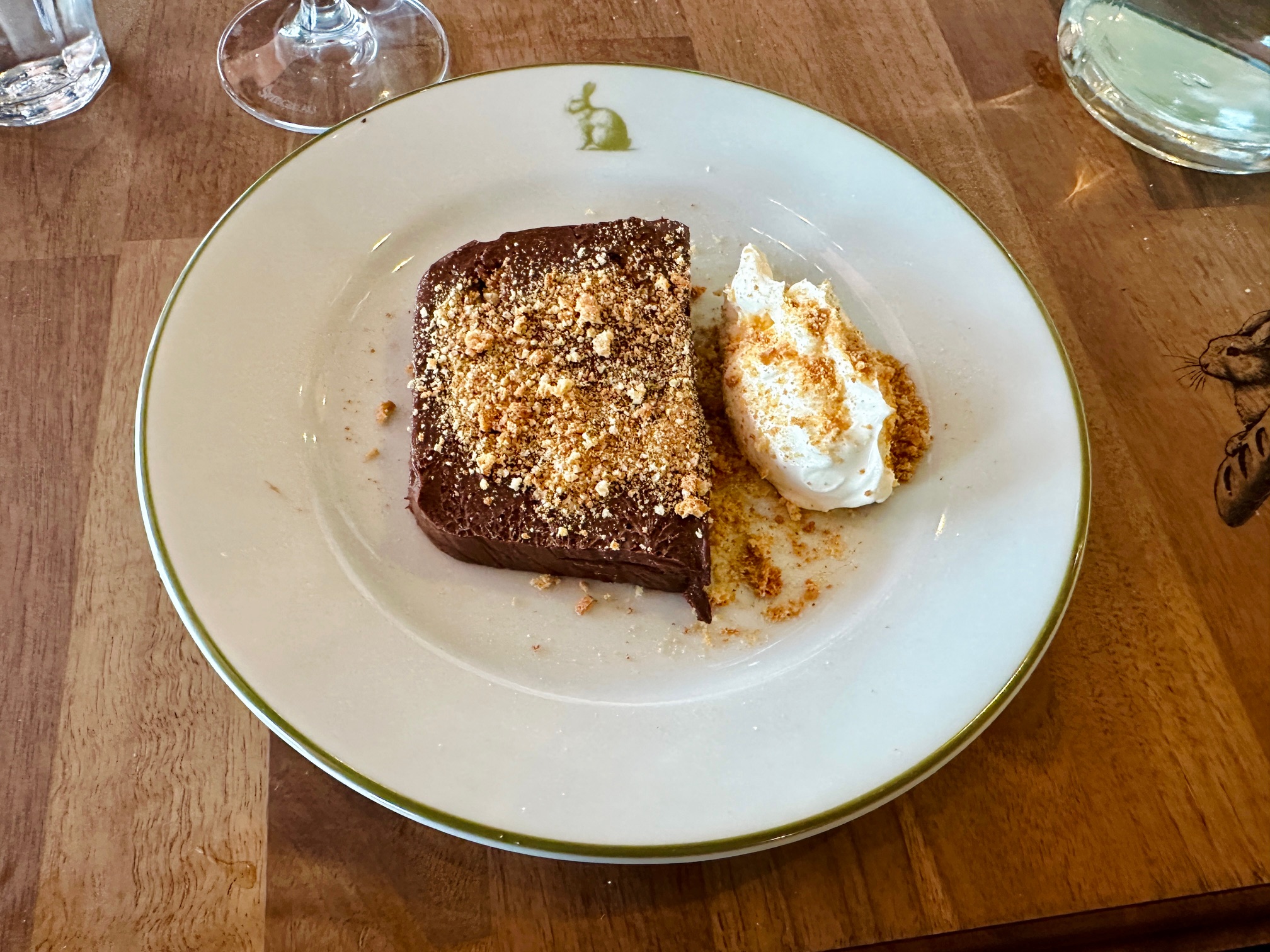

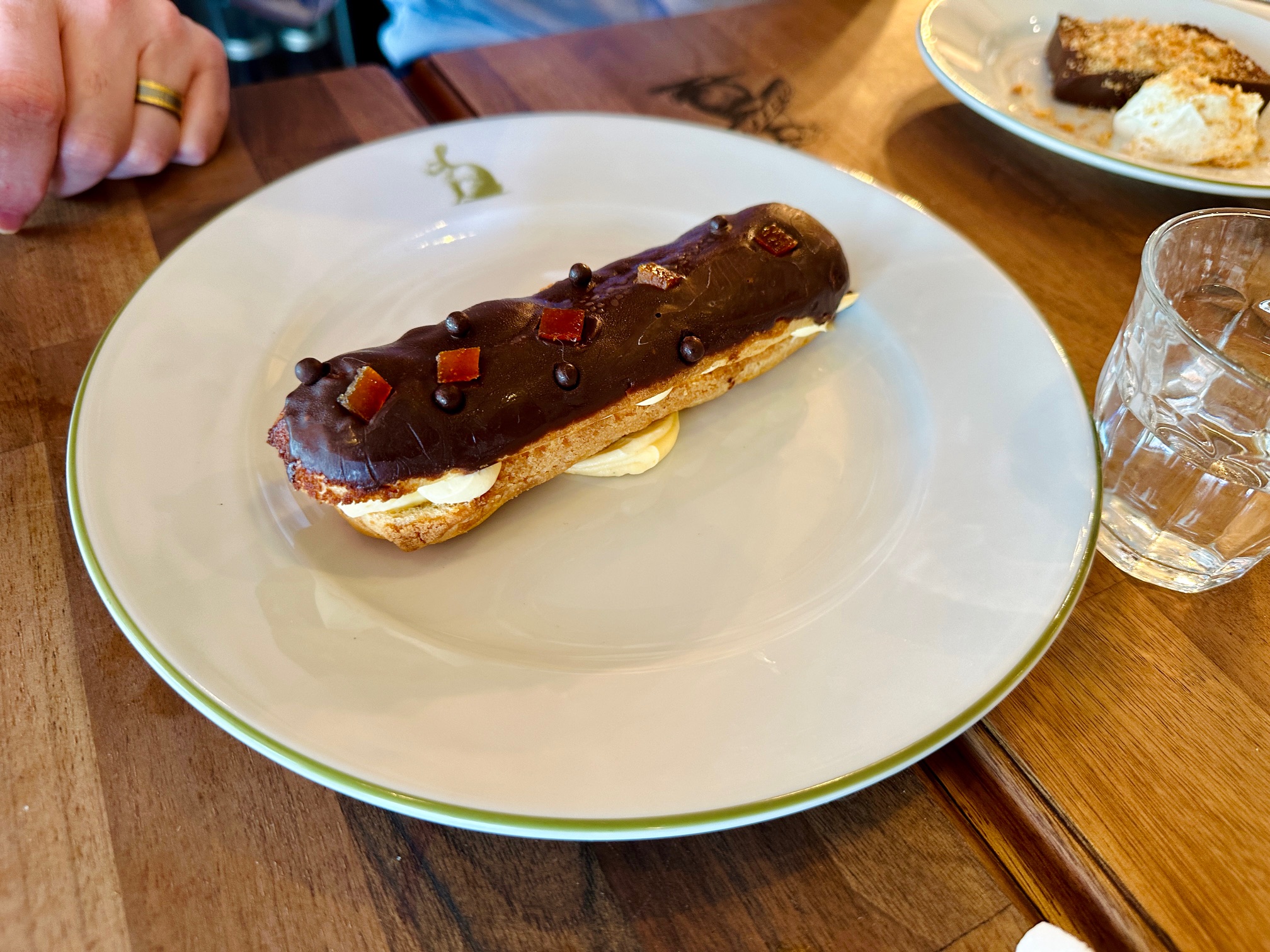

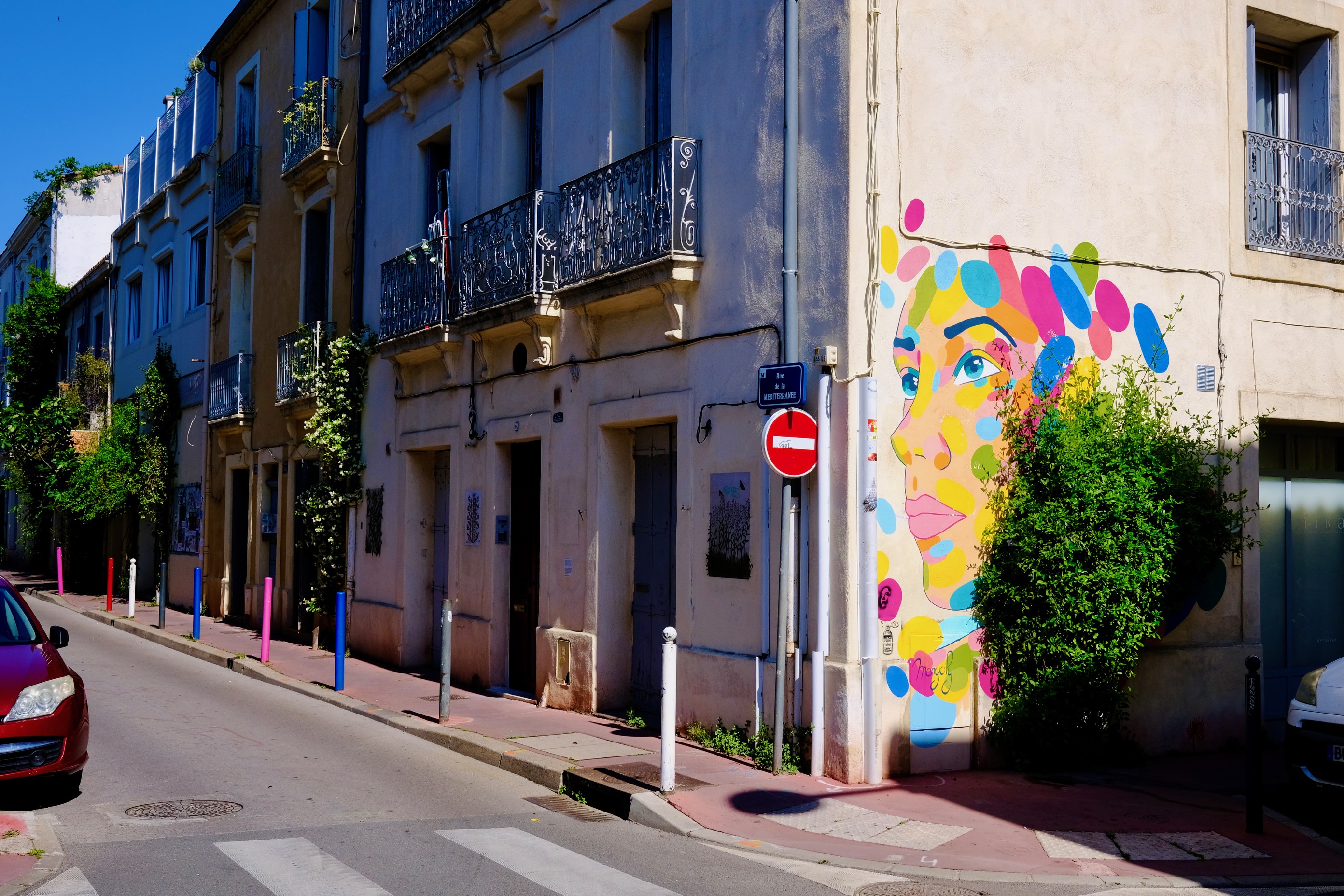
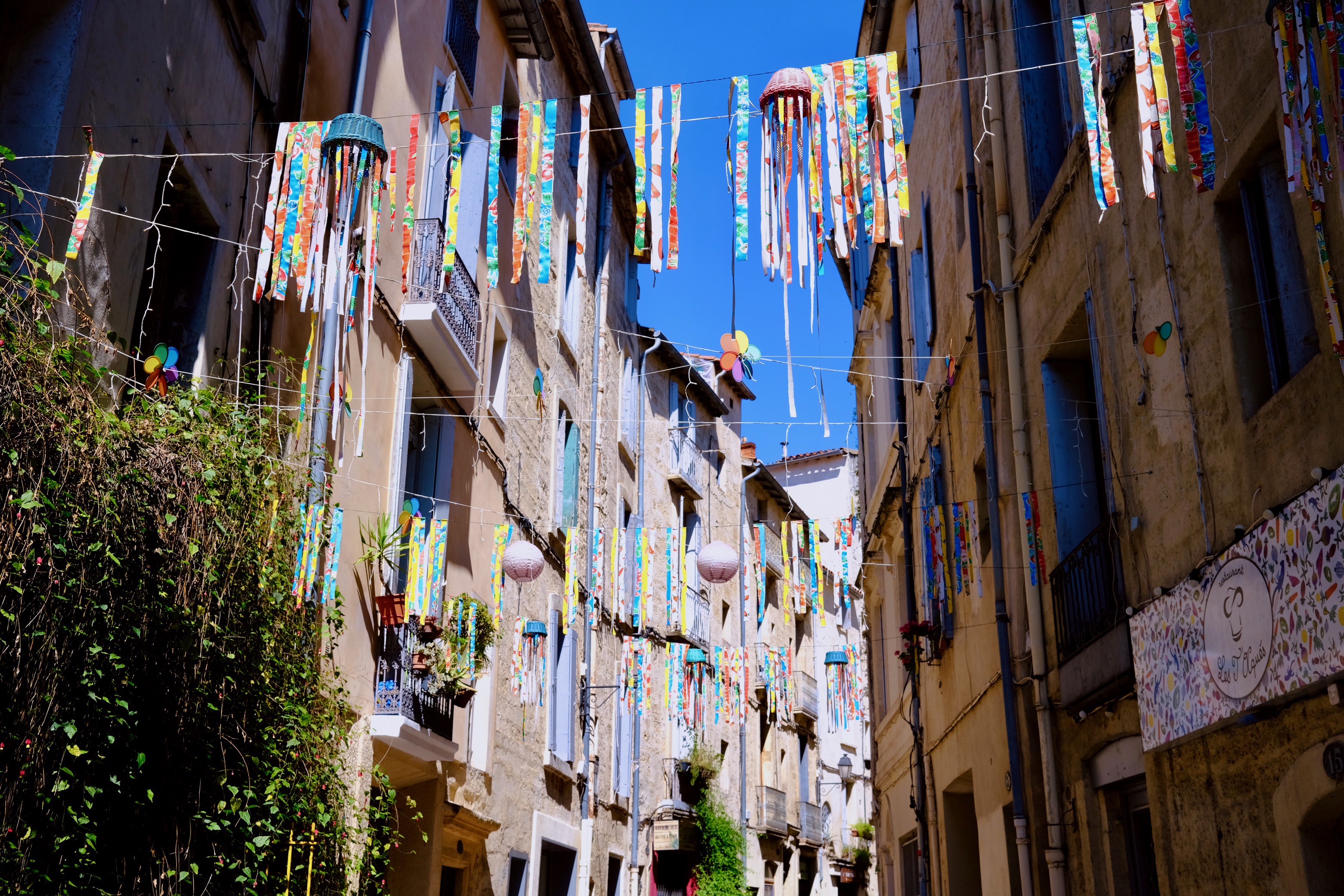


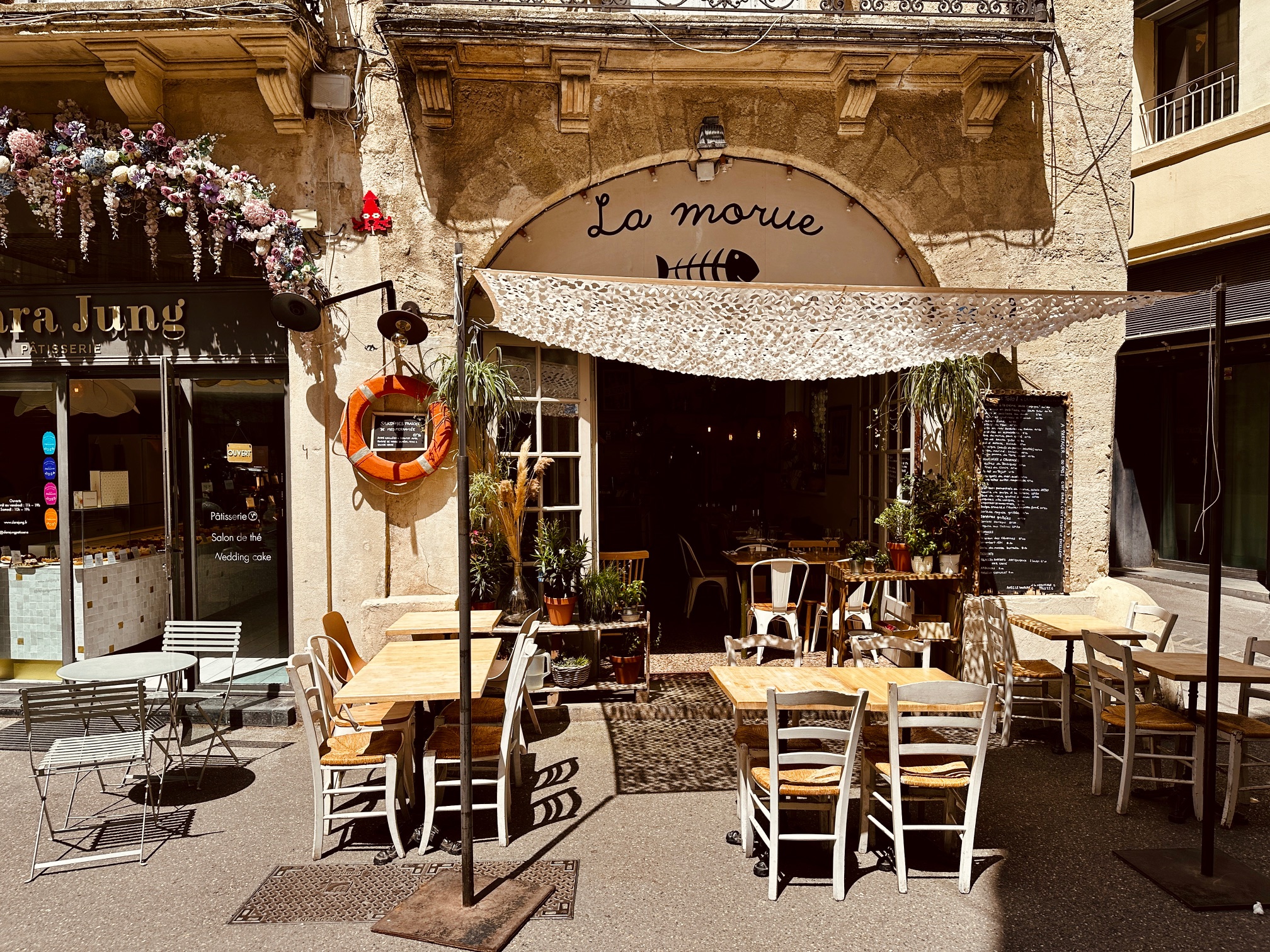

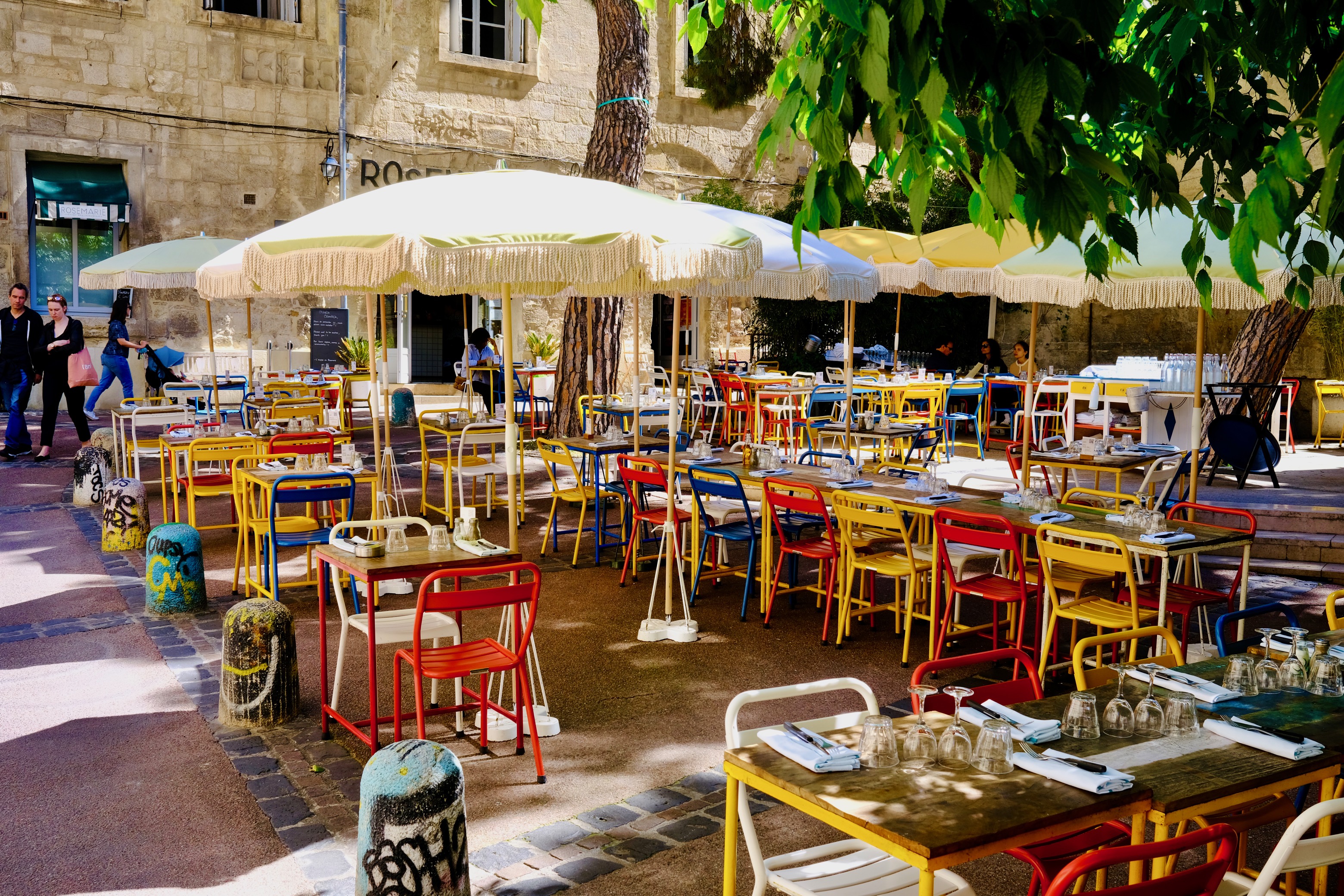


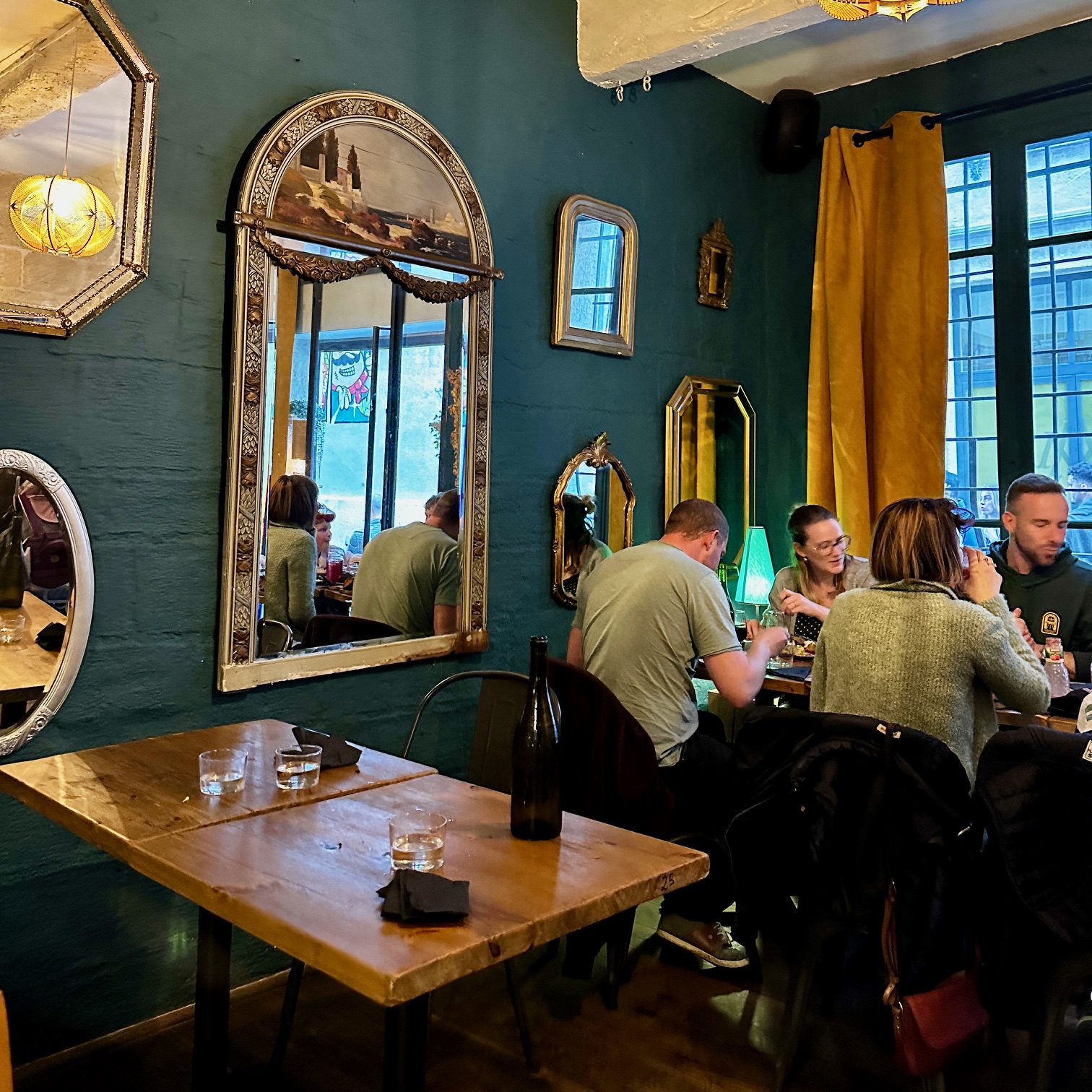


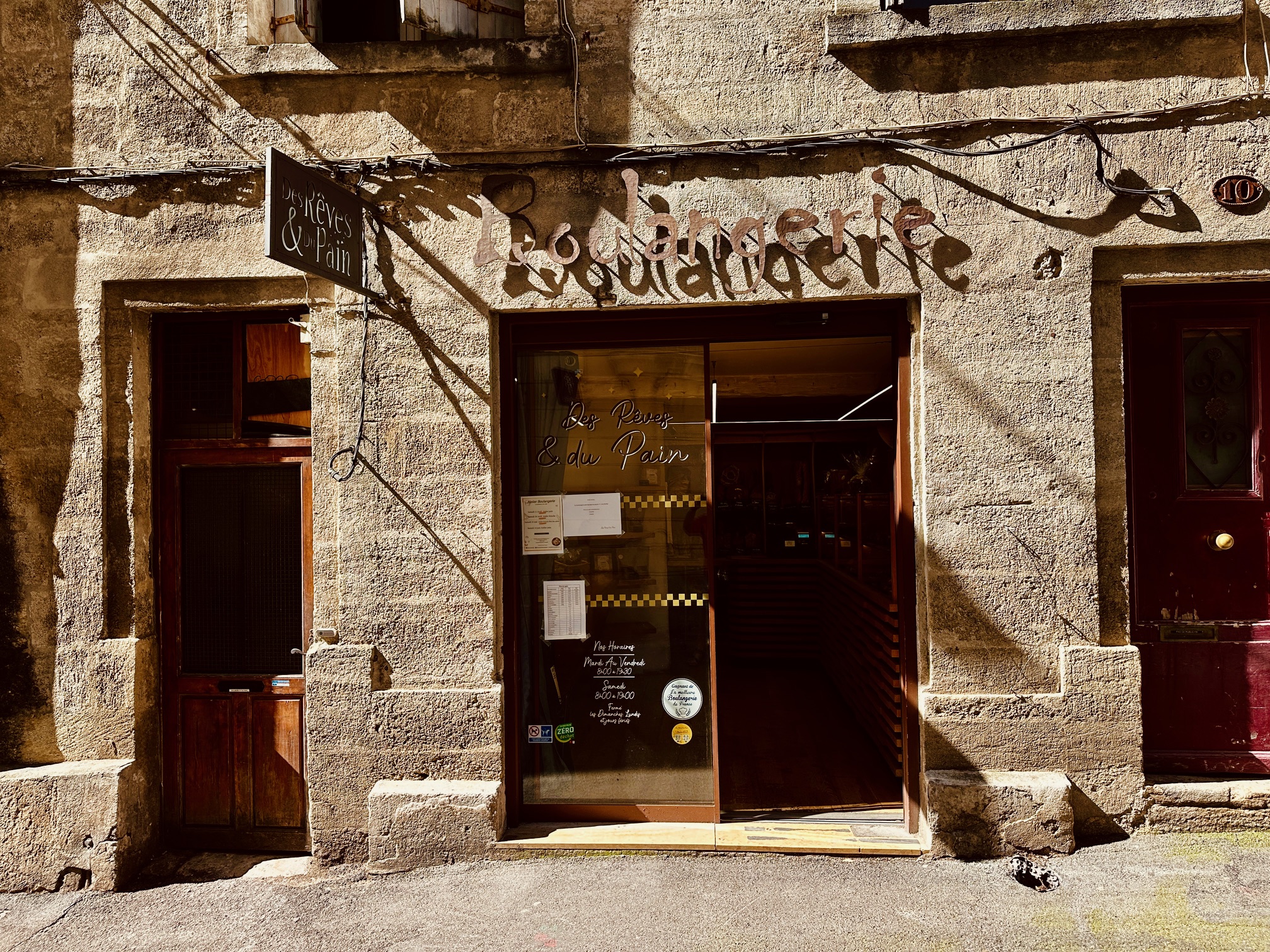


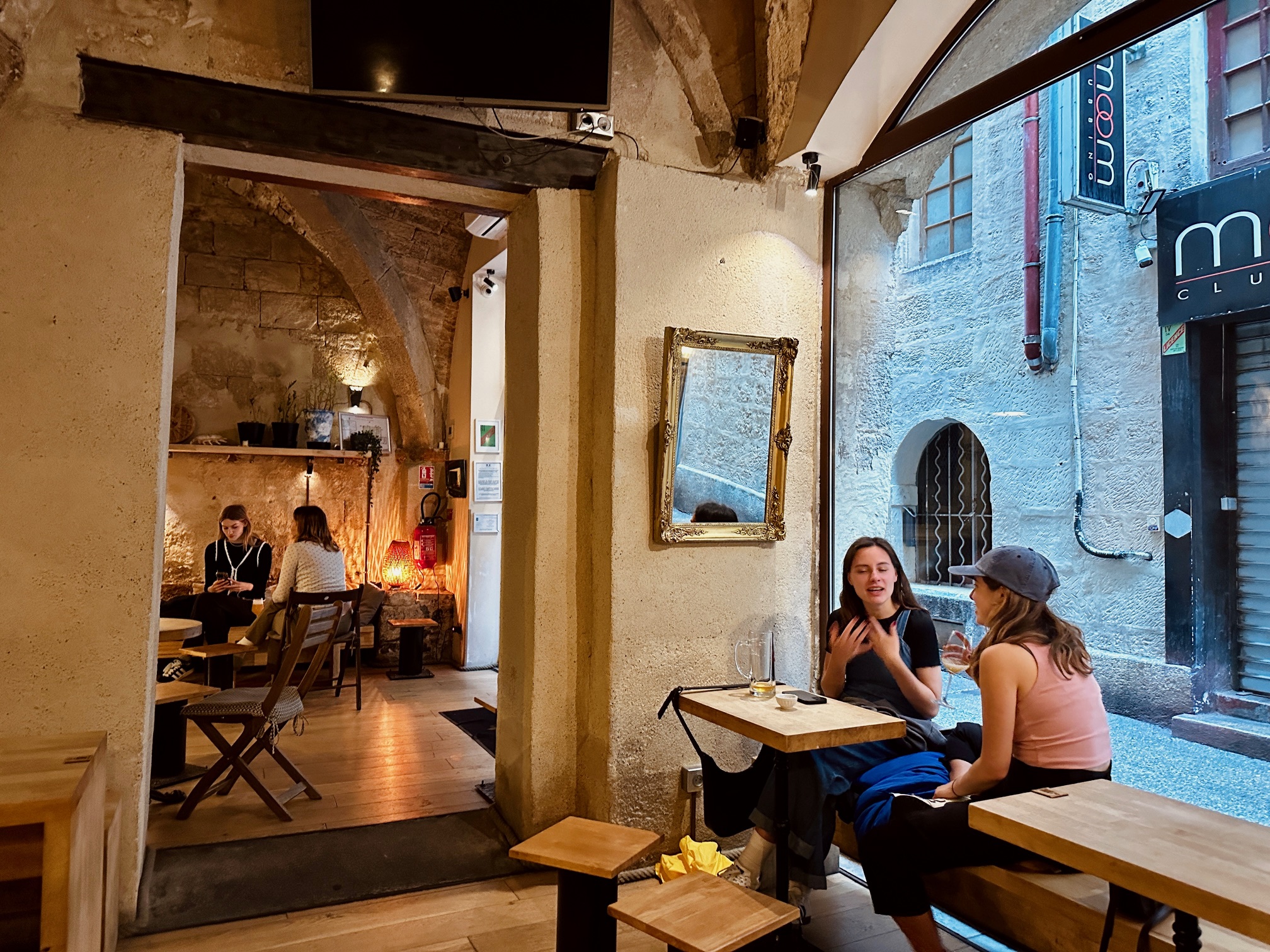

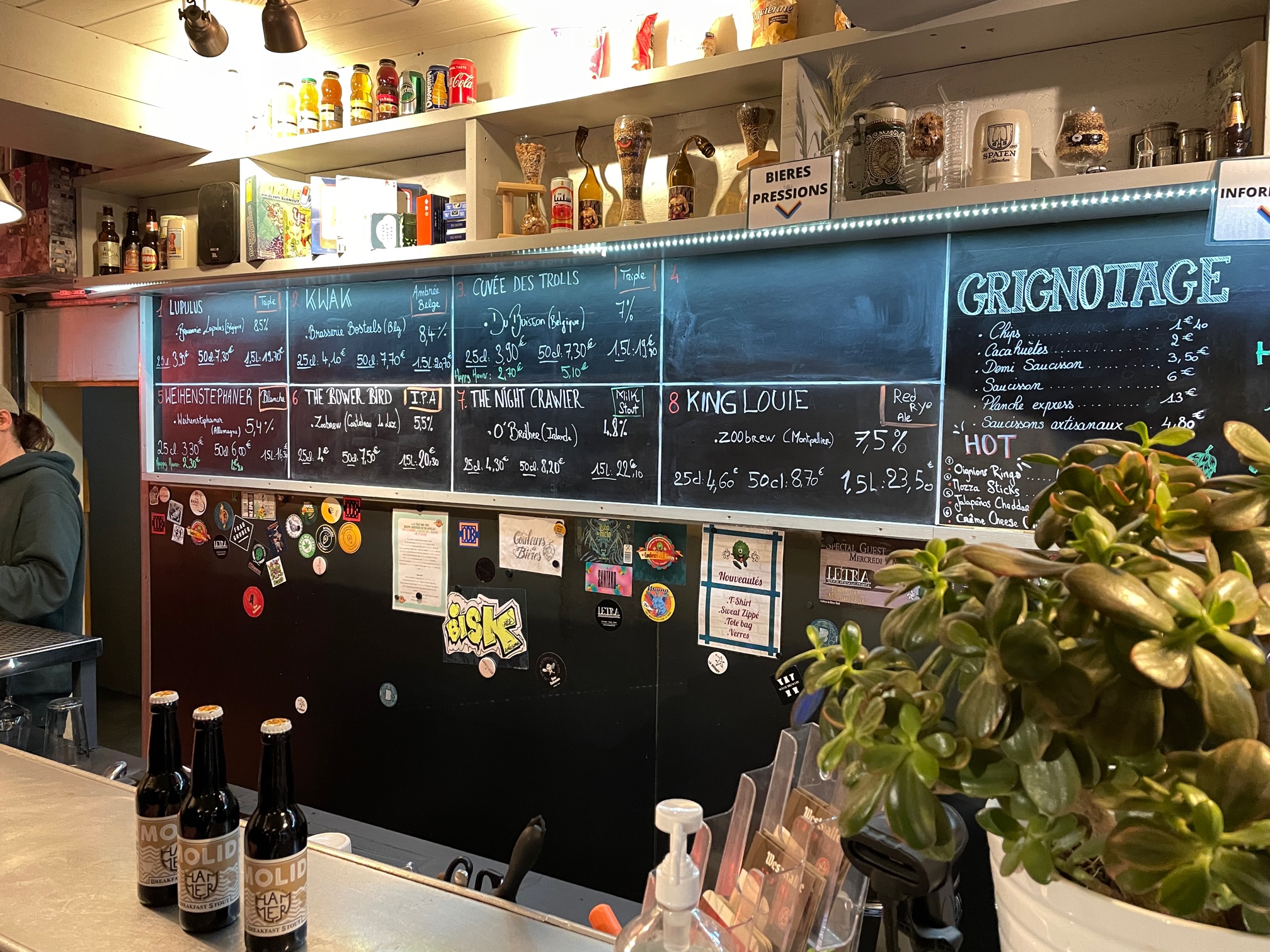
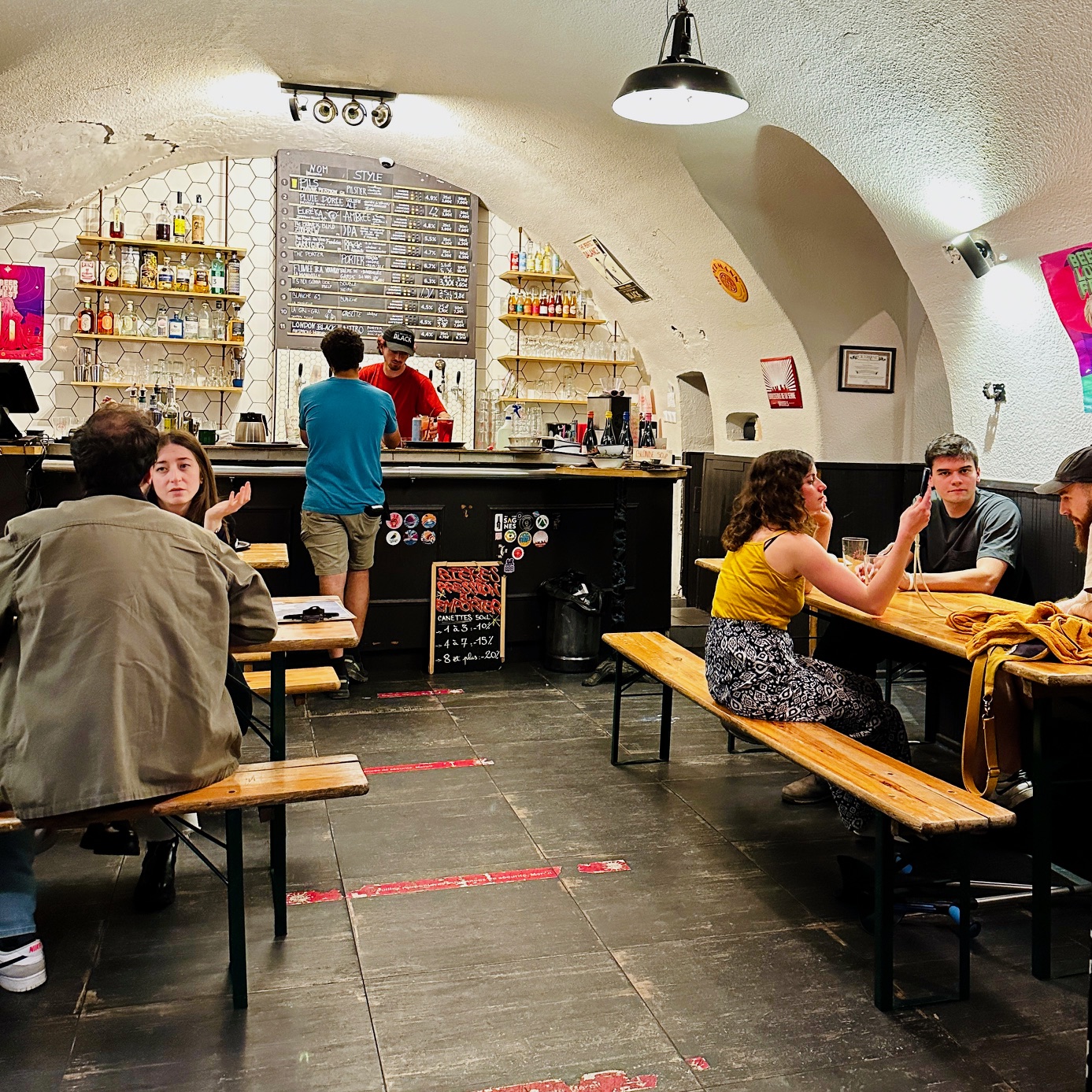
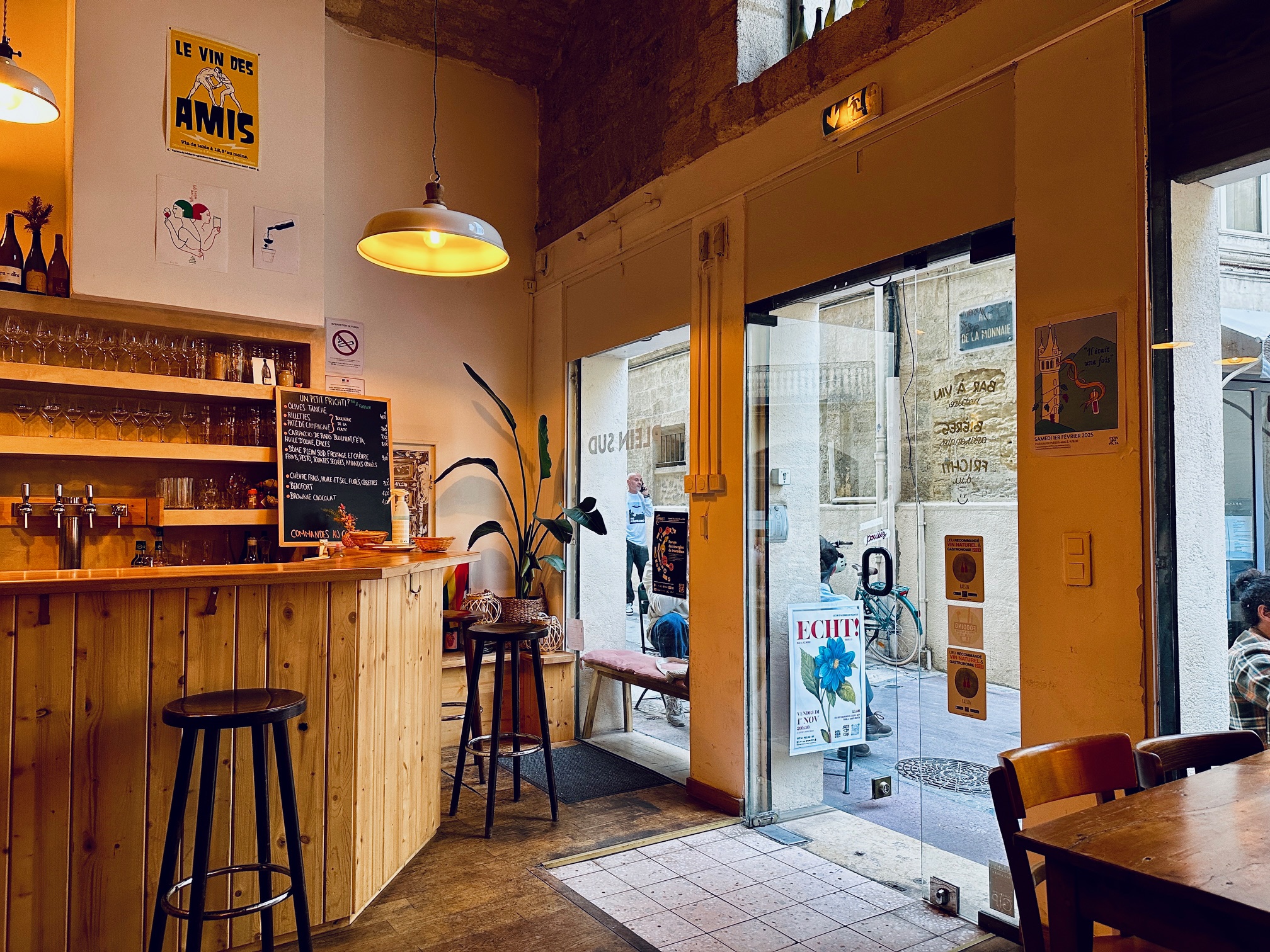
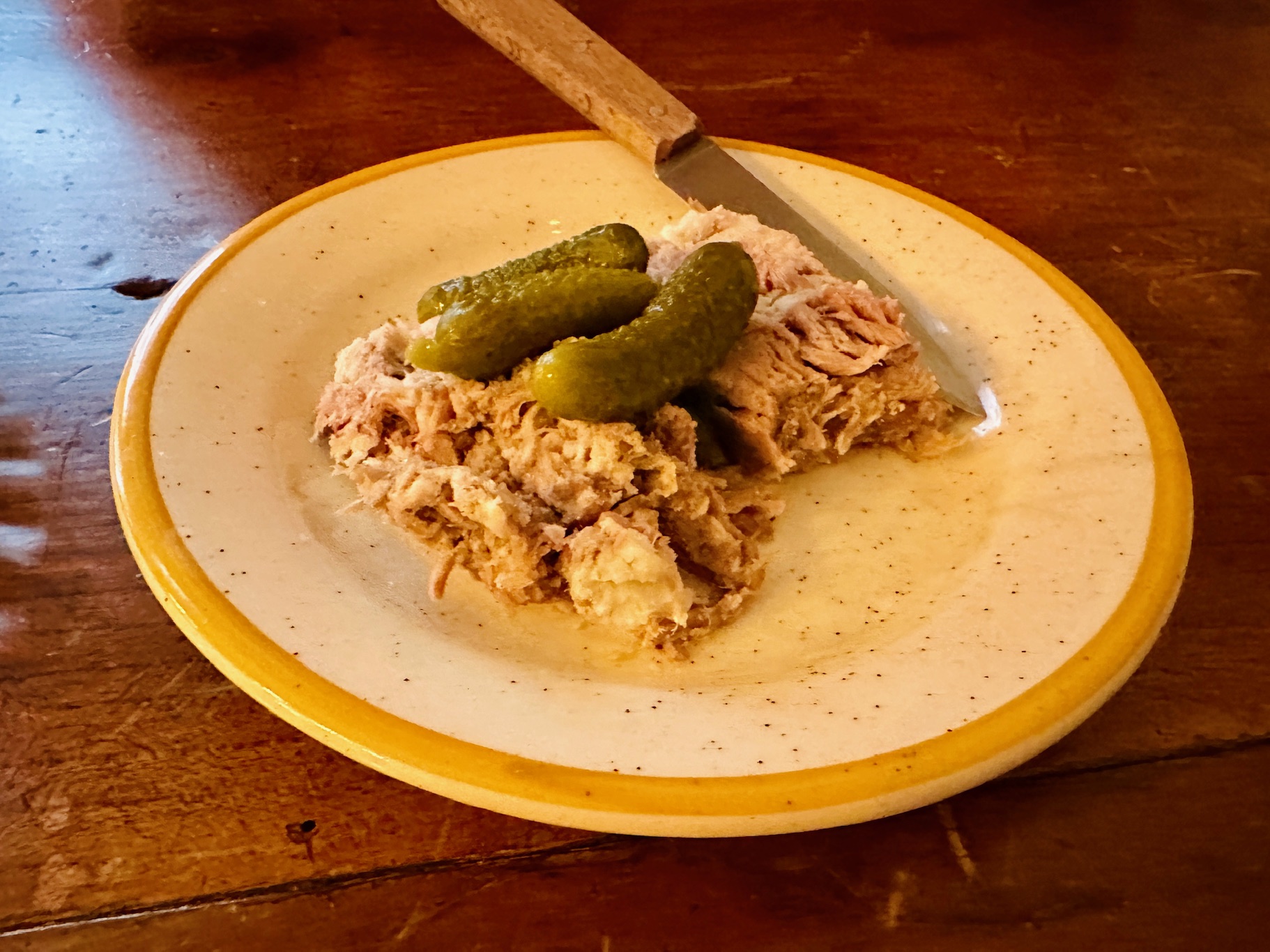
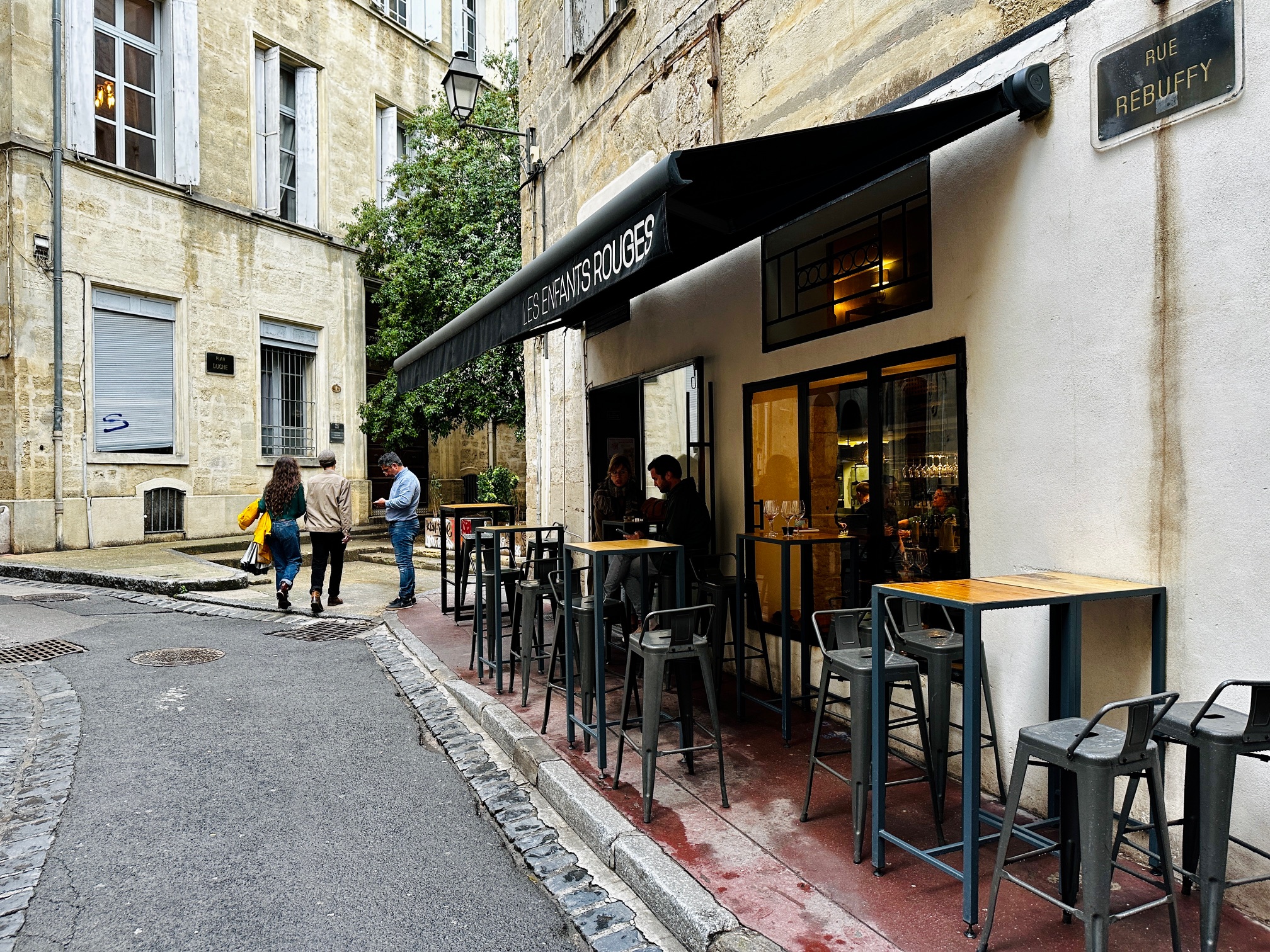

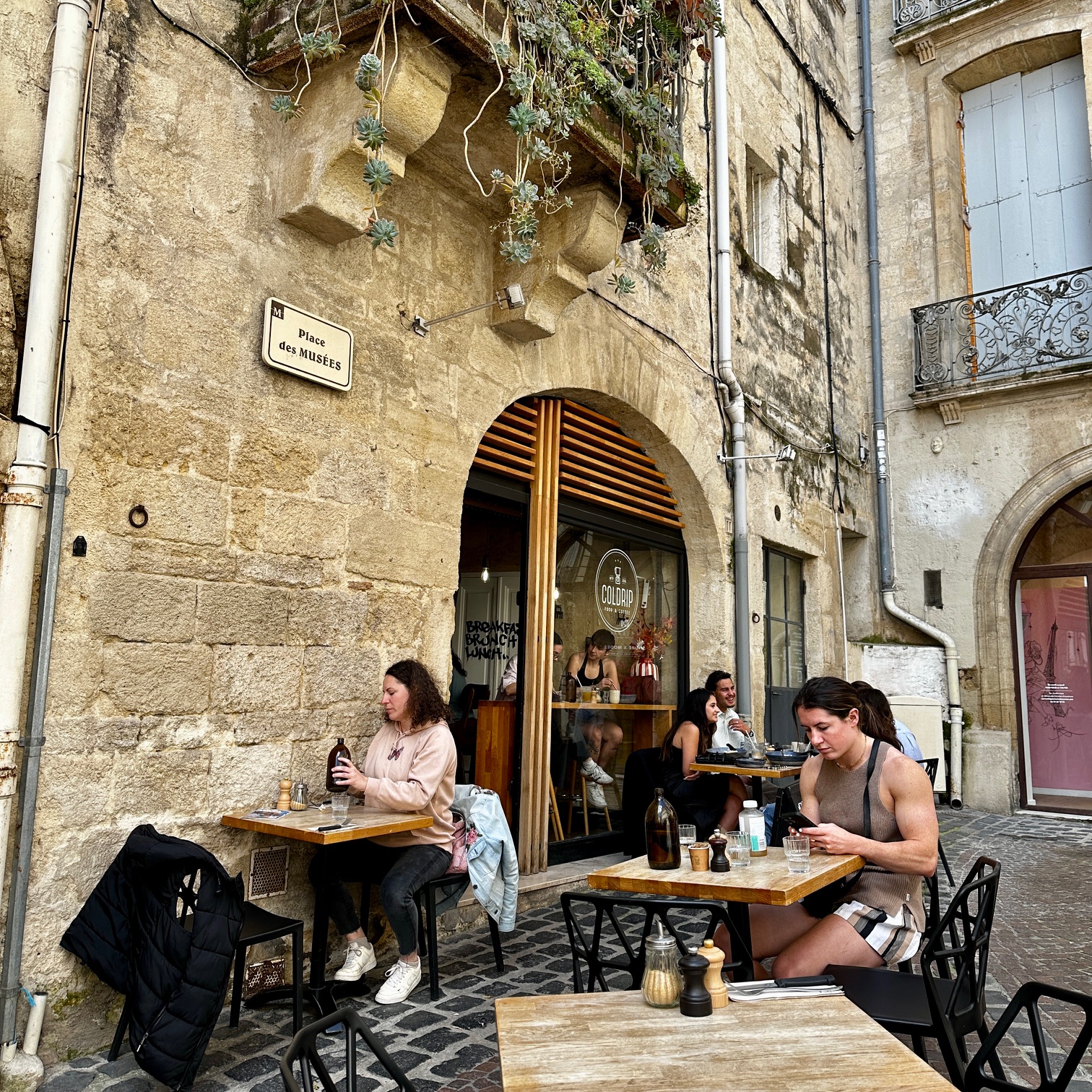
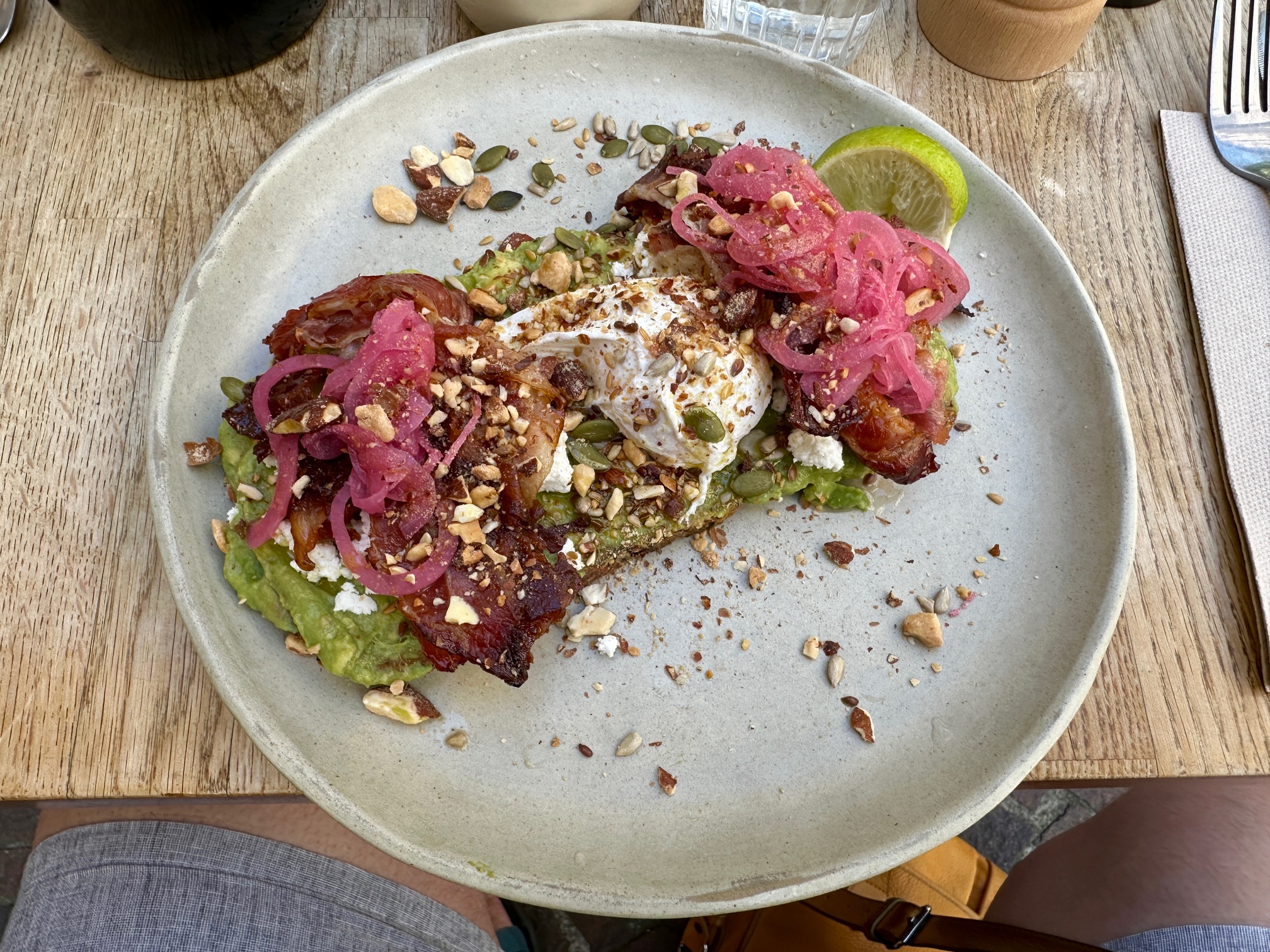


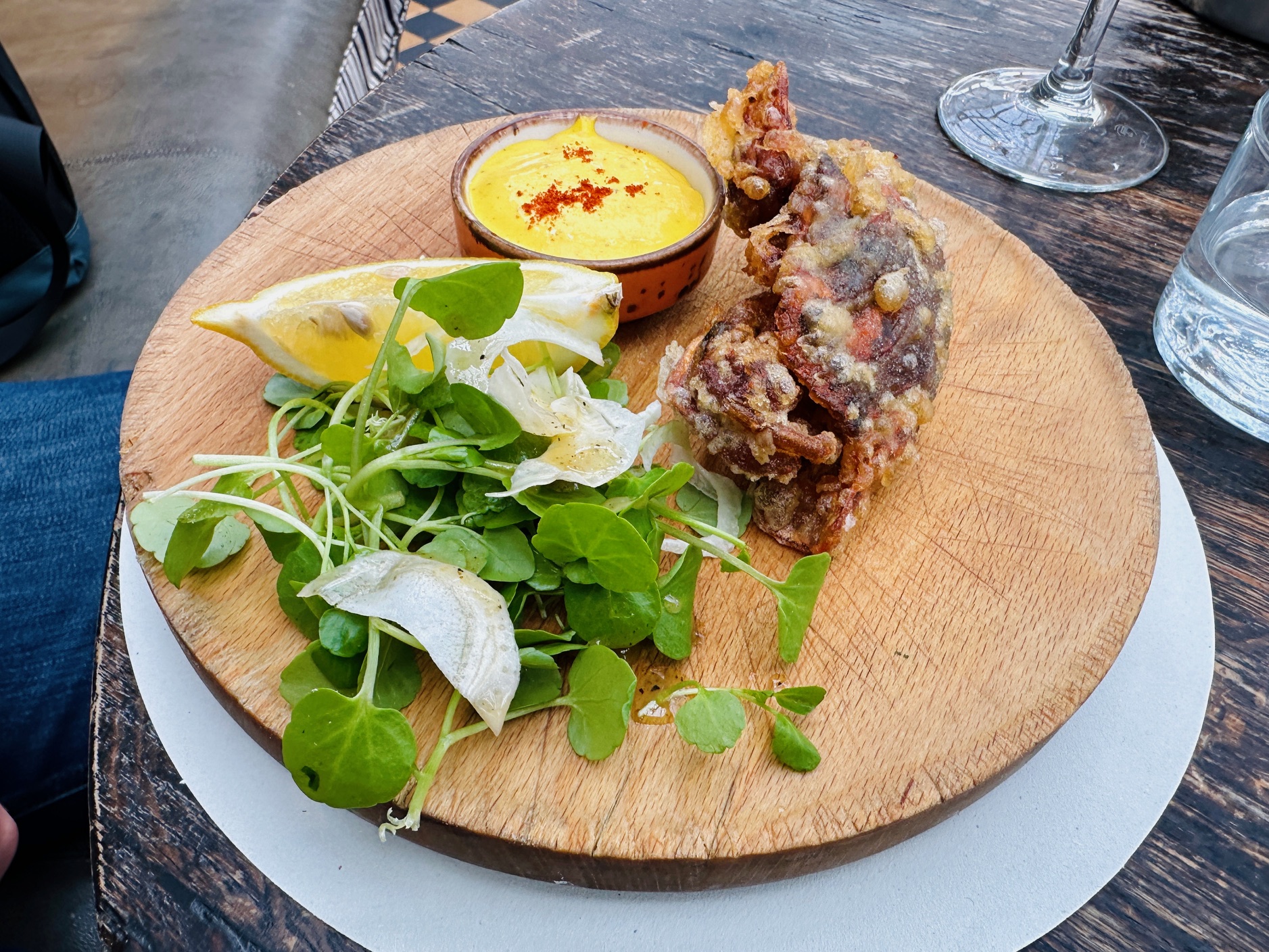
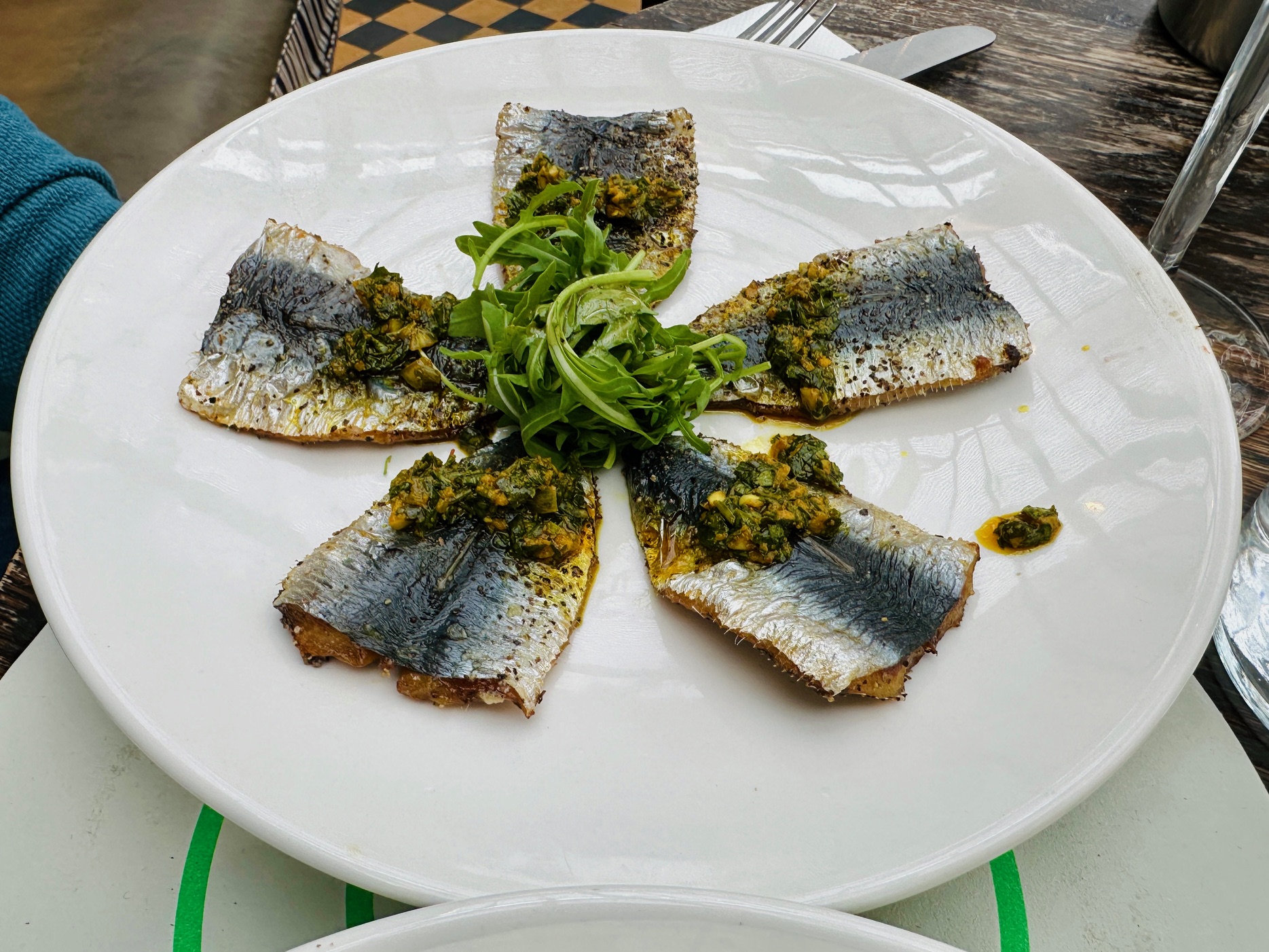
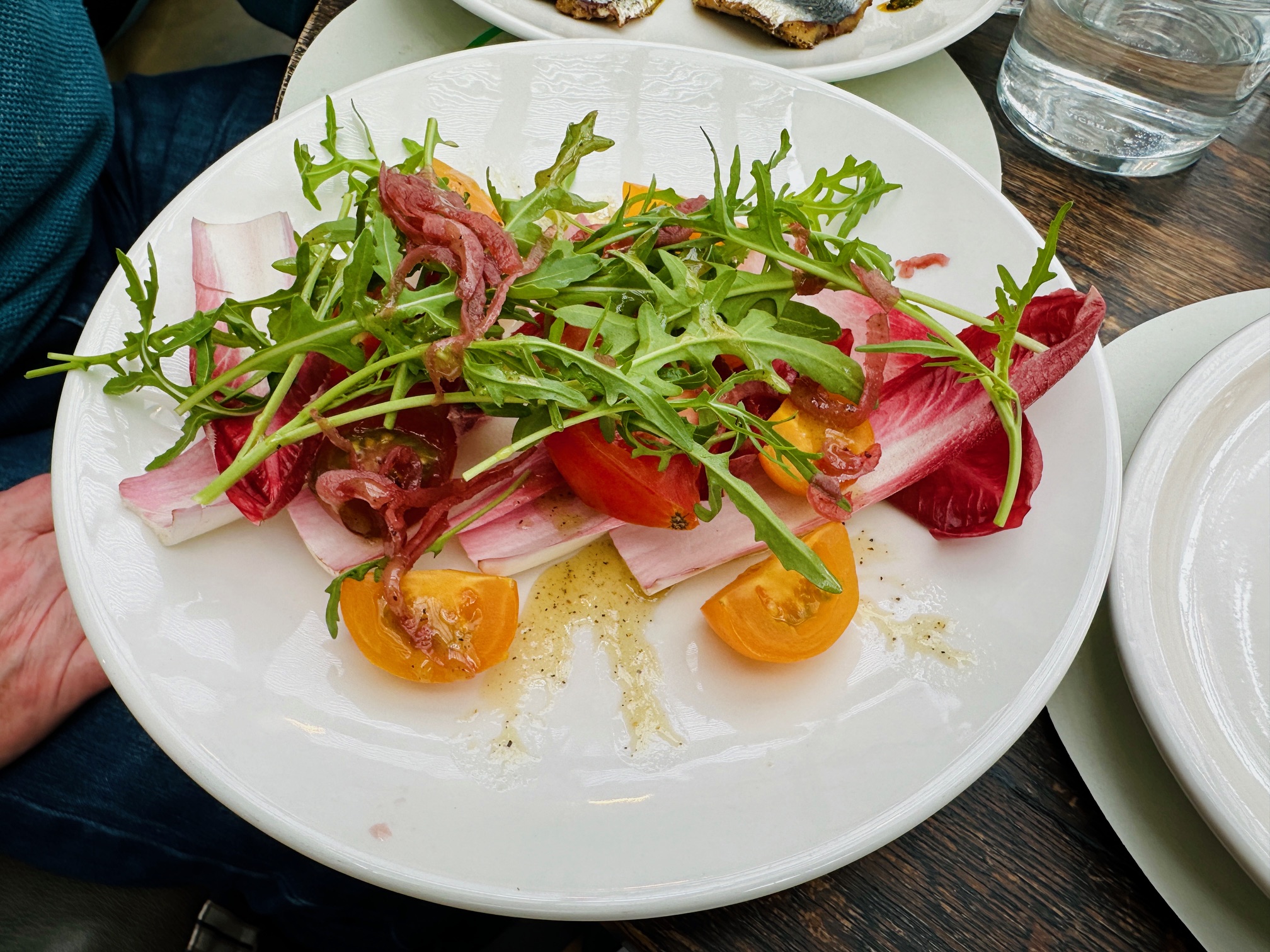


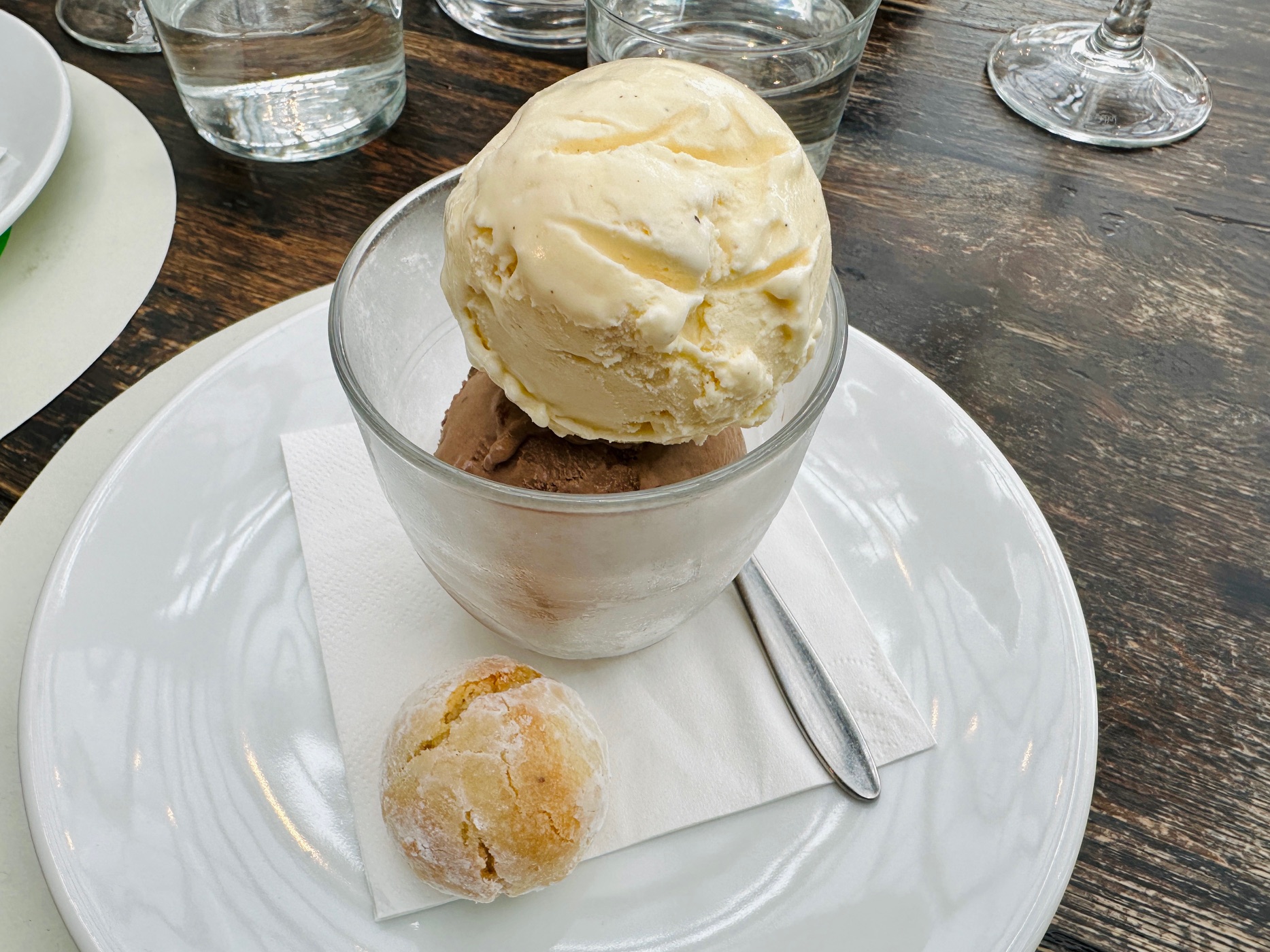


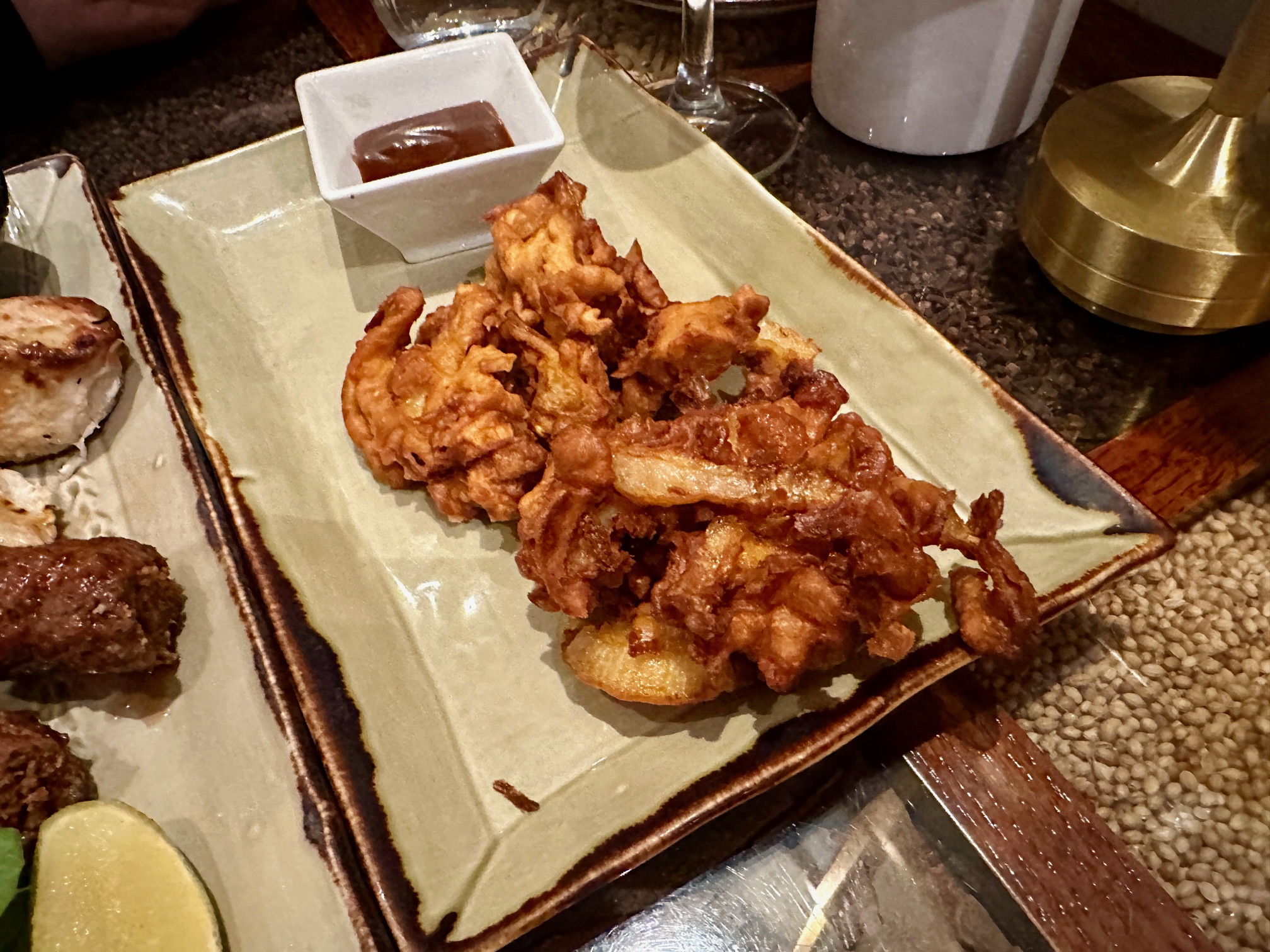
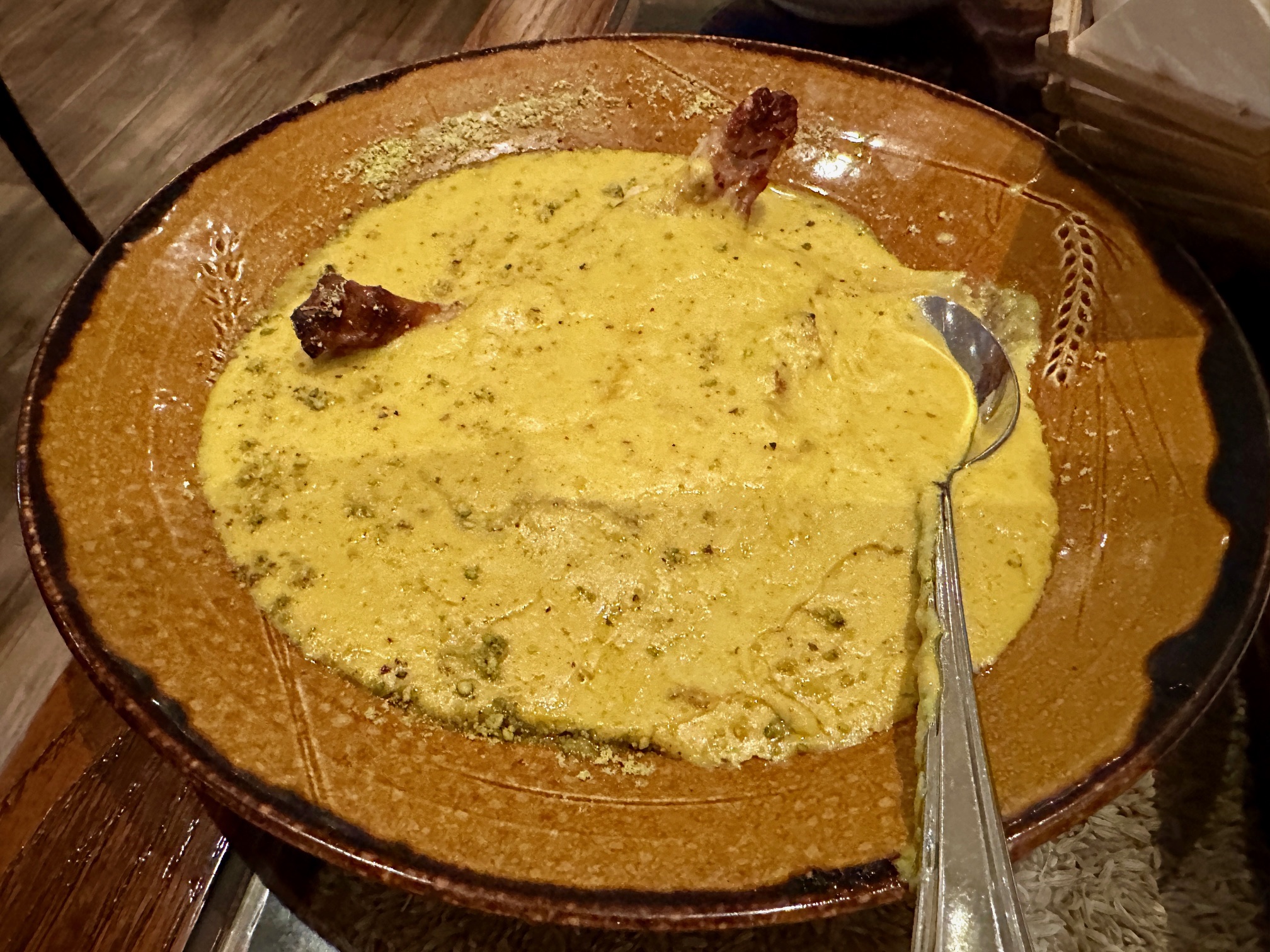

 Edible Reading