Buenasado

My mother taught me this brilliant technique for steak, which she says she picked up from watching Heston Blumenthal on TV. It’s simplicity itself: you let the steak come to room temperature, you oil the steak rather than the pan and you season both sides. Then you get the pan good and hot and you cook the steak for four minutes in total, turning it over every thirty seconds. At the end, you let the steak rest for a little while and Bob’s your uncle: perfectly-done medium-rare steak. I imagine my mother and my stepfather (ever the dream team) cooking the steak together, him with a spatula and her with a stopwatch.

It works without fail, and whenever I cook steak at home my other half Zoë will say, at some point during the meal, “this is so much better, and cheaper, than the Corn Stores.” This is true, if hardly praise of my abilities in the kitchen: the Corn Stores has to be one of the most disappointing restaurant openings of recent years. But also, when she says that, I miss CAU. Poor CAU, which shocked everybody by closing around this time last year because the chain went bust. I didn’t go often, but I always enjoyed my meals there in that funny, purpose-built space, hovering out of nothing at the back of the Oracle.

Sometimes you really do want a steak on an evening out, and since CAU closed I’ve been stumped whenever people ask me where I recommend. The Corn Stores is out of contention, which leaves Miller & Carter, another restaurant I’ve never really warmed to. So I’ve taken to recommending Pepe Sale’s tagliata alla rucola, a beautiful piece of fillet with rocket and balsamic vinegar. But then Buenasado announced it was opening in CAU’s old spot, and I found myself hoping we’d get a decent steak restaurant after all. Research showed they had one other branch, in well-to-do Surrey, and the reviews looked good – even if the menu appeared to be a carbon copy of CAU’s.

Subscribe to continue reading

Become a paid subscriber to get access to the rest of this post and other exclusive content.

Global Café Kitchen

N.B. RISC announced in June 2021 that the Global Café Kitchen would remain closed until 2022 and that when it reopened it would be run by RISC, so this review is defunct. I’ve left it up for posterity.

Reading’s vegetarians and vegans have never been served terribly well. Back in the day there was Café Iguana, which I still miss (my order was usually a Roma toasted sandwich and their delicious, if whiffy, garlic and herb fries). It was scuzzy but lovable, the service was haphazard and the whole thing was distinctly, well, nineties, but I was very sad when it closed. For a long time after that, the only destination for vegetarians was the brilliant and unsung Bhel Puri House, and plenty of people didn’t even know it existed.

It’s only in the last couple of years that things have started to shift. We’ve seen restaurants raise their game: now there are many places with credible meat-free (or plant-based, or whatever you want to call it this month) options. So now we have Pho where most of the menu can be made vegetarian or vegan, Clay’s Hyderabadi Kitchen which has an excellent vegan selection, and Honest which first introduced an excellent vegetarian fritter and then added a trailblazing vegan burger. I keep meaning to do a round-up of the best places for vegetarians in Reading – another gap in the market – and the main thing that delays it is the growing plethora of options.

In parallel, Reading saw two completely meat-free venues open this year. The first, Miami Burger, offered a vegan take on American fast food and closed its doors last week shortly after announcing a deal to sell its products in Morrisons. A cynic could almost believe that the restaurant was always just a shop window to land that kind of contract (a conspiracy theory hardly helped by Miami Burger rewriting history to describe the Reading restaurant as a “test kitchen”).

Either way I never visited Miami Burger – known to some as “Brexit Burger” because of the political views of its owner, a man who left the Tories for UKIP and once pondered on his blog whether the unemployed should have their votes taken away – and I’m not convinced I’ve missed much. Besides, for five pounds you can get one of Bhel Puri’s amazing vada pav, and that’s more than enough veggie burger for me.

The second meat-free restaurant is a more interesting proposition. Global Café for many years was home to Tutu’s Ethiopian Kitchen, a much-celebrated Reading establishment which left me baffled when I visited it on duty many years ago. Tutu left this year to take over a site in Palmer Park which used to belong to the Chalkboard Café, and as a result Global Café has taken on a new chef and is offering a regularly changing vegetarian and vegan menu under the moniker Global Café Kitchen.

I was having a drink at Global Café with my mother and my stepfather the fateful night we went to review Lemoni, and looking at their menu I was very tempted to change our plans and eat there instead. It was small (four or five main courses and a couple of starters) and reasonably priced (mains were around a tenner). But most crucially, it all looked worth eating: from a tempura mushroom burger to a vegetarian rendang, from Sri Lankan dahl to a halloumi and tabbouleh salad, I could happily have ordered practically anything on the menu. I wasn’t alone, either; my mother in particular would much rather have eaten at Global Café than Lemoni, so much so that we agreed to come back the following week and give it a whirl, with my stepfather in tow.

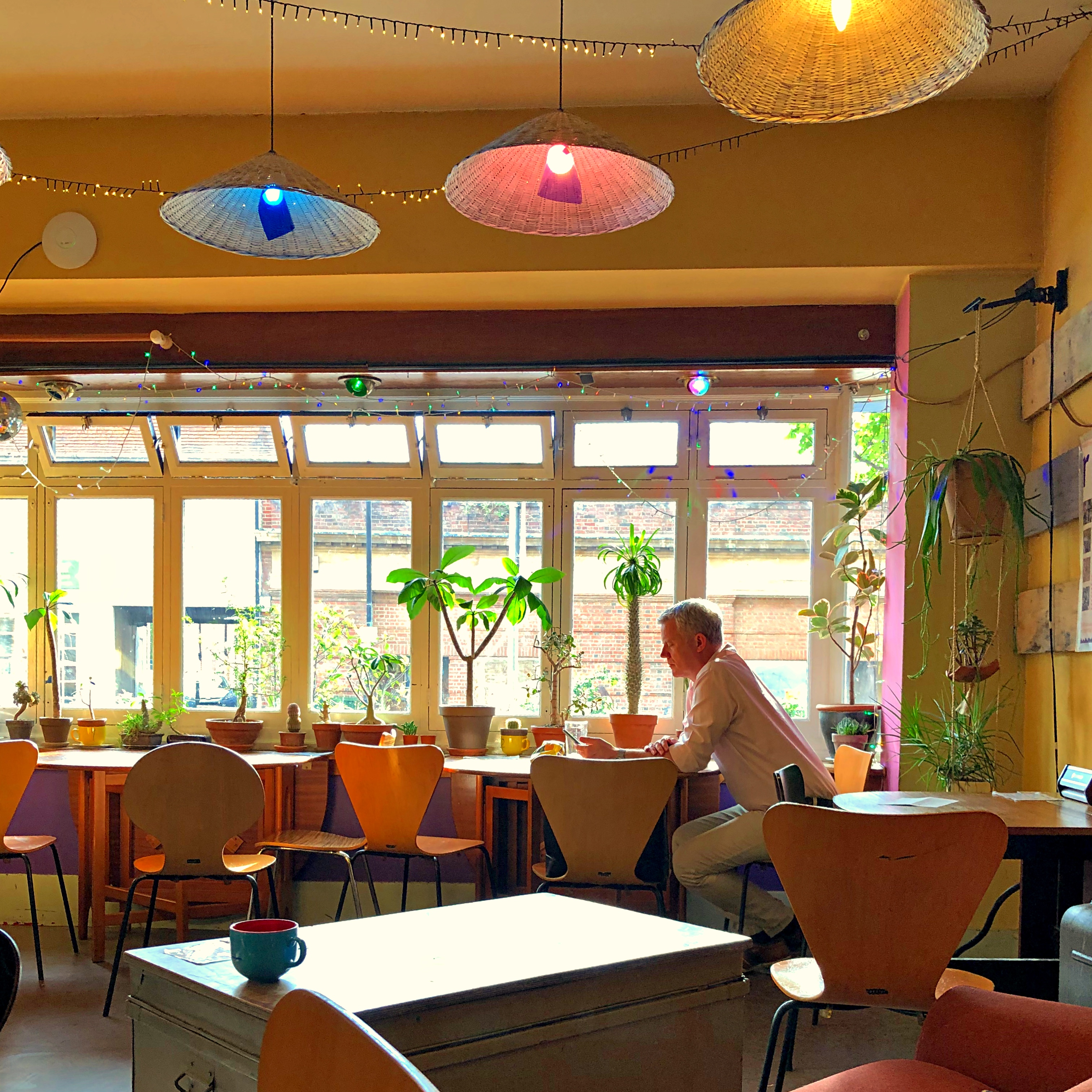
The Global Café hasn’t changed in many years, and I suspect you either think it’s one of the last great Reading institutions or an anachronism you haven’t felt the need to visit for a very long time. I veer more towards the former – even though it’s a tad on the scruffy side I’ve always had a soft spot for it. The area at the front, near the bar, gets lots of light from the lovely big windows and if all the tables and chairs don’t match and don’t seem to be designed for eating at or drinking at, it doesn’t necessarily matter. Nor does it matter that there’s a sofa randomly plonked there, with a big metal trunk serving as a table. It’s Global Café: that’s just how it is.

My stepfather found the long trip downstairs to the loos genuinely alarming (“it smells of damp down there”) and was a bit baffled by the different-coloured lights in the wicker lightshades (“you’d think they’d be LED bulbs, wouldn’t you?”) but I wouldn’t describe him as the target market for this kind of place. He was more impressed with the selection of local beers, as was I, but because it was a school night the three of us opted for an alcohol-free Erdinger Blue apiece while we decided what to order. It’s my top tip for anyone who likes the taste of beer and wants to cut down on their alcohol intake – and it cost less than £3 a bottle, considerably cheaper than the crazy prices charged at some of Reading’s pubs.

There were only a handful of starters, but all the mains from our previous visit were still on the menu, along with a couple of specials – a spiced potato and cheese “Bombay burger” and what was described as a “Banana Blossom burger”.

“What’s the banana blossom burger?” I asked the dreadlocked chap behind the bar (no table service, so that’s where you place your order).

“It’s not made from banana, it’s another part of the banana tree. It sort of has the same texture as chicken.”

“Sounds interesting.”

“They’re changing the menu all the time. I’m not even a vegetarian, but I really like the food here.”

“How long have you been running the new menu?”

“About three months, we’re still getting used to it really.”

I wasn’t sure whether this exchange inspired confidence or eroded it – but I liked his honesty and I liked the sound of the banana blossom burger, so I changed my mind about what to eat and ordered it instead.

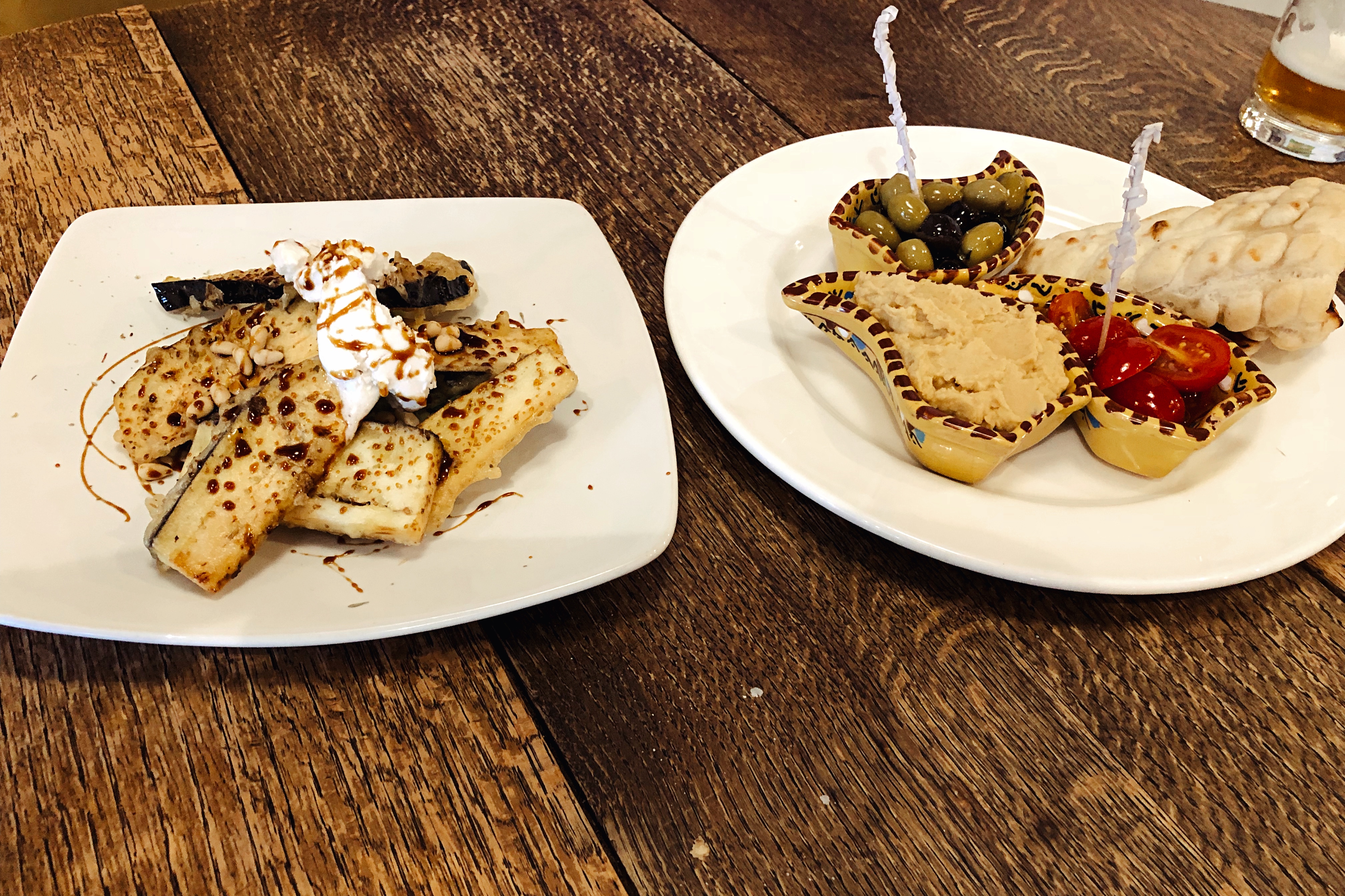
Our starters arrived reasonably quickly, brought I think by the chef. The menu had three, one of which was soup, so we ordered the other two planning to share them. The best of them was the crispy fried aubergine, cooked with a beautifully light touch and free of all the stodge and mulch I associate with aubergine done badly.

This stuff was better than versions I’ve had of the same dish, berenjanas con miel, in Andalusia and the little tweaks to make the dish vegan only added to the appeal: vegan labneh had a very pleasing touch of coconut, and the miel de cana (vegan honey) was hard to distinguish from any other kind of honey. We all ever so politely made sure we had our fair share before nicely bargaining over the final piece. A really good dish, although at six pounds it felt like it should have been a bigger portion. “I could have eaten one of those on my own” said my mother, echoing my feelings. Still, I guess that’s what happens when you share two starters between three: if you go, order your own.

The other starter was a very different kettle of quinoa. Flatbread with marinated tomatoes, olives and dip sounds like just the thing to graze on while you wait for your food to arrive, but this was a lukewarm warm-up act. The tomatoes – cherry tomatoes halved – were pleasant enough, and the olives, small and pitted, were the kind of thing you could get in any supermarket.

The houmous, though, was worse than anything you could get in a supermarket – I’ve no doubt they made it themselves, but it had no lightness, no evidence of olive oil or garlic or tahini. Calling it a dip was optimistic because it didn’t have the texture for dipping: you’d have had more luck using it to cement a wall. We did our best to scoop it on to the heavy, unremarkable flatbread.

This rogue’s gallery came to four pounds – for the same money you could have a much bigger bowl of the best houmous in Reading just up the road at Bakery House, and they’d throw in piping hot, fresh-from-the-oven pitta bread into the bargain. It felt like the restaurant had bought those little, weird-shaped dishes, and then struggled to decide what to serve in them. The answer, I think, is Not this.

The themes of the starters – glimmers of talent, inconsistency and slightly sharp pricing – followed through to the main courses (which arrived pretty quickly), although these were generally far better. My mother’s choice, the parippu – Sri Lankan dahl – was earthy and creamy with a nicely gradual heat. Her verdict was that it was “a bit monotonous” – although I suspect that, texturally at least, that’s always the way with dahl. The toasted coconut on top helped, but it needed something like toasted seeds for texture and what it really needed was plenty of fresh coriander. The rice was somewhat clumpy – brown rice might have been better – and the flatbread wasn’t required: there wasn’t enough of the dish to be able to use it. If that all sounds like faint praise, it shouldn’t entirely – I enjoyed it, but even at eight pounds it felt like it could have been a little bigger and better.

My stepfather had chosen the rendang – in this case a chickpea curry with aubergines and courgettes. I’m used to rendang being made with long-cooked, sticky strands of beef and having an intensely savoury taste. This dish didn’t have any of that, feeling more like a massaman or a Thai curry with as much sweetness as heat, if not more. Again, I liked it, and again I felt that it was a little keenly priced: eleven pounds for this one. My stepfather seemed to enjoy it, too, and polished it off in short order.

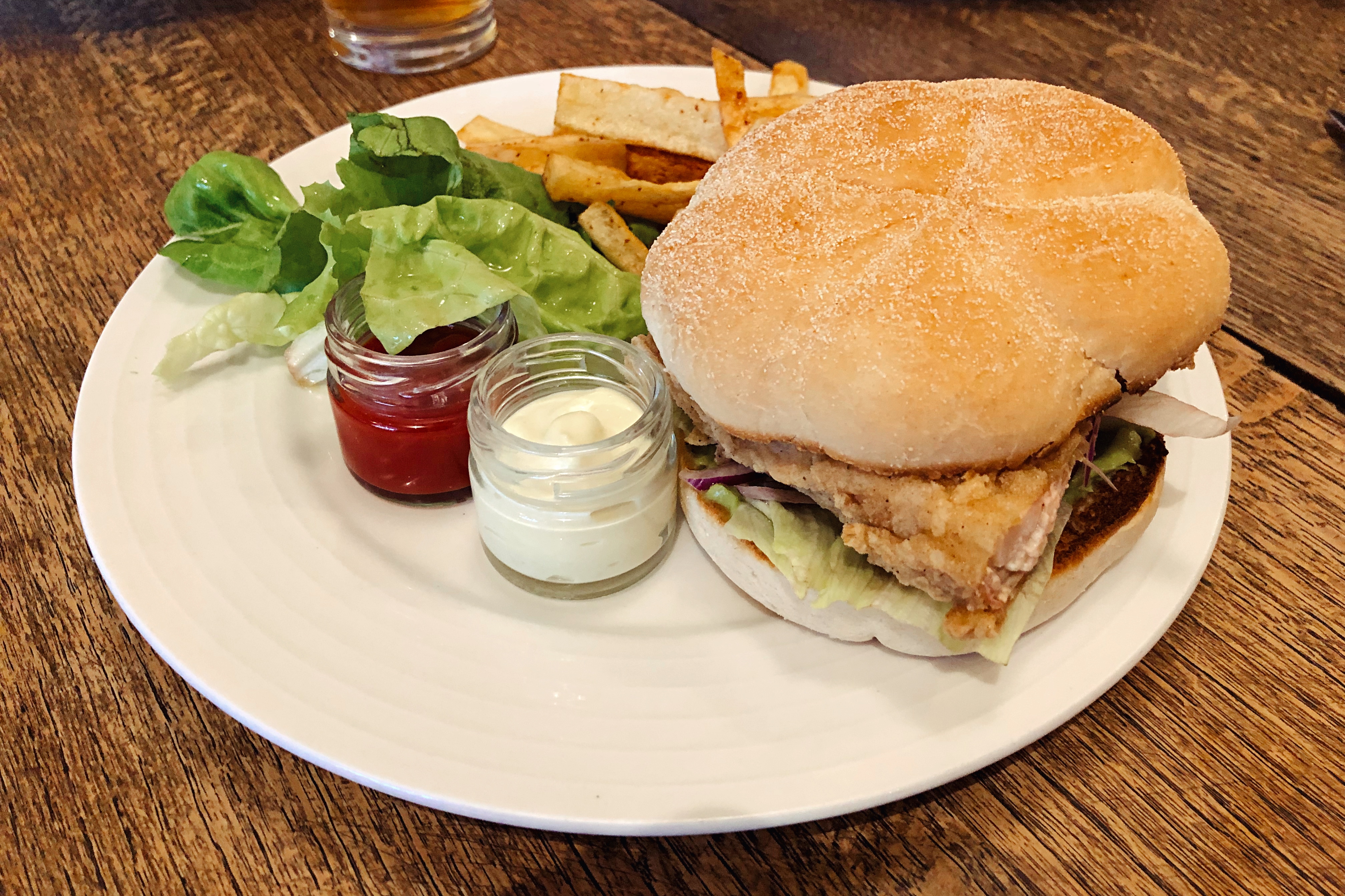
This brings us to the appropriately alliterative banana blossom burger, which I’m delighted to say was an eye opener. It didn’t have the texture of chicken, after all that: it reminded me more of artichoke hearts, and you got a couple of pieces rather than a single patty. But the coating around the banana blossom was very good – salty and savoury, reminiscent of shame-free KFC. The bun was strong enough to stand up to everything in it (so unlike, say, Honest’s buns which always seem to go soggy at the bottom) and the ripe avocado and mango mayo in it finished it off nicely.

This was a revelation to me, and I hope Global Café Kitchen moves it off the specials menu so more people can try it. A chap at the table next to me ordered it and when it arrived at his table I butted in to enthuse to him about how much I’d liked it. “It’s a bit like KFC!” I said, to which he mournfully replied “I’ve never had KFC” (I asked him his verdict as we were leaving: he thought it was too salty, so Christ knows what the poor guy would actually make of KFC).

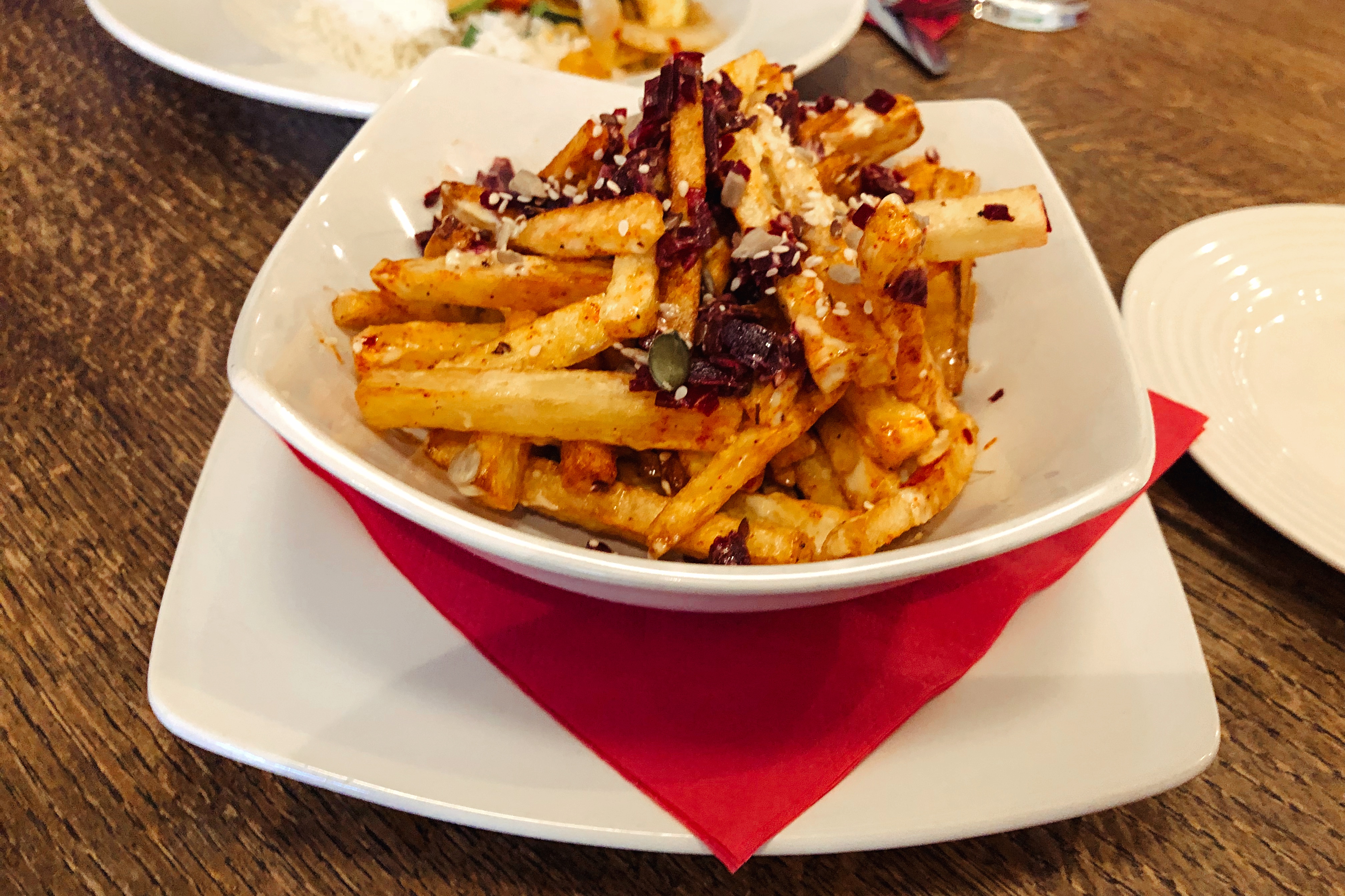
Also, I really liked Global Café Kitchen’s fries – clearly hand-cut and prepared on the premises – and the sweet tomato sauce and (presumably) vegan mayo they came with were both tasty, too. My stepfather had some “dirty fries” although it wasn’t clear what made them so sinful or indulgent: the “beetroot aioli” mainly seemed to be finely diced beetroot and the sesame seeds felt a bit unnecessary. They were still very good, though, because their fries are very good.

There isn’t much more to say about Global Café Kitchen than that – there was no dessert section, and we’d been fed so quickly and efficiently that there was nothing more to do but to head out. Our whole meal – two starters, three mains, those extra fries and three beers – came to almost bang on fifty pounds, not including service.

Service was really friendly and likeable but had a general air that they were still getting the hang of things. We had to ask for side plates, for instance, and the speed with which our mains came out gave the impression that the restaurant didn’t have masses of customers, so was used to just cooking things and getting them out of the door almost straight away. Three months should be long enough to get those teething troubles under control but, much like everything else about Global Café, I was prepared to overlook some of the less polished aspects.

Reviews like this are the hardest to conclude. A hatchet job writes itself, a rave review also builds to a natural, logical crescendo, a rallying cry of sorts. It’s far more difficult to write the sort of nuanced summary that makes half your readers think the mark at the end is far too harsh and the other half believe that you’ve let a restaurant off the hook. All the same, here goes: much of what I ate at Global Café Kitchen wasn’t perfect, and much of what I liked felt too small or too expensive (or ever so slightly beige) but in terms of imagination and range there is still plenty to celebrate.

They offer a genuine vegan menu (nearly all the dishes are vegan, and they say the rest can be made vegan on request) which offers a wide range of dishes, tries different meat substitutes rather than just doling out the same old tofu and – most crucially – offers real and interesting choices. I could have ordered any of the main courses we tried that night, and a couple we didn’t, without feeling like I was missing meat at all. There’s a lot to be said for that – whether you’re vegetarian or vegan, or know somebody who is that you’d actually like to have dinner with once in a while. Or, for that matter, if you’d just like to do your bit to eat more sensibly and help the planet from time to time. That you can do so without donning a hair shirt is quite an achievement, even if in 2019 it shouldn’t feel that way.

I never made it to Miami Burger – deliberately, I’m afraid – but the one thing I heard about it from my vegan followers was how nice it was just to have somewhere where they could order everything on the menu. Those people should make their way to Global Café and support a kitchen that may not be doing everything right quite yet but definitely has the right idea. And the rest of us? We should consider following suit from time to time, and supporting a Reading institution – one which, it seems to me, has picked up the torch from Café Iguana and is doing its best to carry it forward into an uncertain future.

Global Café Kitchen – 6.9
35-39 London Street, RG1 4PS
0118 9583555

https://www.risc.org.uk/global-cafe/global-cafe-kitchen

Kungfu Kitchen

As of June 2024, Kungfu Kitchen has moved to a new site on 62 Christchurch Green, a minute’s walk away from its old site.

I love lists, to an extent which probably verges on unhealthy. At any given time I have several on my phone: things to do; shopping to get; household chores to finish; people to see. I enjoy the feeling you get – and if you’re wired like me, you’ll understand what I’m talking about – when you add something to a list for the sole reason of immediately ticking it off. Really, I ought to have a list of all my lists where I rank them in order of preference, but even I know that might be taking things too far.

Anybody with a to do list will also know that there’s always at least one thing on any to do list that you keep shunting to the bottom. You look at it, you’d like to be the kind of person who tackles it right away, but in the end you know you’re really the sort to leave it to another day. Some days, every item on your to do list looks like that: those are the days when personally, I’d rather just stay in bed.

Kungfu Kitchen, the Chinese restaurant on Christchurch Green, has been on my reviewing to do list all year without ever getting to the top. There’s a website, which is stunningly uninformative, and a Facebook page which has a couple of decent-looking photos but nothing more. They’re on Twitter, but they haven’t Tweeted this year. (N.B. Following this review Kungfu Kitchen has updated its website with a full menu – the link is at the end of this review – and has become much more active on Twitter.) The menu looked on the authentic side, as far as I could tell, but the Tripadvisor reviews were mixed to put it lightly. So my regular accomplice Zoë and I walked up the hill towards the university area with a certain degree of trepidation, not at all sure what to expect.

Subscribe to continue reading

Become a paid subscriber to get access to the rest of this post and other exclusive content.

Revolución de Cuba

Revolución de Cuba closed in January 2026. I’ve left the review up for posterity.

Let’s get this out of the way straight away: it’s not a typo, you don’t need to adjust your set and you definitely don’t have to pay Specsavers a visit. This really is a review of Revolución de Cuba, Reading’s Latin American bar slash (chain) restaurant.

You might wonder what possessed me. Here’s what – I’ve been complaining for some time about Reading lacking a good tapas restaurant, a feeling which was compounded by a holiday in Granada at the start of the month. I returned even more bereft that I couldn’t find somewhere good to eat jamon, manchego, croquetas or chorizo in cider (let’s not dwell on the fact that in Granada you get something free with every beer: one step at a time).

On my first day back in Reading I sat in the courtyard outside Workhouse Coffee and ate paneer from Bhel Puri House while enjoying a crisp Estrella from the hotel bar next door, and it made a decent substitute but I still found myself wishing Reading had somewhere more suitable. That’s when the idea of trying the tapas menu at Revolución de Cuba entered my head.

After all, it might have been a chain but it was hardly a big one: less than twenty branches across the UK. And although it was part of the same group as Revolution, I’d been pleasantly surprised when I went to Revolution on duty back in 2015 (that said, I’d never been back, probably assuming that lightning never strikes twice in the same place). So on a Monday night I mooched over to Friar Street with my regular dining companion Zoë, wondering if my expectations would be surpassed.

My first impression was that it’s a striking – and gigantic – space. It used to be the old HMV building (I have plenty of happy memories of those days) and Revolución de Cuba waited a long time to open here, initially applying to take over the site in late 2014 and wrangling with the council before eventually opening two years later. The fit out had been nicely done – the long bar down the left looked especially inviting – and the room went back a very long way indeed, gradually getting darker and more conspiratorial.

Actually, that was probably my second impression. My first impression was that I wasn’t sure if I was in a bar or a restaurant, whether I could just plonk myself at a table or wait to be seated and whether it was bar or table service. We stood waiting near the front like lemons for some time before a solitary waitress told us to sit anywhere, before going on to explain that the two areas nearest to the front were probably more suitable for dining.

That might have been a more useful distinction at weekends when the place was busier, but when I went the place was pretty dead; there was a couple sitting at the tables nearest to the window, but the only thing they seemed to be eating was each other (in broad daylight on a Monday evening: I didn’t know whether to be appalled or impressed). Gladly they put their coats on and left seconds later – headed for the nearest Travelodge, I imagine – so we took the table next to where they’d been sitting. Was it my imagination, or did the banquette reek of sex?

The menu looked nice enough, although I don’t think it was the thing that had got them so frisky. It was divided into tapas and main plates, and was a mixture of Spanish, Tex-Mex and general 2019 box-ticking (halloumi, pulled jackfruit and so on). The tapas tended to come in around the six pound mark with three for fourteen pounds, so we decided to go for that, along with a couple of sides. While we waited for our food to turn up I had a pint of Angry Orchard which was just what I needed and not too dry (albeit oddly named: why so cross? Had it been reading the BBC website?) and Zoë had a bottle of Pacifico Clara, a serviceable crisp lager not that distinguishable from Modelo.

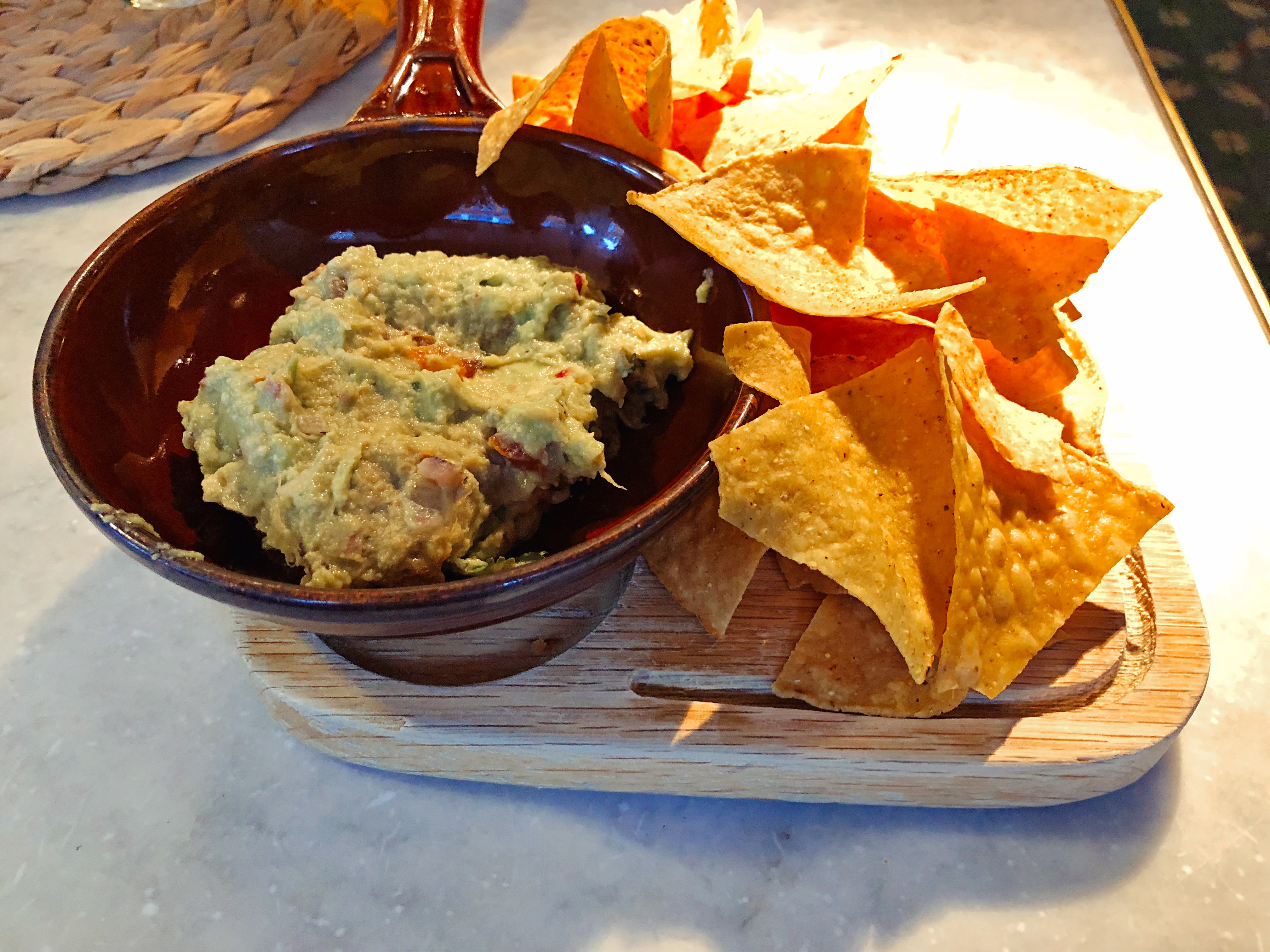
We’d asked for some guacamole and tortilla chips while we made up our mind, so this was the first thing to come out. A sign on the wall said it was freshly made, and although I wasn’t entirely sure it had been made to order it was decent, with just a little heat lurking in there. The previous week I’d been to Wahaca on the South Bank and their guacamole was better (as I had expected it to be) but not by a country mile. The tortilla chips were a little wan and not quite up to the job of dipping but again, for three pounds I was hardly devastated.

The tricky bit is what happened next: all the rest of our food was brought out at once. This wasn’t a problem in itself: god knows I’ve been known to bitch about the likes of Wagamama bringing out dishes as and when they’re ready, but for tapas this style of serving seems much more appropriate. But the real problem was that although the dishes were all brought out at the same time, some of them had clearly been sitting around a while. So much of what should have been piping hot was verging on tepid, and in many cases that made a world of difference.

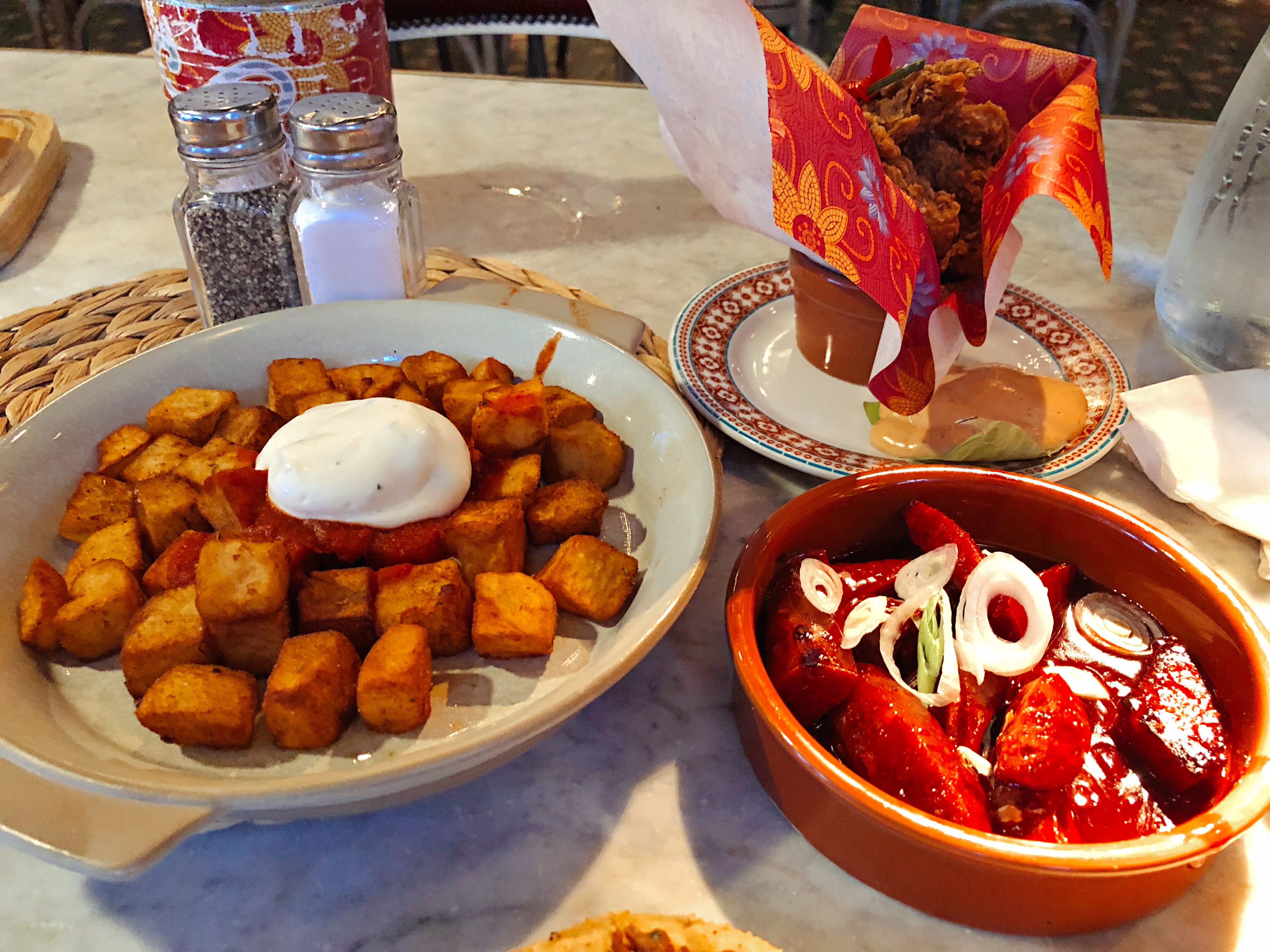
Take the chorizo in red wine and honey, for instance. Done well, this is a superb dish – I had something very similar in Granada – but Revolución de Cuba’s version was cold. Not fridge-cold, but cooked-some-time-ago-cold. It came in a terra cotta pot without any steam or sizzle, and the pot was cold to the touch. So, pretty much, was the chorizo which made me wonder if it had spent any time in the sauce or just been introduced to it right at the end like some kind of super-awkward culinary blind date. It had been cut into weirdly-shaped segments by somebody who appeared never to have seen or eaten chorizo before.

The patatas bravas – a staple of any tapas menu – were also distinctly underwhelming. They had been placed on the mat in the middle of the table as if they’d be scorching hot, but again they weren’t. There just wasn’t the crispiness I was hoping for, and the helping of spicy sauce and aioli was both disappointing and miserly: there should have been more of it, but I wasn’t especially sad that there wasn’t.

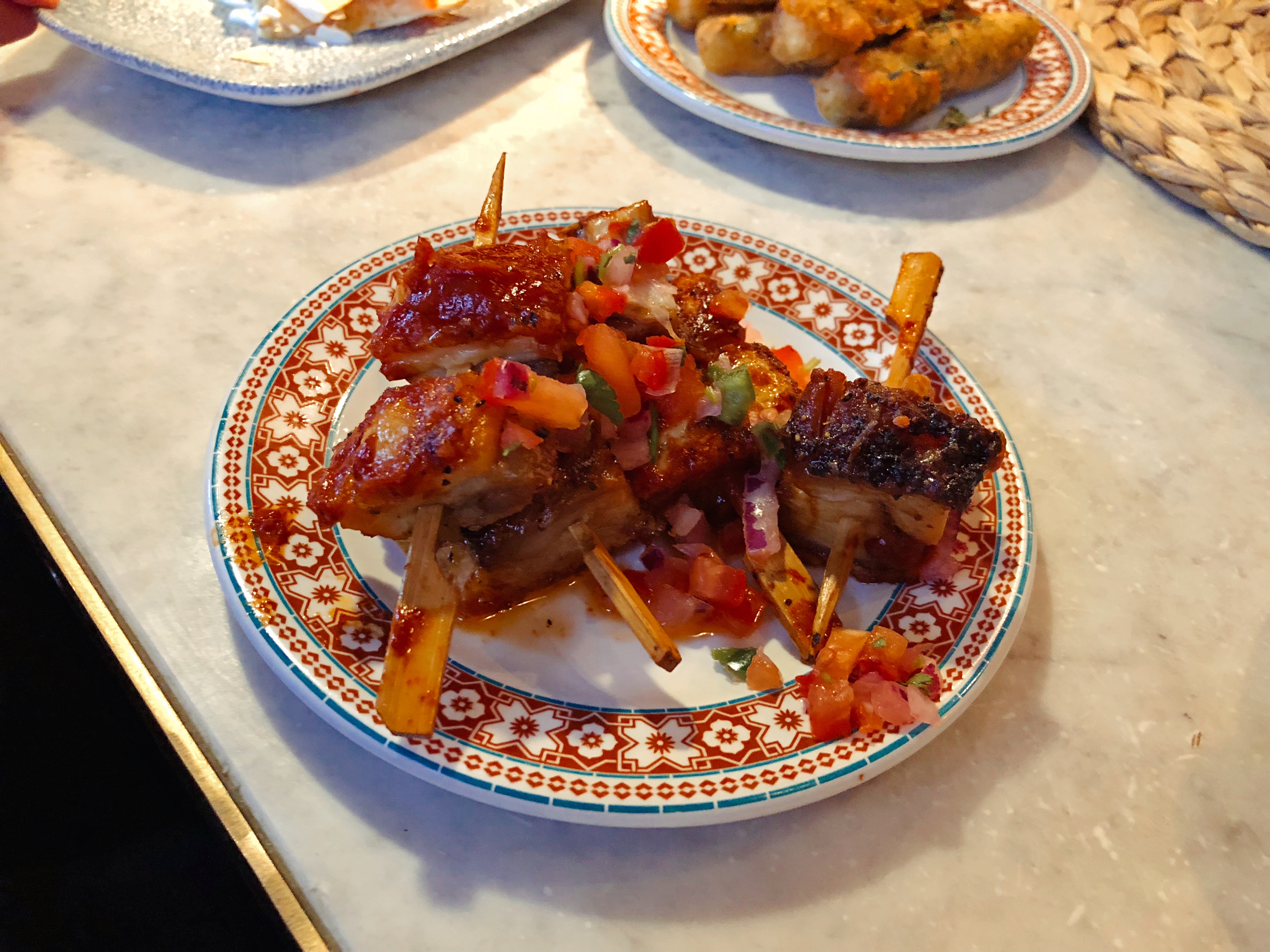
Better were the pork belly skewers, which were well cooked, all fat melted away and a crispy-crackling layer on top. I’m not sure I got the “signature spicy rum sauce” which had apparently been used, but I wasn’t complaining. These reminded me of the pork belly at The Real Greek, which is higher praise than it might sound.

I also enjoyed the jerk fried chicken, although that says more about my love of fried chicken than of Revolución de Cuba’s version. It was nicely seasoned, if a little too crunchy, and it didn’t need the rum mayo I didn’t dip it in. But even here it could have stood with being hotter, and although the texture was a long way from mechanically recovered meat, they didn’t feel like single pieces of coated chicken. Make of that what you will.

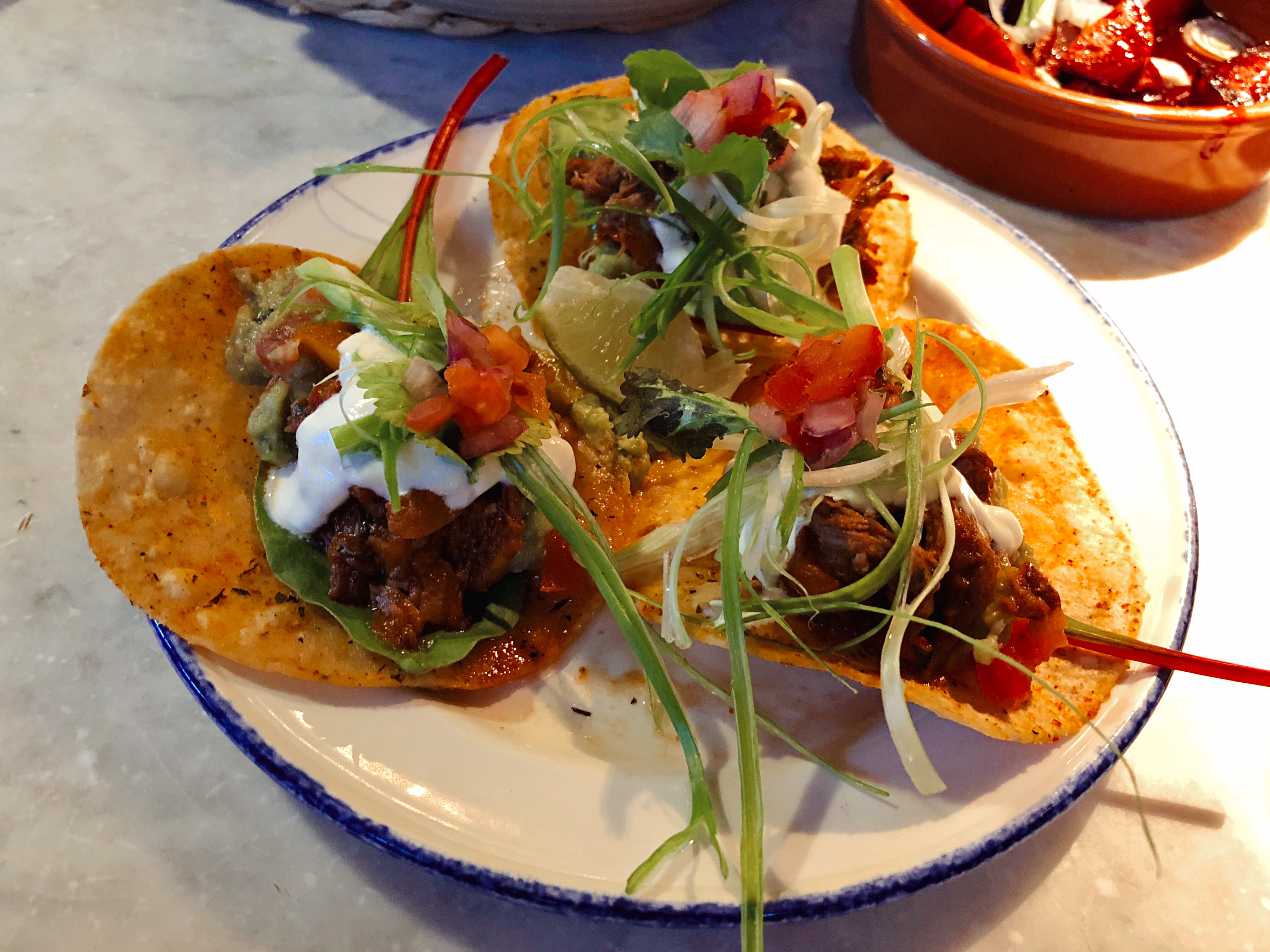
The more Latin American dishes we’d ordered were the ones that really fell flat. Chicken quesadillas might have been average if they’d been served hot but they arrived much closer to room temperature, wan anaemic things it was difficult to get excited about. We’d also ordered pulled beef tostadas, but the beef itself was claggy, bland and lukewarm. You didn’t get much of it before the dish gave way to the (cheaper) guacamole underneath and the tortilla shell, which pretty much made it the dish we’d started the meal with. The Cuban term for this beef is ropa vieja, which it turns out doesn’t translate as old rope: a shame, as it would have been apt.

Finally, we also had some crispy fried courgette. Well, two out of three anyway: it was indeed courgette but cut thick enough that getting it crispy was always going to be a challenge. I didn’t mind this, but even as I ate it I was aware of how many places do it better (especially Papa Gee). It was apparently served with Cuban gremolata, although barely enough to be noticeable, and if it had been fried in “Mojito batter” you really wouldn’t have known that either.

“This is a menu that reads much better than the food looks or tastes, isn’t it?” I said to Zoë as we surveyed the plates (mostly empty, although neither of us had shown much interest in the insipid chorizo).

“I’m afraid so. I’d come back for the guacamole, the chicken and the pork belly but that’s it.” I thought about it and tended to agree: three out of eight wasn’t exactly a stellar hit rate. I reflected on the other reviews I’d seen of Revolución de Cuba, so breathless, so enthusiastic, so positive. So comped, come to think of it. We decided to skip the churros (no doubt described somewhere on the internet as “yummy”) and asked for the bill. The whole lot – six tapas dishes, two sides, a pint and two beers – came to just under fifty pounds, not including tip. That’s not an expensive meal by most standards, but even at that price point your money would go much further in a many other places.

So far so meh, but I do have to say a word about the service. Georgina, who looked after us (and, seemingly, everyone else in Revolución de Cuba that night) was lovely – personable, polite and likeable. She came over halfway through – mid-mouthful, as wait staff always do – to check if our food was okay and we both muttered the usual pleasantries. But when she came with the bill she asked more than once, as if she actually wanted to know. So we told her. The food all came out at the same time because that’s how the kitchen did it, she said. We explained that it might be better not to and that some of the food had been cold as a result. She promised to feed that back, and I believe she did (every bit as much as I expect that feedback fell on deaf ears).

In conversation with Zoë, who tends to ask lots of questions, Georgina told us that she was studying for a Masters in criminology (a part-time job which involves looking out on Friar Street on a Friday and Saturday night probably forms part of her dissertation, come to think of it). It can be rare in chain restaurants to feel looked after rather than processed, and Revolución de Cuba would have got a lower mark if it wasn’t for the service. I wanted to tip her extra, just for enduring the canoodling couple from earlier on (“it was definitely heavy petting”, said Zoë later, “you’d get kicked out of a swimming pool for that”).

I never saw Revolución de Cuba as the kind of place I might eat on a Friday or Saturday night – I’m far too old and unfashionable for that – but I did hope it might be a serviceable small plates restaurant for a school night, or a spot of lunch on the weekend. Sadly, I think it doesn’t quite hit that level either. Some of the dishes are decent enough, but you can get them better elsewhere – Mission is better for tacos or burritos, The Real Greek better for small plates and Bhel Puri House better still. Whenever I ask what chain restaurant people would most like to see in Reading the response is overwhelming: people would love a Wahaca to open here. Based on my visit to Revolución de Cuba that gap in the market is still there. My own personal gap in the market also remains empty: if I want to feel like I’m in Andalusia, I’m going to have to get on a plane.

Revolución de Cuba – 6.6
138-141 Friar Street, RG1 1EX
0118 2077016
https://www.revoluciondecuba.com/bar/reading/

Feature: The best of Reading (2019)

Just over two years ago, I wrote a piece called “The Best Of Reading”, detailing the ten places I thought best illustrated Reading’s food culture. It was prompted by a conversation with a Reading doubter – you know the sort, people who slag Reading off without ever trying that hard to discover life outside the bland confines of the Oracle or restaurants beyond the chains. It was my attempt to counter that kind of lazy criticism, and I published it just before I made my comeback after nearly a year on hiatus. The feedback from everyone was truly lovely, I picked up reviewing again and two years later here we are.

The decision to publish this updated version was also prompted by a conversation, albeit a rather different one. I was having dinner one evening last month and my dining companion, who didn’t know Reading all that well, expressed surprise about what an interesting place it was. “At first I thought it was just another big town in the south-east” he said, “but if you scratch the surface there are all sorts of things going on.” I agreed that it punches above its weight, and then started rattling off the reasons why, many of which make it into this piece. The previous version of this feature was a rebuttal, but this one is far more of a celebration – and that feels exactly as it should be.

Of course, plenty has changed between 2017 and 2019. Some of the places which made my top ten last time around have closed: the sad losses of Dolce Vita and I Love Paella, both down to greedy landlords. Some don’t make my list this time because the ever-improving standard means they aren’t quite as good as they used to be: no room for Papa Gee, lovely though it is, or for Ketty’s Taste Of Cyprus, which lost its talented front of house and never seems open when I walk past. Reading’s restaurant scene is nowhere near as fast-moving as in other towns, and restaurateurs consistently complain about how hard it is to find decent premises (I can’t help but feel our council should be able to help) but even so things have moved on in the last two years.

Here, then, is my list of the ten restaurants and cafés that most contribute to making Reading’s food scene special and distinctive as of May 2019. Any list is entirely subjective, and I wouldn’t have done my job properly if people didn’t get as aerated about what I left out as they were excited about what I’ve put in. But it is worth mentioning, with regret, that I couldn’t find room for Perry’s, House Of Flavours, Bluegrass or Soju.

The focus on the distinctive also meant excluding chains, which rules out the likes of Honest, Pho and Franco Manca. And although we have excellent coffee and beer in Reading, it’s for someone else to celebrate Tamp, Workhouse, Anonymous, C.U.P. and the magnificent Nag’s Head. Anyway, you can all tell me how wrong I am in the comments, so here goes.

1. Bakery House


What is there left to say about Bakery House? Open for nearly four years now, the proudly independent Lebanese restaurant has got pretty much everything right from the moment it opened, and standards show no signs of dropping. In warm weather you can grab a shawarma wrap from the counter and go eat it in the sunshine, but the true riches come from eating in. The chicken livers are terrific, the falafel light and simultaneously crunchy and fluffy, the boneless baby chicken a thing of wonder. Whatever main course you have comes with rice rich with vegetables and spice and salad perfectly dressed with lemon and mint, complete with tomato and crisp radish.

I held a readers’ lunch there in January and they dished up a whole roast lamb, on a bed of rice full of minced lamb and, it seemed, whole sticks of cinnamon; I daydreamed about it for weeks.

82 London Street, RG1 4SJ.

2. Bhel Puri House


Again, Bhel Puri House is a restaurant I’ve written about many times but it’s so criminally underrated that it deserves another mention here. For a long time it was Reading’s only vegetarian restaurant, and it remains one of the town’s only convincing small plates restaurants. All that and you can eat outside in the sunshine, in a courtyard it shares with the George Hotel and Workhouse Coffee.

There are so many dishes it’s hard to know where to start, but the Punjabi samosas are huge, tasty and crazily good value and the crispy bhajia (spiced, fried slices of potato, their pungency offset with a sweet carrot chutney) are superb. Paneer is irresistable, either dry and caramelised with chilli or served Manchurian style in a sweeter, stickier sauce. And the samosa chaat, pictured above, is a riot of colour, flavour and texture. Who needs a faddish meat-free burger when you can try a vada pav?

Yield Hall Lane, RG1 2HF.

3. Clay’s Hyderabadi Kitchen
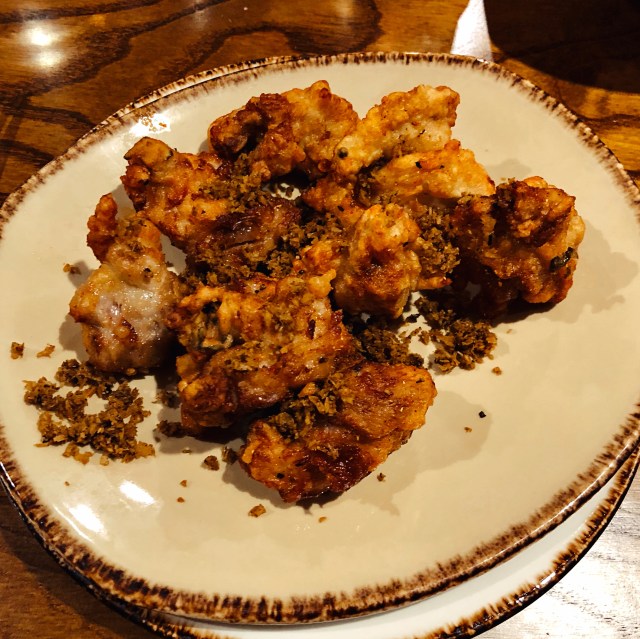

Right, let’s get this disclaimer out of the way first: as I’ve explained elsewhere, I have never reviewed Clay’s because they know who I am and I would describe the owners as friends. You could quite easily argue that this damages my impartiality, so if you’ve never been to Clay’s you may be a little sceptical about their presence on this list, and that is of course your prerogative. I can’t blame you – I would also be pretty dubious, but believe me, if anything Clay’s had to meet an even higher standard to make it on to this list. And I can appreciate the ways in which the restaurant still needs work: the room can be a little murky, loud and poorly lit, the service still lacks a little warmth and authority.

Anyway, by however high a bar you set, Clay’s has to be on a list of this kind, and if you have been there, I suspect you’ll completely understand why I couldn’t omit them. I think Clay’s does some of the best and most exciting food Reading has ever seen, especially the starters which are simply a brilliant range of small but perfectly-formed dishes (I’d love to see Clay’s open a small plates restaurant one day).

From the fish fry to the incredibly dry, smoky chicken livers, from the chicken 65 to the creamy, indulgent paneer majestic there is an almost bewildering plethora of flavours to sample and enjoy (my tip: order one or two starters more than you have diners, and share everything). And that’s before we ever get to the mains – the hot and sour monkfish, the now almost legendary bhuna venison and possibly my personal favourite, the red chicken curry. Anyway, you know what I’m talking about because I suspect you’ve already eaten at Clay’s by now, haven’t you?

45 London Street, RG1 4PS.

4. Fidget & Bob


Possibly the most unusual beast on this list, Fidget & Bob is out in the wilds of Kennet Island and truly is an all-day venue, going effortlessly from a breakfast and brunch cafe during the day to a little restaurant in the evening. It might well have the best front of house in Reading at the moment, it certainly has the best Twitter feed and it announces daily specials which regularly make me want to drop everything, hop on the number 60 bus and make a beeline there for dinner (the char siu, a regular Tuesday offering, is a particular culprit).

I went for brunch recently and you can see the picture above – the most beautifully buttery scrambled eggs (from Beechwood Farm, who supply another venue on this list), properly cooked mushrooms, wonderfully buttered toast and bacon cooked just right. A lot of my Twitter followers have raved about Fidget & Bob’s brunches, but I’m ashamed it took me so long to try them for myself. Many of the beers are local, the wines are top-notch, the coffee is excellent and in summer, the outside space will be lovely and buzzy well into the evening. What more could you possibly want?

The Piazza, Whale Avenue, Kennet Island, RG2 0GX.

5. Geo Café


Another disclaimer: over the past couple of years Keti and Zezva, who run Geo Café in the site which used to be Nomad Bakery, have become friends and so you should take everything I’m about to say with a pinch of (Svaneti) salt. And again, I am more than aware of the areas Geo Café still needs to work on – service can be a bit thin on the ground, and they don’t always cope brilliantly with high volumes of customers. But the food redeems so much that I stand by my recommendation: Georgian food is the great unsung world cuisine (although maybe not for long) and there are many eye-opening dishes at Geo Café that you simply can’t eat anywhere else – not only in Reading but, generally speaking, in England.

The classic dish is the chicken wrap – lots of chicken thigh spiced with ajika, served in a well-assembled wrap packed with salad, baje (a sauce made from walnut), salad and lemon juice. Anybody who has had it at Blue Collar knows just what a good dish this is, and the Geo version comes close to hitting those heights. But there are also aubergine wraps, all sorts of skillets using the café’s excellent sourdough and of course, the wonder that is khachapuri – a flatbread stuffed with a gooey cheese which is a blend of cheddar, mozzarella and feta (made by the café, because they can’t get the Georgian cheese which is normally used).

Anyone who has followed Geo Café (or Georgian Feast, or Caucasian Spice Box, or whether they’ll be called next month) on their journey from the Horn to the Turk’s to the Island via countless food markets will be delighted to hear that they’ve finally found the home they deserve. Oh, and the cakes (from the bakery upstairs) are pretty good too.

10 Prospect Street, RG4 8JG.

6. Kobeda Palace
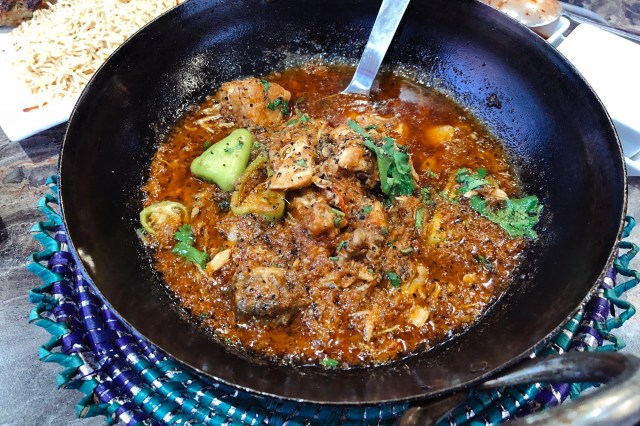

Kobeda Palace is a scruffy, unpretentious, popular Afghan grill house down the Oxford Road. It is decidedly no-frills, its neighbour Da Village looks swankier and glossier, but I absolutely love it all the same. They make the naan on site – big, stretched, fluffy things with bubbled crusts. The kobeda kebabs are decent, as are the chicken tikka kebabs and the chops. And the karahi chicken, a red, oily, warming, ginger-strewn miracle of a dish, is one of the finest things you can eat in Reading. Order it, take the meat off the bone before you start and eat it with a naan, enjoying the bustle around you. There’s no alcohol licence, but when a restaurant on the Oxford Road has no alcohol licence that’s just the cosmos telling you to stop at the Nag’s Head on your way home.

409-411 Oxford Road, RG30 1HA

7. Pepe Sale
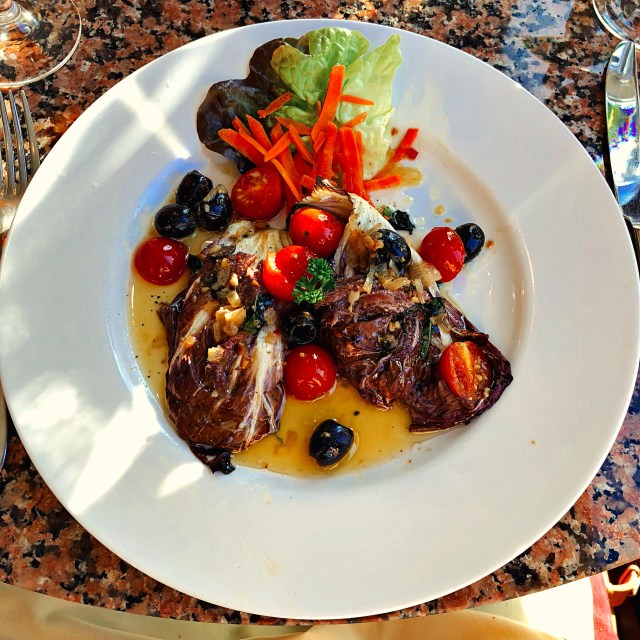

After the demise of Dolce Vita last year, Pepe Sale might be Reading’s longest-running restaurant, and it really is a class act. Eating there is an impressively timeless experience – the service is quite brilliant, even when the place is extremely busy, the room has been gently updated (it still looks a tad dated, but nowhere near as much as it was), the menu still has tons of Sardinian classics but there are always specials to give regular diners numerous reasons to return. The suckling pig, only available on Friday and Saturday nights, has rightly attained almost mythical status but there are so many other things to enjoy, including chicken stuffed with mozzarella and wrapped in pancetta, beautifully tender veal in cream sauce and countless splendid pasta dishes.

Pepe Sale, as I’m often given to saying, was my first ever review on the blog and when I published it, one of my detractors piped up. “Pepe Sale is just an okay neighbourhood Italian restaurant” she said. How wrong can you be?

3 Queens Walk, RG1 7QF

8. Sapana Home
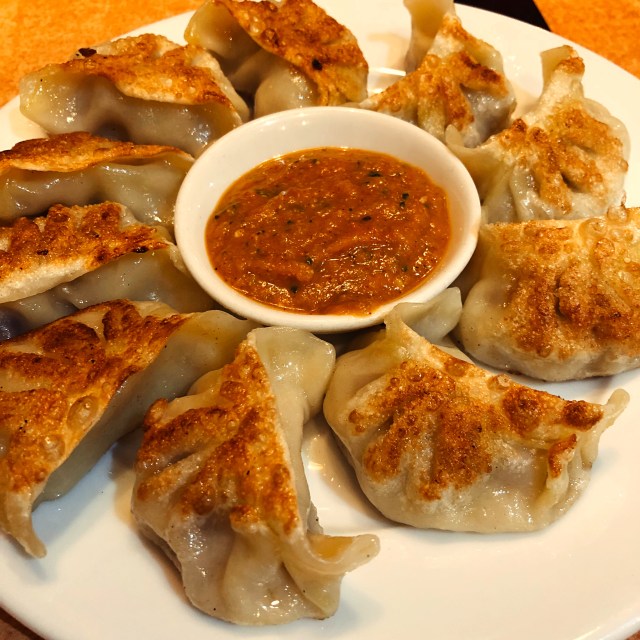

Sapana Home needs little introduction by now – heaven knows I’ve written about it enough times. The little Nepalese restaurant on Queen Victoria Street has been there for what seems like forever, and the clientele is an interesting mixture of Nepalese diners and non-Nepalese customers who are in the know. I’ve heard criticisms that their momo are frozen (and it’s true that the ones at the long-lamented Namaste Kitchen were even better) but really, on a cold day when you have ten pan-fried chicken momo in front of you I find I don’t give a monkey’s. Every time I put a picture of them on Instagram, I get a chorus of likes: it really is almost impossible to look at it and not want to eat them immediately.

There are other attractions. The chilli chicken and the chicken fry are both delicious, on a good day the chow mein is quite lovely and I do have a soft spot for the samosa chaat here, all sweet tamarind, crunchy sev and red onion. The service, too, is more friendly than you might expect, and they still do one of the best mango lassi in town. Judge all you like, but I ate there on Valentine’s Day.

8 Queen Victoria Street, RG1 1TG

9. Shed


Shed was a quite shocking omission two years ago: all I can say is that I don’t know what I was thinking. It still does Reading’s mightiest toasted sandwiches – “The Top One”, all cheese chorizo and jalapeño, and “Tuna Turner”, which is tuna mayo, cheese and, err, also jalapeño. But the salads are excellent too, as is “Saucy Friday” when you can have, say, scotch bonnet chilli chicken with rice and peas, coleslaw and macaroni cheese. The service is outstanding, Pete and Lydia are almost annoyingly likeable, the milkshakes are great and they do some of the best loose leaf tea in town.

If I was being picky I sometimes wish the room itself (upstairs, it transforms into cocktail bar Milk in the evenings) was a bit lighter and the furniture was a little more comfortable, but I’m well aware that says more about my age than Shed’s beauty. It remains one of the best places in Reading to have lunch, and we’re lucky to have them.

8 Merchants Place, RG1 1DT

10. Tuscany


N.B. Tuscany closed in May 2019, sadly. But there’s always Kungfu Kitchen.

Last but not least, the delights of the tiny Tuscany, tucked away on the Oxford Road. A handful of covers and a menu which basically consists of heading up to the counter and choose your toppings by pretending that you’re doing the numbers round on Countdown (“I’ll have two from the top, Carol, and six from anywhere else”). The pizza bases are really good, the pricing is ridiculously keen and the service is quite lovely – and many readers of the blog have told me about wonderful evenings they’ve had there after picking up a couple of cans or a bottle of wine from one of the nearby shops (no alcohol licence, but they don’t charge for corkage).

I’m long overdue a return visit, and this story maybe illustrates how much I found I cared about the place: I went a little while back for dinner with a friend to find the shutters down and the lights off. I went on Twitter to vent my despair, and felt a huge sense of relief when someone kindly pointed out to me that Tuscany was closed on Wednesdays. I’ve rarely been so happy to be wrong.

399 Oxford Road, RG30 1HA