City guide: Málaga (2021)

A more up to date city guide to Malaga, from 2024, can be found here.

My previous guide to Málaga, from over two and a half years ago, was written at a very different time, after a holiday to the Spanish city with friends. It was, I enthused, a mini Barcelona that had it all: history; architecture; museums and galleries all over the place; a cracking food market; a beach; and food and drink that rivalled anything I’d had elsewhere.

I liked it so much that eight months later, while Zoë was on a beer drinking holiday with a group of her friends affectionately referred to as the “beer wankers”, I tried something I’d barely ever done before: I booked an Airbnb, booked some flights and took myself off there for a solo holiday. Zoë sent me pictures of her merry band, drinking lambic after lambic in cosy-looking bars or shivering in the town square, layered up to the max and probably turnt up to the max as well. I responded with well-lit pictures of sun-dappled tables, cold cañas of the local lager and fetching-looking food. It was November, it was twenty degrees and my shorts and walking sandals were enjoying one final hurrah before being packed away for six long months: what could possibly be bad about that?

Fast forward two difficult, turbulent years, and when we were picking the destination for our first holiday in aeons choosing Málaga was a quick and unanimous decision. And an excellent one: I don’t want to bang on about the C word too much, but there was something hugely comforting about spending four nights in a country where Covid rates were a tenth of what they are in the U.K., one where people wear masks indoors all the time without wanking on about being exempt or subjecting Twitter to their edgelord ramblings. They just do it: you know, because they’re not arseholes. 

On our first night in a bar, the woman sitting along from us replaced her facemask between sips of her drink. Even I thought that was a little hardcore, but it did suggest that she at least gave a shit about the rest of us. Anyway, I had four brilliant days eating and drinking in the sunshine in the company of good friends, living as free from fear as I can remember, and I returned fatter, slightly more tanned and with plenty of photographs, most of them of food. 

Originally I wasn’t going to write up this trip, but a fair few people have told me that they wanted to read this one and given that a few places have either closed or relocated since my last guide it felt like a good time. If you’re trying to work out where your next city break will be, this may help.

And if you don’t fancy a trip to Málaga, I’m awash with tips for my next destination following last weekend’s fabulous readers’ lunch: the most difficult decision is whether to prioritise the beauty of Potenza, the food of Montpellier or the craft beer of Kaunas. Every table seemed to have a different suggestion for the best city break you’ve never had. It might, with hindsight, turn out to have been a deeply expensive meal.

Where to eat

1. Taberna Uvedoble

Still arguably the single best place to eat I’ve found in Málaga, Uvedoble relocated in 2021 to a bigger site, still close to the cathedral but just around the corner from its previous home. The menu is clever, modern and almost ridiculously easy to adapt to any group size or any event: nearly everything comes in small, medium or large so you can have one all to yourself or share it with your companions (or, for that matter, order a large and have it all to yourself).

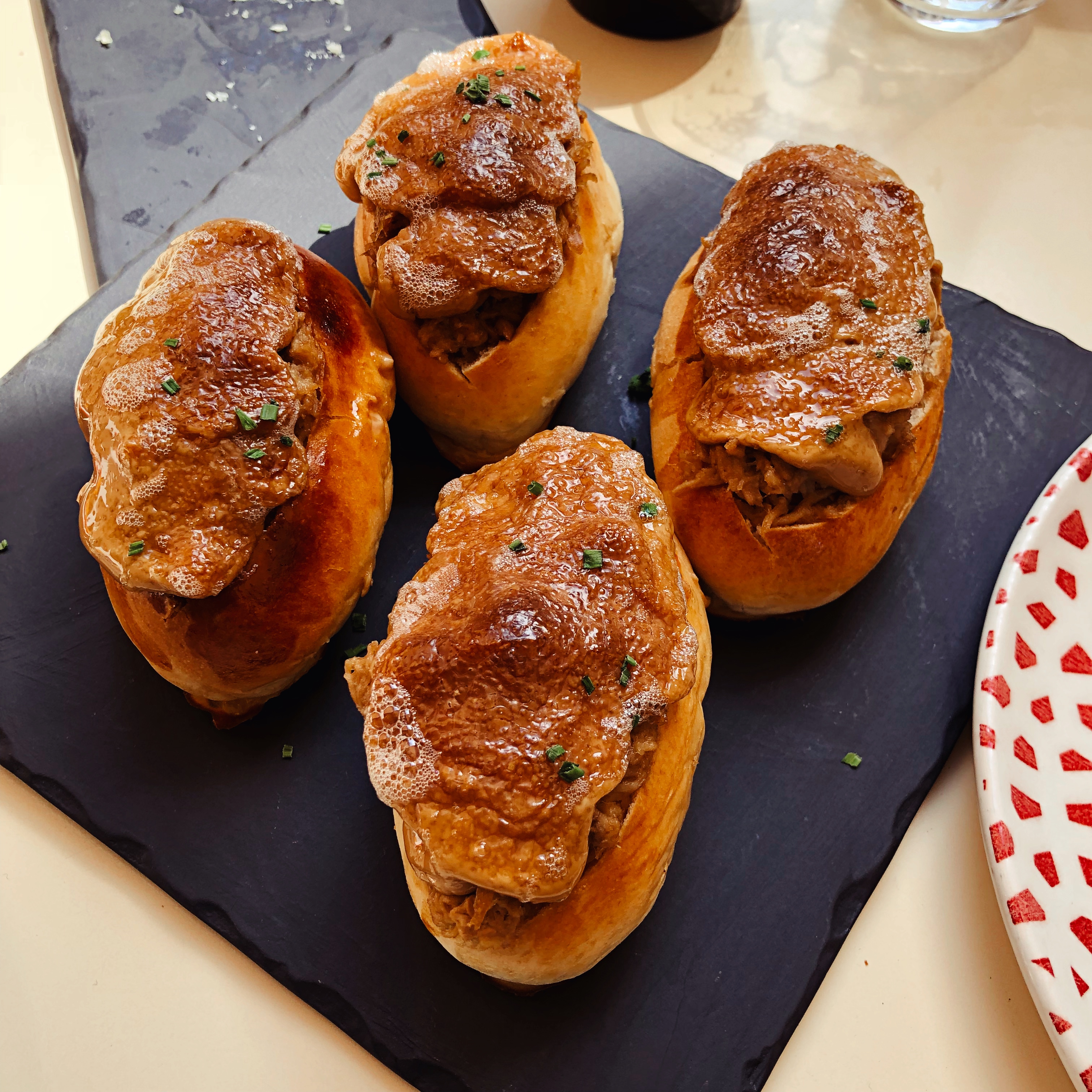
The classics were all waiting for me when I returned, so I got to reacquaint myself with oxtail albondigas, the meat rich and falling apart, served on a bed of skinny chips. I also revisited the suckling pig brioche, topped with aioli and served like the most decadent savoury éclair imaginable. Asparagus came jenga-style with an artful smear of romesco, and little pucks of compressed, rolled lamb shoulder were phenomenal with couscous.

But my favourite dish there remains the fiduea, a dish Zoë simply refers to as “the nest”. A heap of squid ink noodles, as black as night, topped with gorgeous, pert baby squid and served with a pungent puddle of honking aioli. The first mouthful was close to a religious experience and I realised, sadly too late, that this was the dish where you should order a large and have it all to yourself.

Taberna Uvedoble
Calle Alcazabilla, 1
https://www.uvedobletaberna.com/en

2. Meson Iberico

Meson Iberico, in the Soho district near the modern art gallery, is almost the polar opposite of Uvedoble – a more traditional room, a more classic, less experimental menu – except for one thing: they both serve exceptional food. Meson Iberico’s menu is bigger and most things either come in a media or a racion.
It has a conventional dining room that you can reserve, and the four of us ate there on our last night having a really fantastic time surrounded by tables all occupied by Spanish speakers. But I had just as much fun on our first night, when it was just me and Zoë, standing outside when they opened at half eight and making our way to the bar (and if you don’t do that, good luck getting a seat). There you see all the bustle, watch the staff hard at work and really feel part of the spectacle, get an insight into how a great restaurant is a living, breathing thing.

Most of the food there is amazing, but I had a real soft spot for particular dishes. Spiced skewers of suckling lamb, served stunningly tender, came with a little pile of impeccable chips for a crazy four Euros. Morcilla was fragrant and perfect for grazing. And I absolutely adored the wild mushrooms, cooked simply in oil and garlic, the perfect advert for buying something good and mucking about with it as little as possible.

On our second trip there we ordered a huge plate of prawns, so sweet and plump, and made short work of them between the four of us. And the tortillitas de camarones, fritters studded with tiny shrimp, were the best I’ve eaten in the city. On my most recent visit in May 2022, the highlight was tender belly of tuna draped artfully across sweet roasted red peppers – quite possibly from a tin and a jar respectively, but no less delectable for that.

Meson Iberico
Calle San Lorenzo, 27
https://www.mesoniberico.net

3. Gastroteca Can Emma

The find of my visit in 2019 was Gastroteca Can Emma, a small unsung restaurant close to Málagueta which was recommended to me by Owen Morgan, one of the owners of the Bar 44 chain which serves terrific Spanish food in Cardiff and Bristol. Morgan has been to Málaga often (I imagine research is one of the most enjoyable parts of his job) and if he says somewhere is good, you try it out. I’m so glad we did, because a two hour boozy lunch there became one of my happiest memories of the holiday.

As with Meson Iberico, we were the only non-Spaniards there and we were treated to a knockout meal with many, many highlights. Tortilla with wild mushrooms and a whisper of truffle was an earthy delight, and a plate of miniature jamon croquetas was a magnificent – and eminently shareable – treat. I surprised myself by ordering something close to paella as a main – arroz mar y monte – and I’m so glad I did because that rich, sticky rice, bursting with meat, squid and prawns, was the standout dish among standout dishes. But we also had a quartet of mollete de calamares, simple fried squid sandwiches which were as good as anything I have eaten this year.
When we arrived, a group of Spanish ladies had got there before us and were already starting on the wine. When we finally got up and waddled away hours later, more than replete, they were still ordering more food and more drink. We had a theory that they replaced one of the women every thirty minutes when we weren’t looking until, like culinary Sugababes, none of the original lineup remained. Be that as it may, they were lunching legends: can I be them when I grow up?

Gastroteca Can Emma
Calle Ruiz Blaser, 2

4. Casa Lola

Deep in the old town, Casa Lola is a bit of a staple: I went there on my first ever visit to Málaga, and I’ve gone back every time since. We went for an early lunch on my first day in 2021 and the place had completely filled up within half an hour, so it’s clearly built up a reputation – a fact borne out by the presence of a couple of other Casa Lola spin-offs across the city.

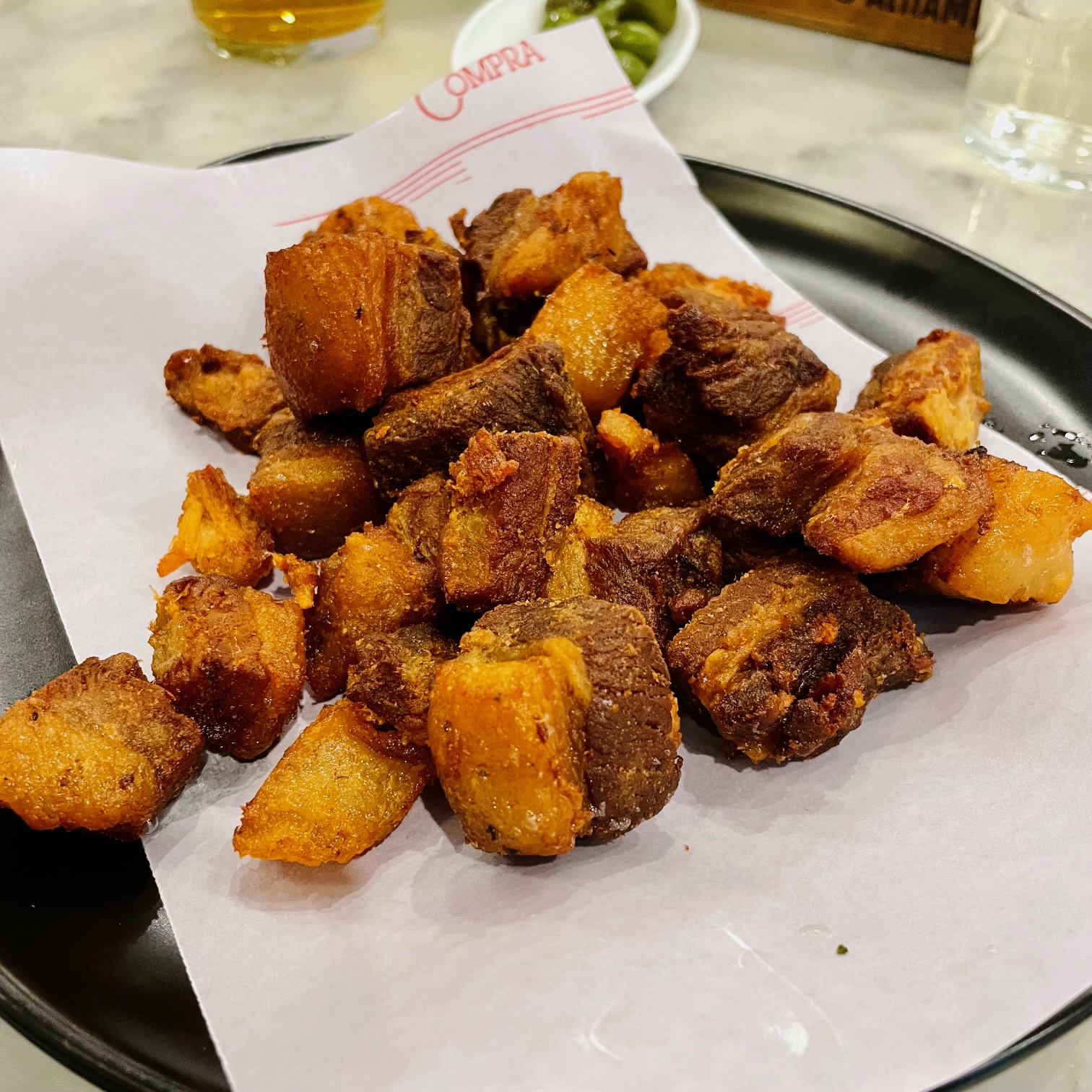
Its success is completely deserved. As usual we had a selection of pintxos which were quite delicious (any meal which features bacalao is on to a winner in my book). But on this occasion we wandered more into the outer reaches of the menu and were richly rewarded – with spot on miniature veal burgers in little tiger bread buns, and with chicharrones, crunchy, chewy nuggets of belly pork which made pork scratchings look distinctly two-dimensional, whiskery and sad. As I took the first sip of my rebujito I was wishing I could never leave: by the end of it I was frantically Googling whether I could somehow claim asylum.

Casa Lola
Calle Granada, 46
https://tabernacasalola.com

5. La Cosmopolita

La Cosmopolita was the highlight of my most recent visit in May 2022 – a place I’d never been to before which quite won me over. Most of the restaurants I eat at in Málaga are fully paid up members of the “pick small plates and keep ordering in waves until you’re full up” school of thought, so to go somewhere like La Cosmopolita with a more conventional starters/mains/desserts model felt strangely grown up and classy.

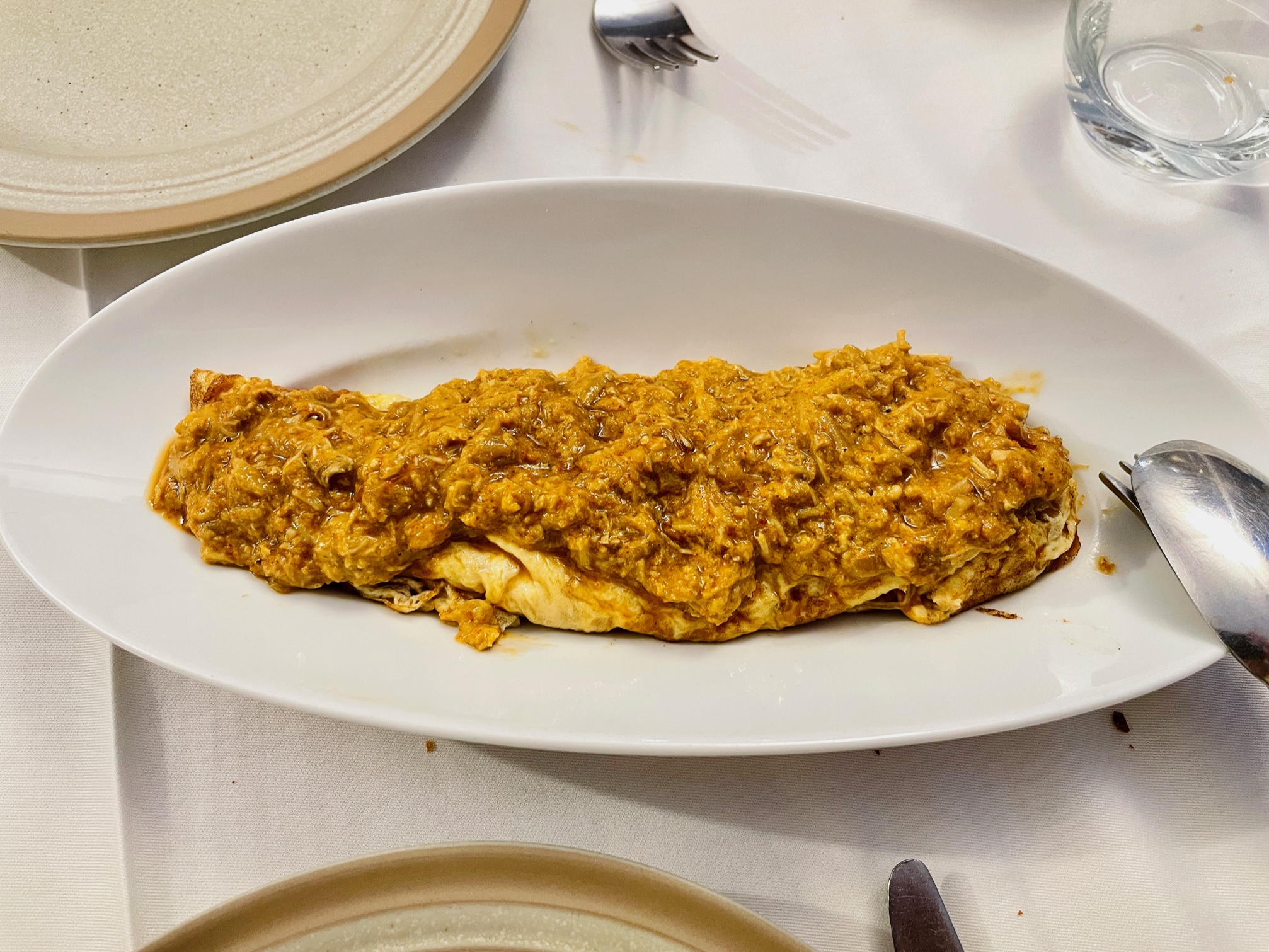
But honestly, the dishes were as lovely and sophisticated as anything I’ve had in Málaga, and quite possibly more so. Tempura bacalao was a world away from anything else I’ve eaten in the city – the batter feather-light, the fish inside translucent, just-cooked and perfect. A crab omelette was more crab than omelette, all earthy, sweet and positively divine. Their run of form continued without any let up, and my main course – tender squid in a sauce with just enough sweet onion – was another high point of the trip.

But the best dish I had there, and possibly my best dish of the holiday, was a cheesecake made with payoyo, simultaneously sweet, salty and hopelessly compelling. I didn’t order it, so I just had a forkful of Zoë’s which filled me with equal parts ecstasy and regret for the rest of my time in Andalusia.

La Cosmopolita
Calle Jose Belgrano, 3
https://lacosmopolita.es

6. El Tapeo de Cervantes

El Tapeo de Cervantes was one of my favourite restaurants in recent visits to Málaga, and if it didn’t quite reach that standard this time around, it still got pretty close. The original dining room is snug and cosy, and if you eat there you really feel like you’re in on one of the best secrets there is. On my 2021 visit we were in the larger, less charming dining room next door, although if I’d never been to the restaurant before I’m sure I would have been enraptured.

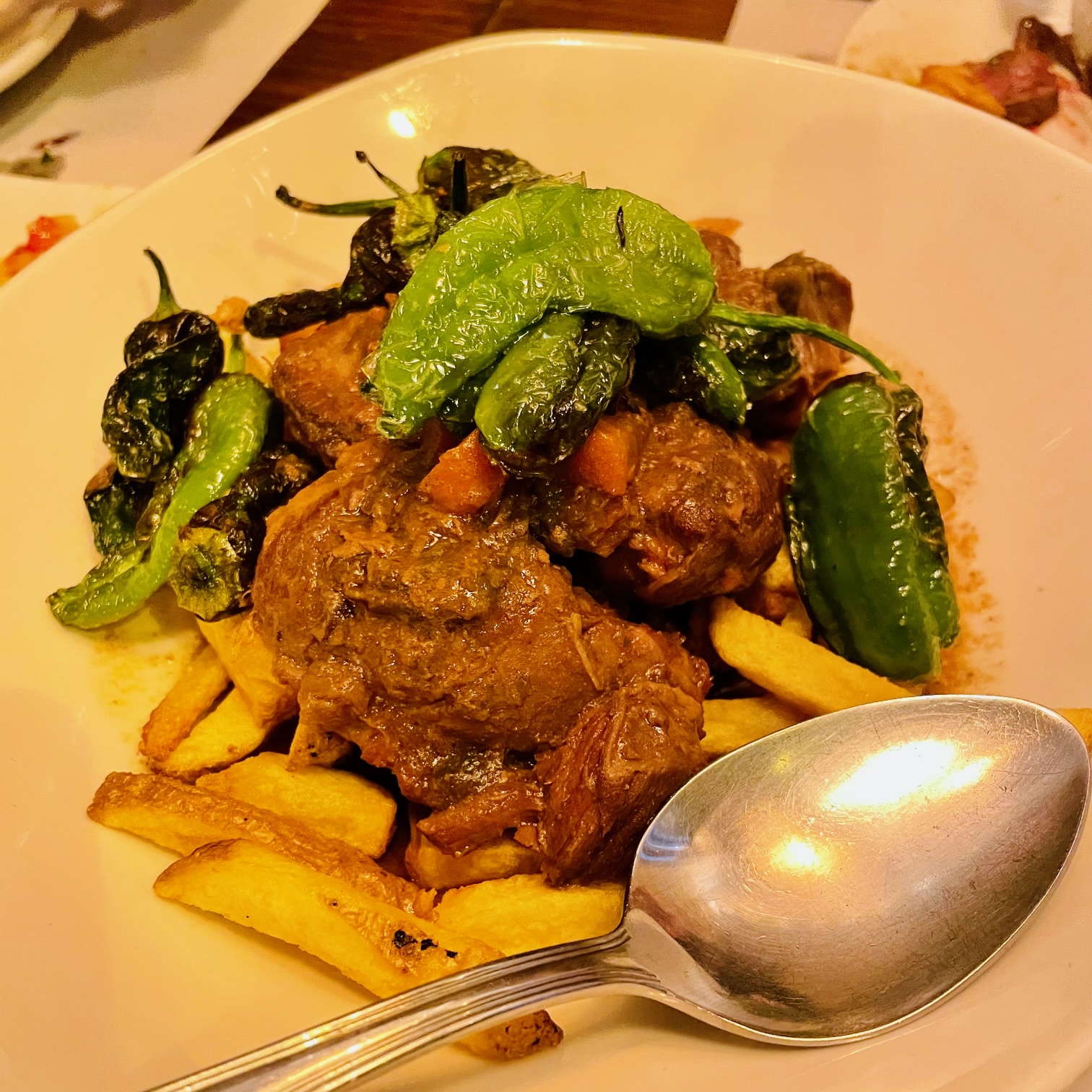
The food is still excellent, although they do that confusing thing of having a main menu and a sizeable specials menu with a degree of overlap between the two. Everything comes in medium or large, and some of the dishes were marvellous – secreto iberico with pineapple is combination you shouldn’t love as much as you do, and pig’s cheek stew on chips is like an Andalusian take on the Belgian classic stoverij. But a couple of the dishes – sweetbreads and octopus – were served a little too similarly on smoked mash, and some of the things we tried felt lacking in heft, tasty though they were. It’s still worth a visit, especially if you’re in Málaga for long enough, but perhaps no longer the first name on the list.

El Tapeo de Cervantes
Calle Cárcer, 8
https://eltapeodecervantes.com/en/

7. Meson Mariano

Meson Mariano is a traditional, family-run restaurant, all dark wood and beams, a million miles away from the clean contemporary look of Taberna Uvedoble. My holiday companions were a little (well, a lot) younger than me and when we went to Meson Mariano they were in a state best described as “visibly impaired”. Regrettably, that meant we didn’t order the full three courses – but it also means that they were so full that I managed to try a little bit of everybody’s meal and confirm my suspicion that Meson Mariano was a very good restaurant indeed.

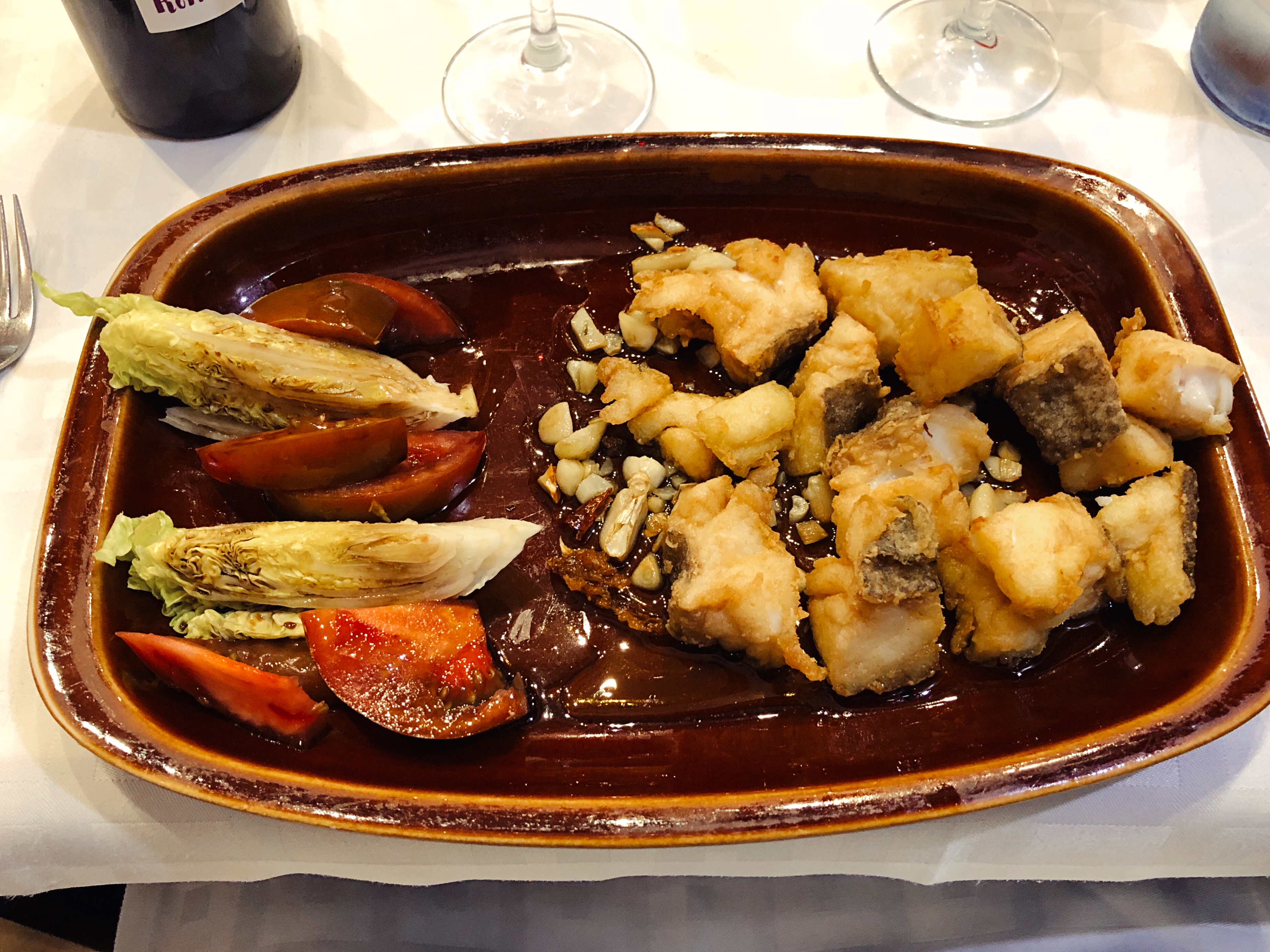
The salt cod was beautiful, either served fried with tons of garlic or cooked in tomato with potato, but the meat was the real high point, whether it was shoulder of lamb on the bone (though so tender that it didn’t stay there for long) or bang-on sirloin with an astonishingly good goats cheese sauce. When I go back, I’ll try the deep-fried goats cheese starter: I remember it fondly from a previous visit.

Restaurante Meson Mariano
Calle Granados, 2

8. Mercado Atarazanas

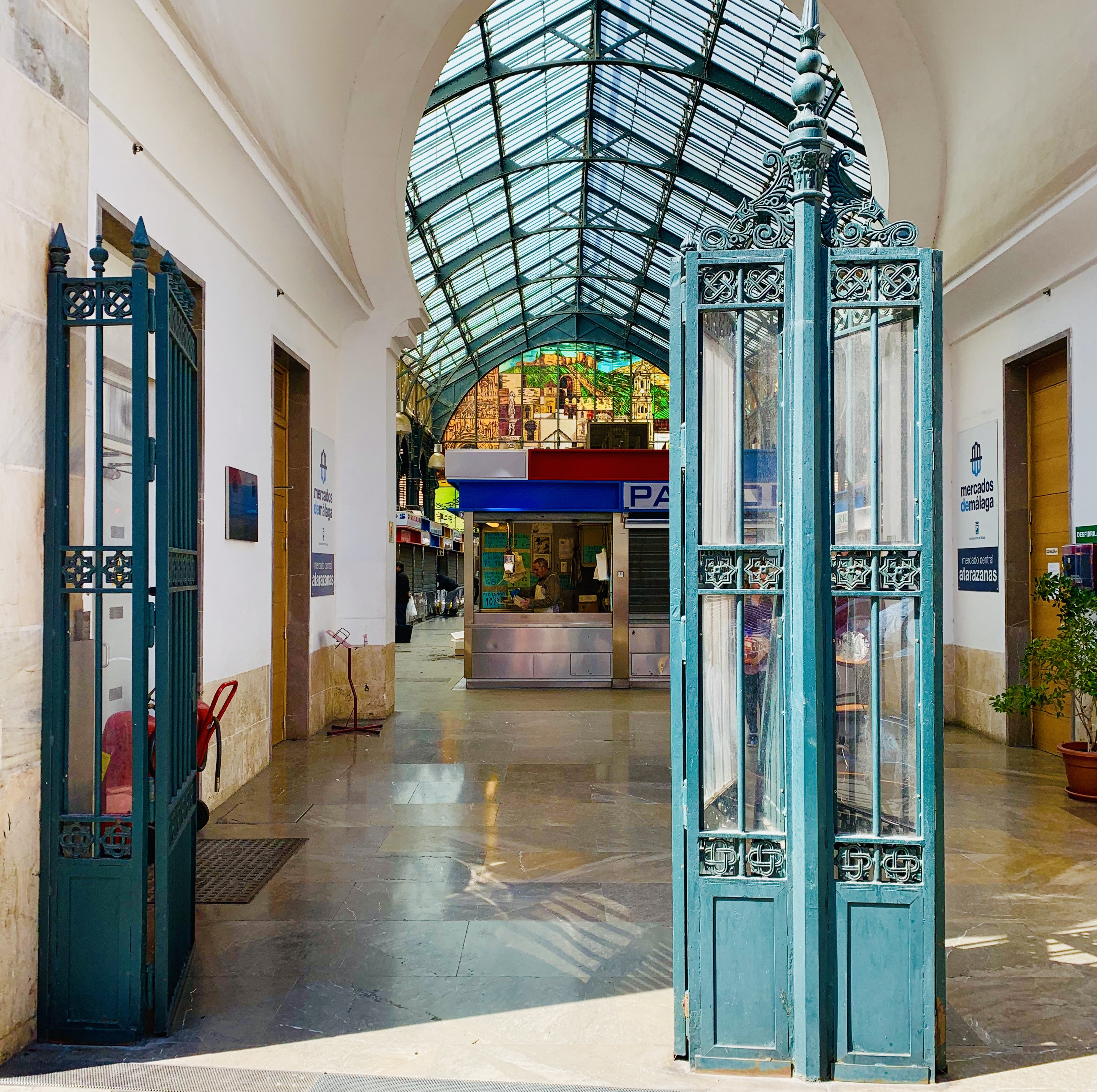
Not content with being a mini Barcelona, Málaga also boasts a mini Boqueria in the shape of the handsome and hugely likeable Mercado Atarazanas. You can buy pretty much anything there – from just-landed fish to pig’s trotters, from freshly sliced jamon to salted almonds shining with oil. 

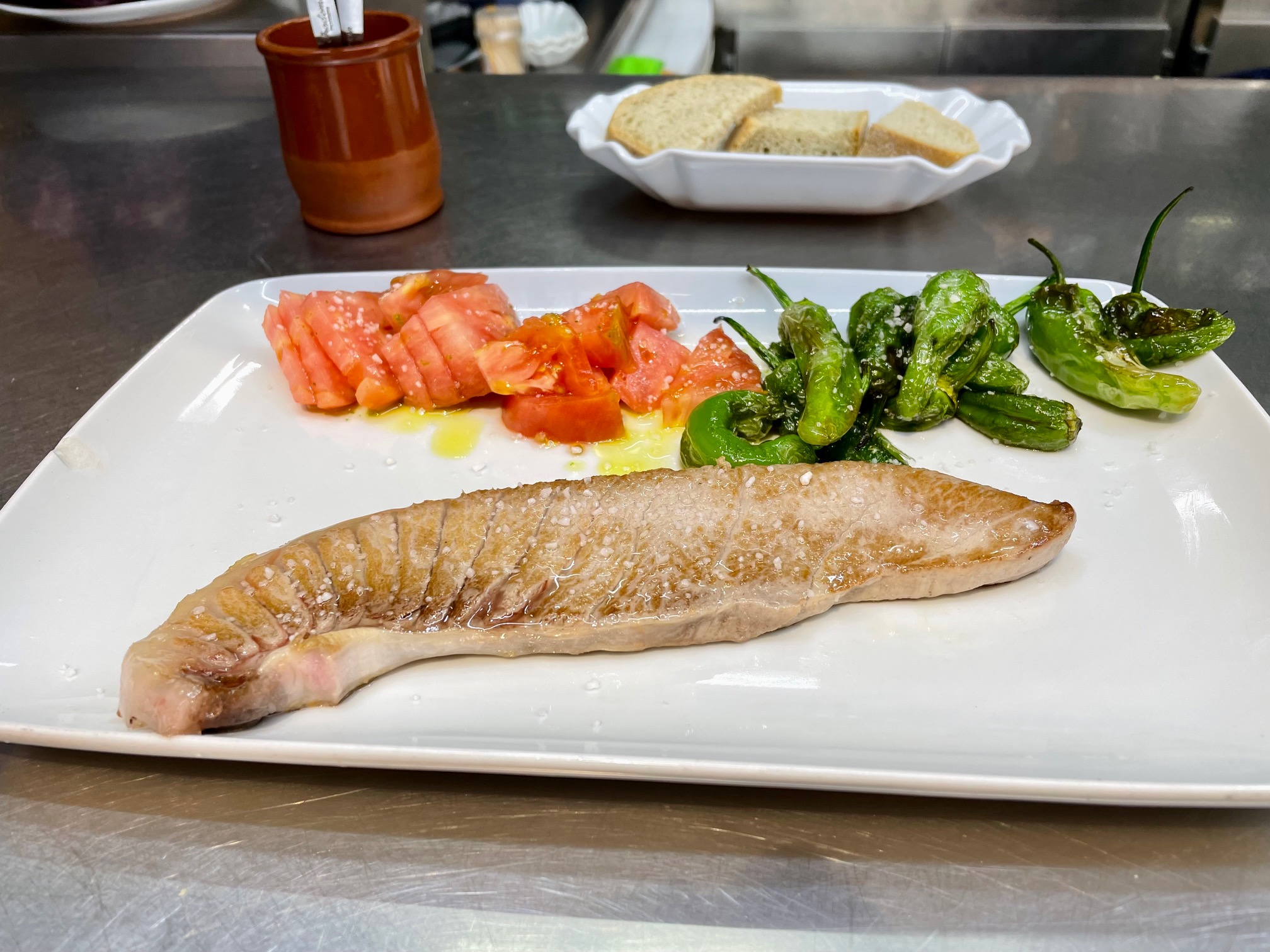
But the real draw, for me, is Central Bar in the corner of the market. There you can stand up at the bar, drink your vermouth or your caña and get stuck into the incredible array of fresh fish and seafood under the counter, or have charcuterie, cheese and all the other main Spanish food groups. On my 2021 visit we had tuna steaks, cooked simply, scattered with salt and served up with sensational tomatoes and padron peppers, another exemplary illustration that less is often more.

But it wasn’t just about the fish: chicharrones de Cadiz were utterly delicious but a completely different kettle of pork to their Casa Lola cousins – less scratchings, more a high definition porchetta with fat that practically dissolved in the mouth. The four of us lunched like kings for just over a hundred Euros, and my only regret is that I didn’t find a way to go there every day.

Mercado Central de Atarazanas
Calle Atarazanas, 10

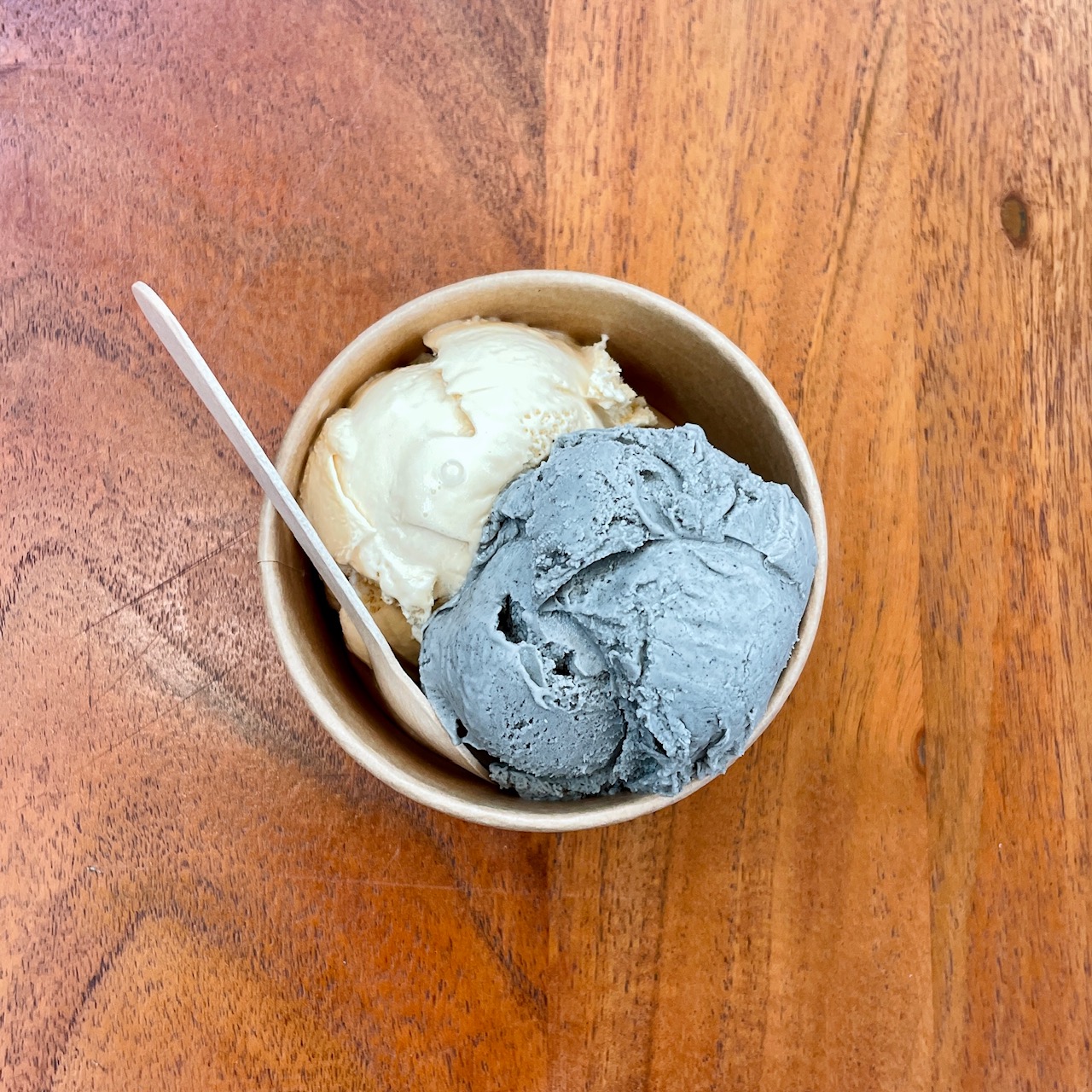
9. Heladeria Freskitto

A lot of guides to Málaga single out Casa Mira, the legendary ice cream parlour on Calle Marqués de Larios which has been keeping Malagueños cool for over a hundred years. And don’t get me wrong, it’s dead good, but my preference is Freskitto, a stone’s throw from the Picasso Museum. It’s a hole in the wall which does ambrosial helado the equal of anything I’ve tasted in Italy.

I love their dark, intense chocolate, their dulce de leche is a smooth buttery caramel without any salt muddying the waters, I have fond memories of their cinnamon ice cream and on this visit I heard good things about their Nutella and pistachio flavours from my companions. The texture has that splendid elasticity that marks out continental ice cream from its British sibling, and the taste is phenomenal. That Málaga is a city where you can eat and drink outside, have ice cream and pick up insect bites in November is as good an advertisement for the place as I can think of.

Heladeria Freskitto
Calle Granada, 55

Where to drink

1. La Tranca

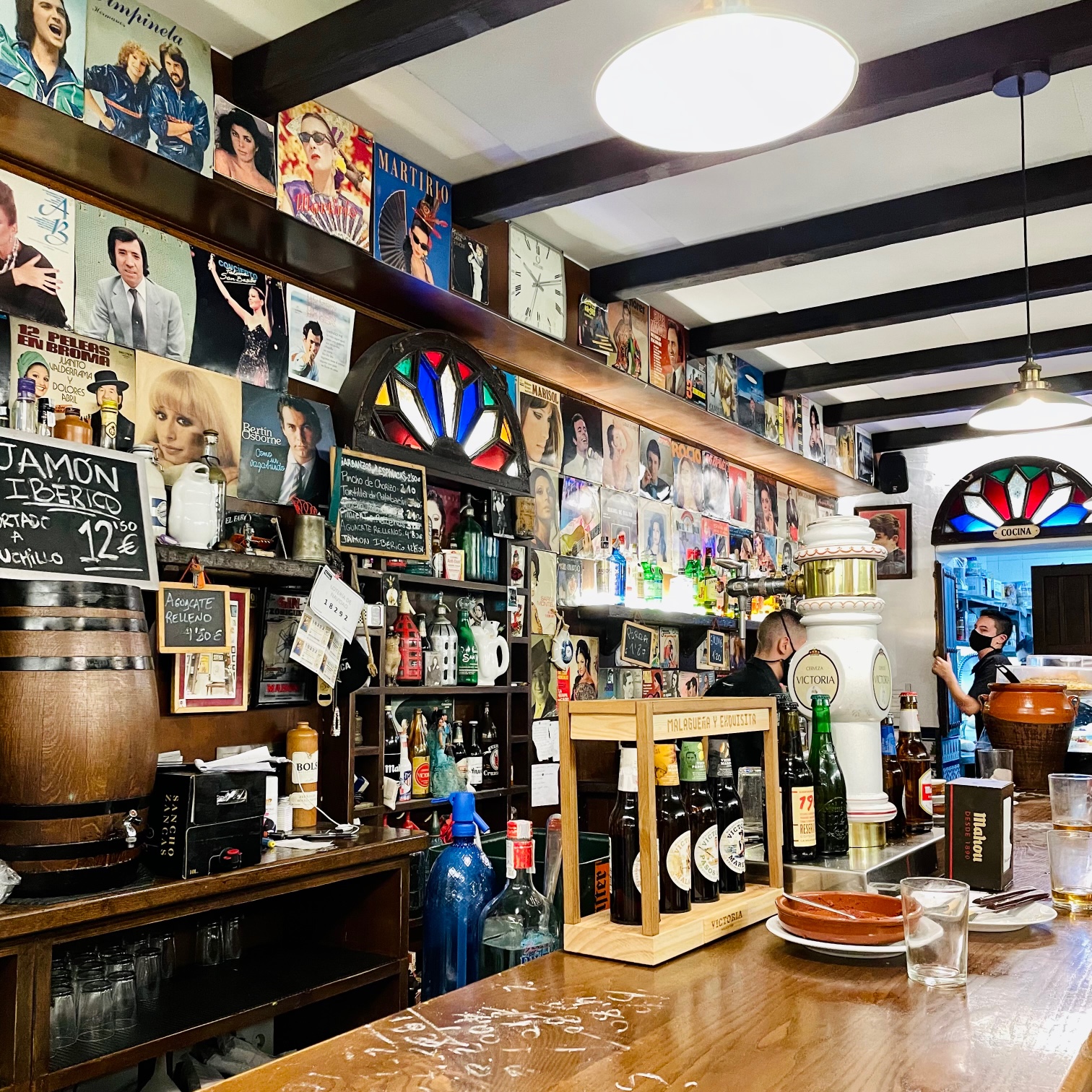
La Tranca remains one of my favourite bars in the whole wide world, a scruffy and vibrant place which welcomes anyone who wants to drink vermouth or beer, eat good food and enjoy people-watching amid a crowd who all have the same laudable priorities. The music is Spanish, and the LPs behind the bar are a retro anorak’s dream. I can honestly say that this is a happy place at the epicentre of a happy place, and all my visits in 2021 and 2022 were superb fun.

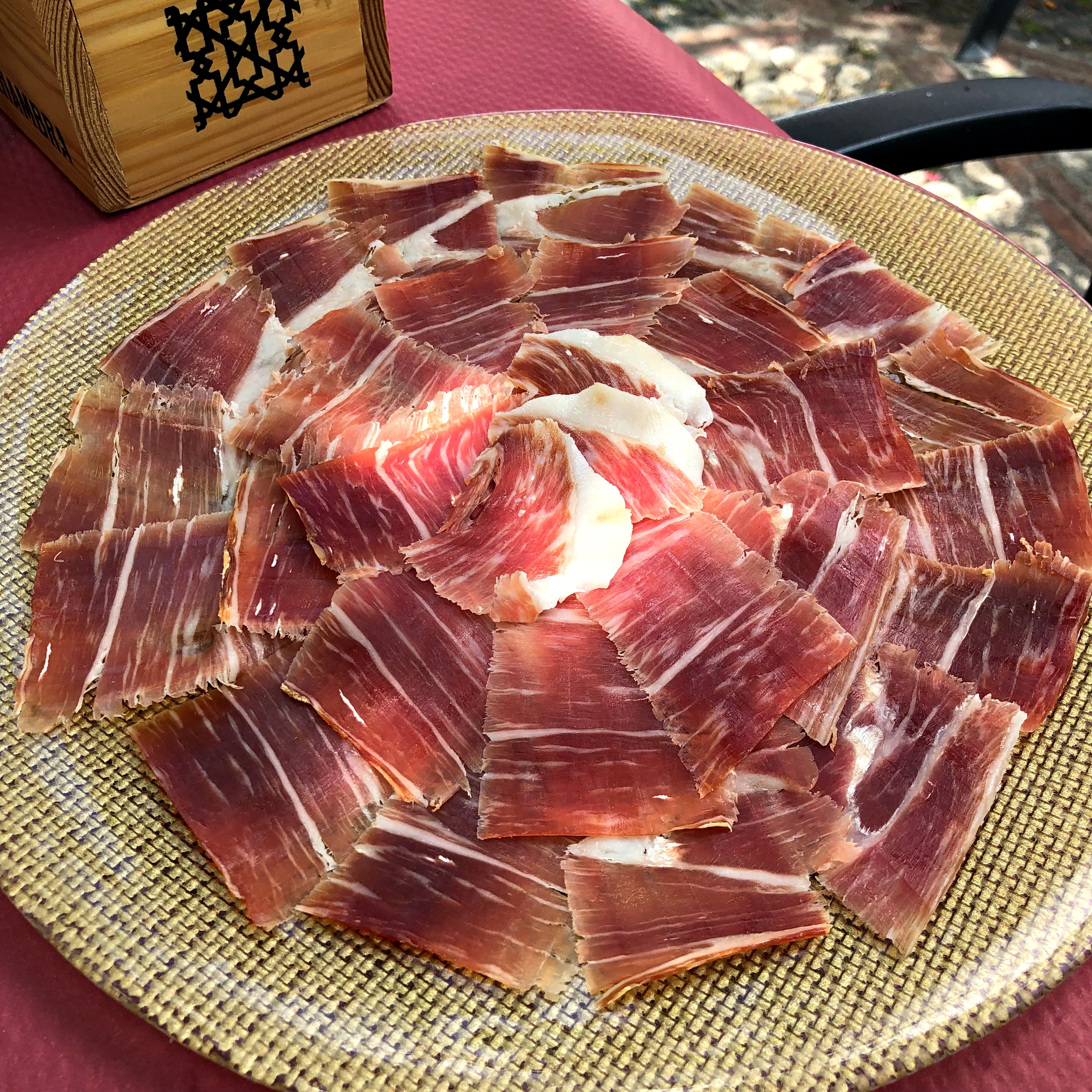
Although you can drink beer or vermouth here my preferred drink is the aliñao, a mixture of vermouth, gin and soda which slips down dangerously easily. After a couple of them, you find your life goals slowly shifting from whatever they were before to “how can I buy an apartment within stumbling distance of La Tranca?” And that’s without talking about the food – wonderful four cheese empanadas with a tang of blue cheese or some of the best jamon I had on my holiday, sliced there and then and presented glistening on a board, waiting to be pinched between fingers and devoured. And fried olives – did you know fried olives were a thing? Me neither, and now I feel quite devoutly that they should be a Thing everywhere.

On a previous visit, we’d bumped into an Italian singer-songwriter who had a long and fascinating story of jet setting from one European city to the next, la dolce vita in action. A tad randomly, we all follow one another on Instagram now, so when we returned to La Tranca in 2021 Zoë took a goofy selfie of the four of us and sent it to him. “That’s really sweet of you!” came the reply from elsewhere on the continent in next to no time. “Enjoy the journey in beautiful Málaga. I miss it.” It has that effect on you, you see.

La Tranca
Calle Carreteria, 92
http://www.latranca.es

2. Antigua Casa de Guardia

This has always been, for me, the other place in Málaga to stop for a drink – a long thin room with a long thin bar where you pick from the sweet wines, sherries and vermouths in the barrels behind. They keep a running tab on your bar in chalk and as barely anything you can drink tops two Euros you do feel it’s rude not to stay for another, and another.

It’s standing room only, with only a few high tables, so settling in for a prolonged session is probably beyond most people, but to stand there sipping from your copa and watching the bar staff, all of whom feel like they’ve been doing this for years, is a quintessential Málaga experience.

Antigua Casa de Guardia
Alameda Principal, 18
https://antiguacasadeguardia.com

3. Birras Deluxe

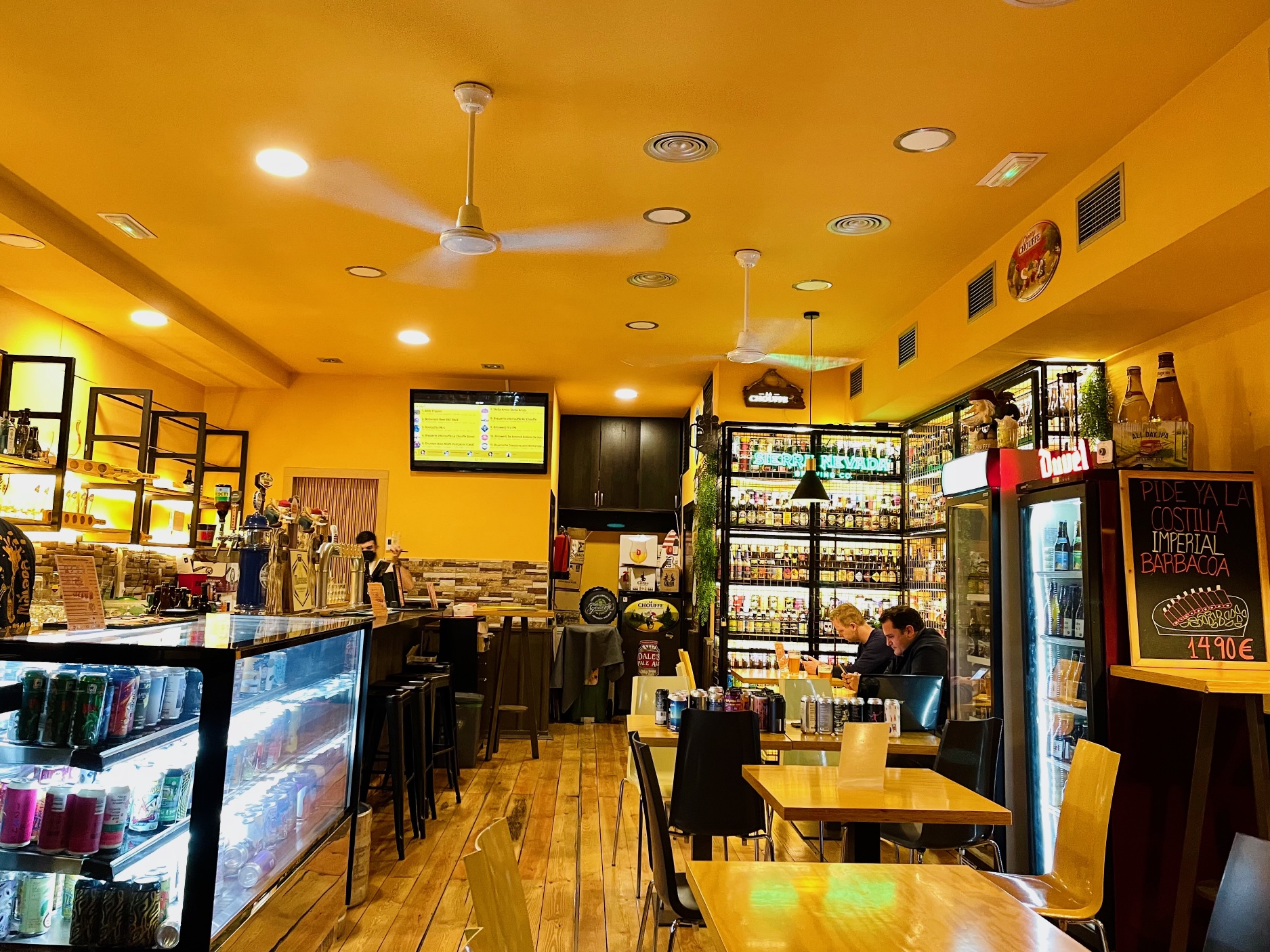
Málaga has a surprisingly strong craft beer scene, and Birra Deluxe up on Plaza de la Merced became a firm favourite on this trip for a post-dinner beer or two. It used to be called something else, but it came under new ownership recently and they’ve properly spruced the place up, making it a decidedly agreeable place to try beers and shoot the breeze.

The staff are really friendly and full of recommendations, which meant that we got to try draft beer from local brewery Attik Brewing and some cans from their superb selection which features prominent Spanish breweries like Basqueland Brewing and Barcelona’s Garage Beer Co, along with other beers from harder to find breweries like Zagreb’s The Garden Brewery. My beer of the entire holiday was a chocolate macaroon imperial stout from Basqueland which will live long in the memory – chocolate upon chocolate upon chocolate, the perfect liquid dessert. 

Birras Deluxe 
Plaza de la Merced, 5
https://www.birrasdeluxe.com 

4. Casa Aranda

My favourite place for churros used to be Café Central on Plaza de la Constitucion, which was one of those grand old cafés that feels like it’s always been there and will always be there. So I was positively shocked to arrive in Málaga in May 2022 to find that the place had closed in January after an incredible 102 years of trading. The usual story of capitalist greed, I’m afraid – the man who had run it for most of his life was ready to retire, and fell out with the other two owners of the building. Rumour has it it might become a McDonalds, yet another reminder that capitalism is very far from a good thing.

So where to go instead? Well, the other big name for churros in Malaga is Casa Aranda, a whippersnapper that’s only been around since 1932. It seems to have expanded further every time I go to Málaga – aided no doubt by the demise of its nearest competitor – and now seems to take up the majority of Calle Herreria del Rey, either with tables out on the pavement or little rooms inside where you can get your churros fix.

None of it is a natural sun trap the way Café Central was, but over a couple of trips there it won me over. The churros are every bit as good (especially dabbed in sugar for the perfect combination of sugar, salt, crunch and grit), the cafe con leche – milk poured at the table, as it should be – is excellent and the whole experience is oddly comforting. I wish them many years of strong trading and kind landlords: I don’t think I could face having to change churro supplier twice in a lifetime.

Casa Aranda
Calle Herrería del Rey, 3
http://www.casa-aranda.net

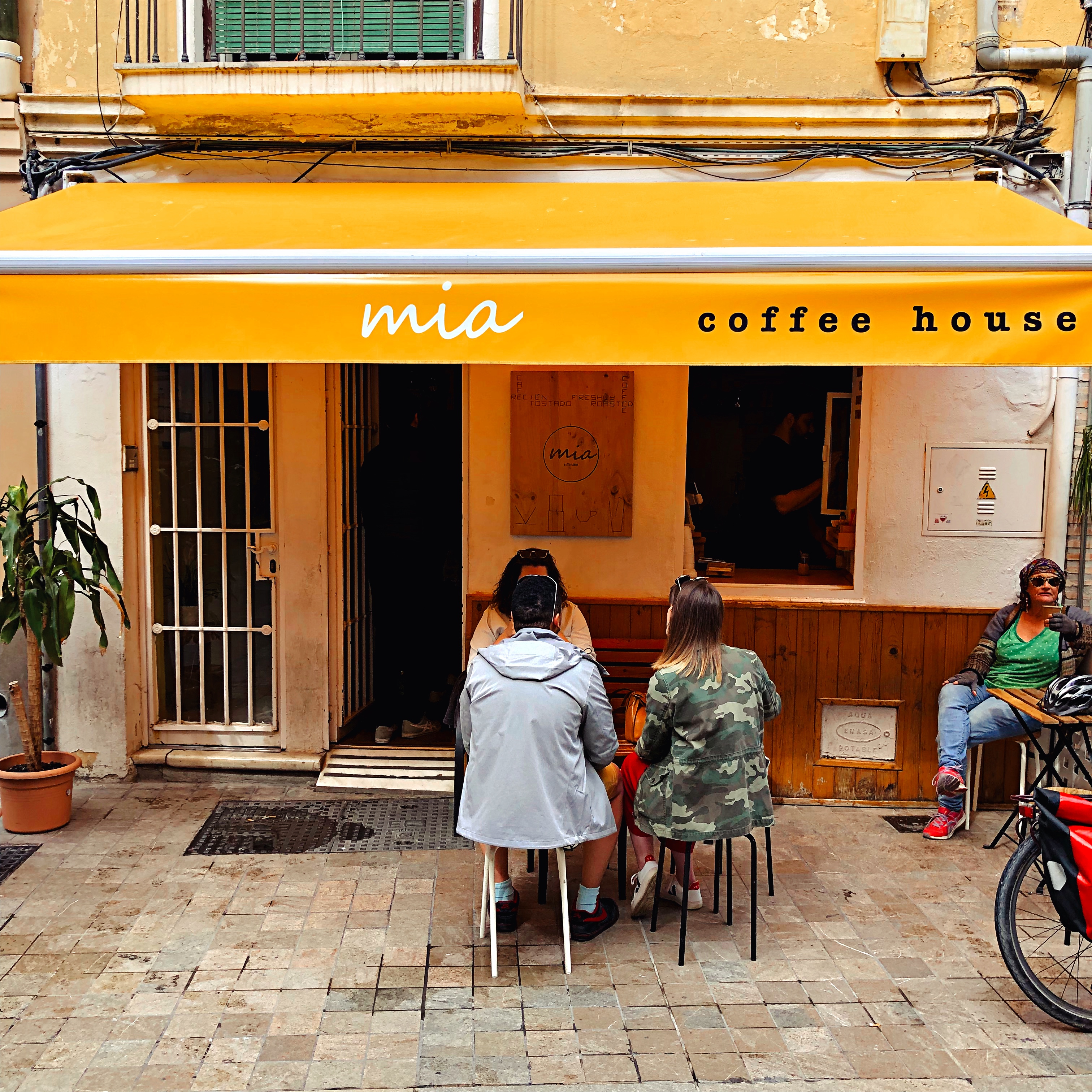
5. Mia Coffee House

If you want a “proper” coffee, by which I suppose I mean a Workhouse/C.U.P. cup of coffee, Mia does the best coffee I found in Málaga. It’s essentially another hole in the wall, but the coffee is sublime, made with care and precision and served in attractive cups, sunshine-yellow to match the awning outside. They appeared to be renovating the place when I visited in May 2022 which meant there were limited tables inside. But no matter – it’s in a lovely little part of the city right next door to the hammam, and you can sit on the steps of the beautiful church opposite and watch the city come to life in the morning.

I wanted some coffee to take home with me, and Mia stocks coffee from Barcelona’s excellent Nomad (and, on my most recent visit, their own blend). When I told the member of staff that I brew with an Aeropress she lit up enthusing about the Aeropress method. It turns out that the Spanish heat of the World Aeropress Championships was taking place the following week, and that a barista from Mia was going to be there flying the flag. Based on what I saw, I fancied their chances. I left with a nice warm glow and a bag of beans for later on.

Mia Coffee House
Plaza de los Mártires Ciriaco y Paula, 4
http://miacoffeeshop.com

6. El Pimpi

El Pimpi is a Málaga institution, and I’m ashamed to say that I’d never visited it prior to this trip. A huge, sprawling bar with lots of little rooms and corridors, and a lot of outside space looking out on the Alcazaba, I surprised by how much I liked it. It was touristy, but not to its detriment, and it had all the things Antigua Casa de la Guardia was lacking, like seats, and toilets you could actually bring yourself to use.

My glass of Pedro Ximenez had that sticky, syrupy quality and the richness of thoroughly coddled sultanas and I would happily have stayed for more. There’s always next time, as I increasingly told myself as my holiday drew to a close. Antonio Banderas, a native of Málaga, is a big fan (he allegedly owns an apartment overlooking the bar), so there are a lot of pictures of him on display. A lot.

El Pimpi
Calle Granada, 62
https://elpimpi.com/en/

7. La Madriguera

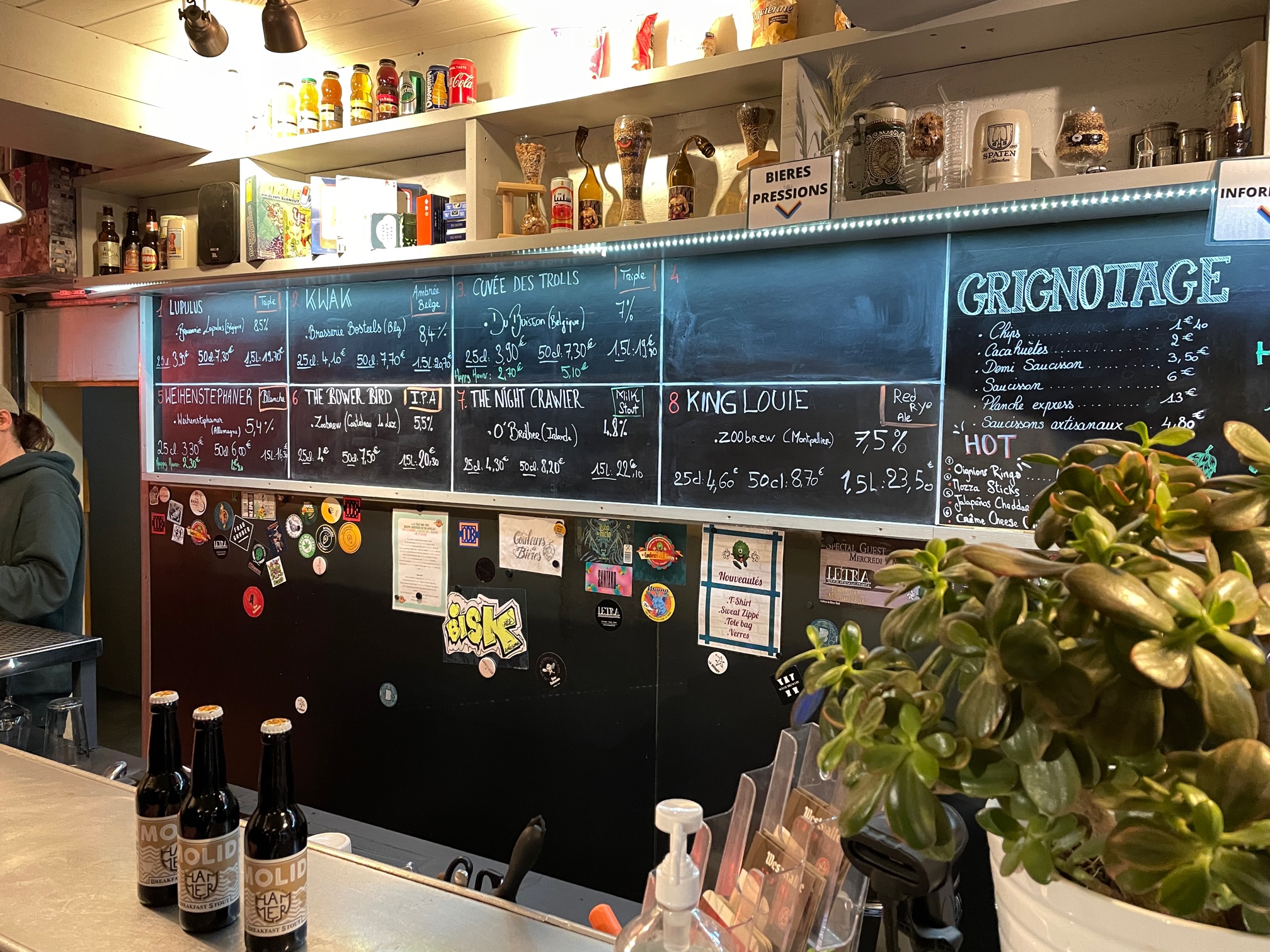
La Madriguera is the other Spanish craft beer place in Málaga, on a street full of surprises. The bar two doors down called “Jamones”, with a logo based on the Ramones, seemed to have shut down when I went in November 2021, so I was delighted to see that it had reopened when I returned six months later. Conversely, the ice cream joint called “Dick Town” which specialised in genitalia-themed ice creams and labial waffles was open last November but, in a triumph of taste and decency, had closed by the following May. Thank heavens.

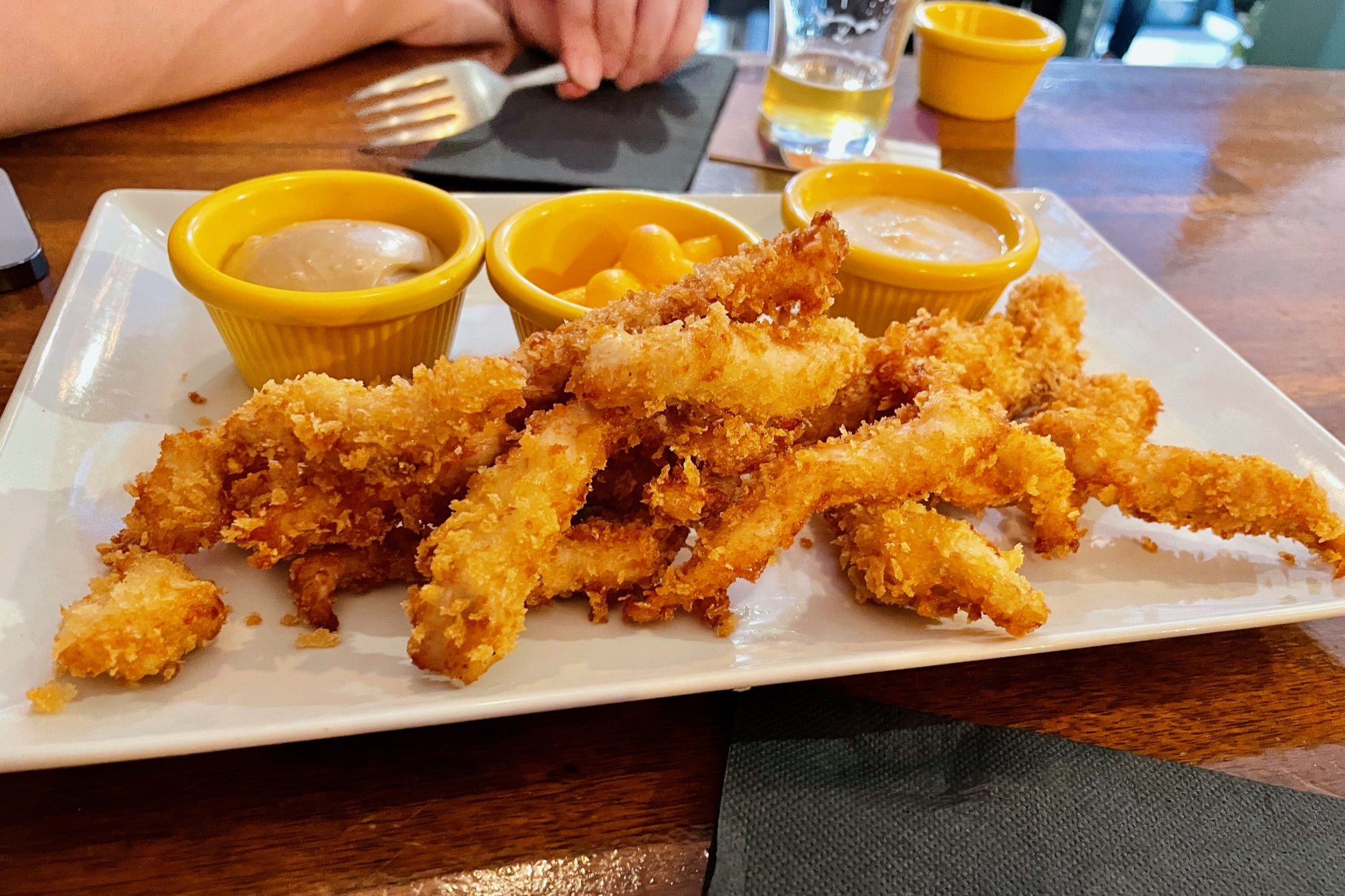
Anyway, I was delighted to see La Madriguera thriving, and it gave me the opportunity to try yet more local beer with interesting stuff on tap from Spain and beyond. I managed to check out IPAs from a variety of Spanish breweries – Bonvivant who were local, Attik Brewing from Torremolinos, Cerveza Espiga from Catalunya and Bilbao’s Drunken Bros. On my previous visit to La Madriguera I’d been really sorry to miss out on the food – it all looked great, and their chef has worked in some of Málaga’s best known tapas places, including KGB. So this time I made sure I ordered some fried chicken to accompany my pre-dinner beers, and it was predictably brilliant. Next time I plan to make an evening of it there.

La Madriguera
Calle Carreteria, 73
https://www.lamadriguerabar.com/en/home/

8. El Ultimo Mono

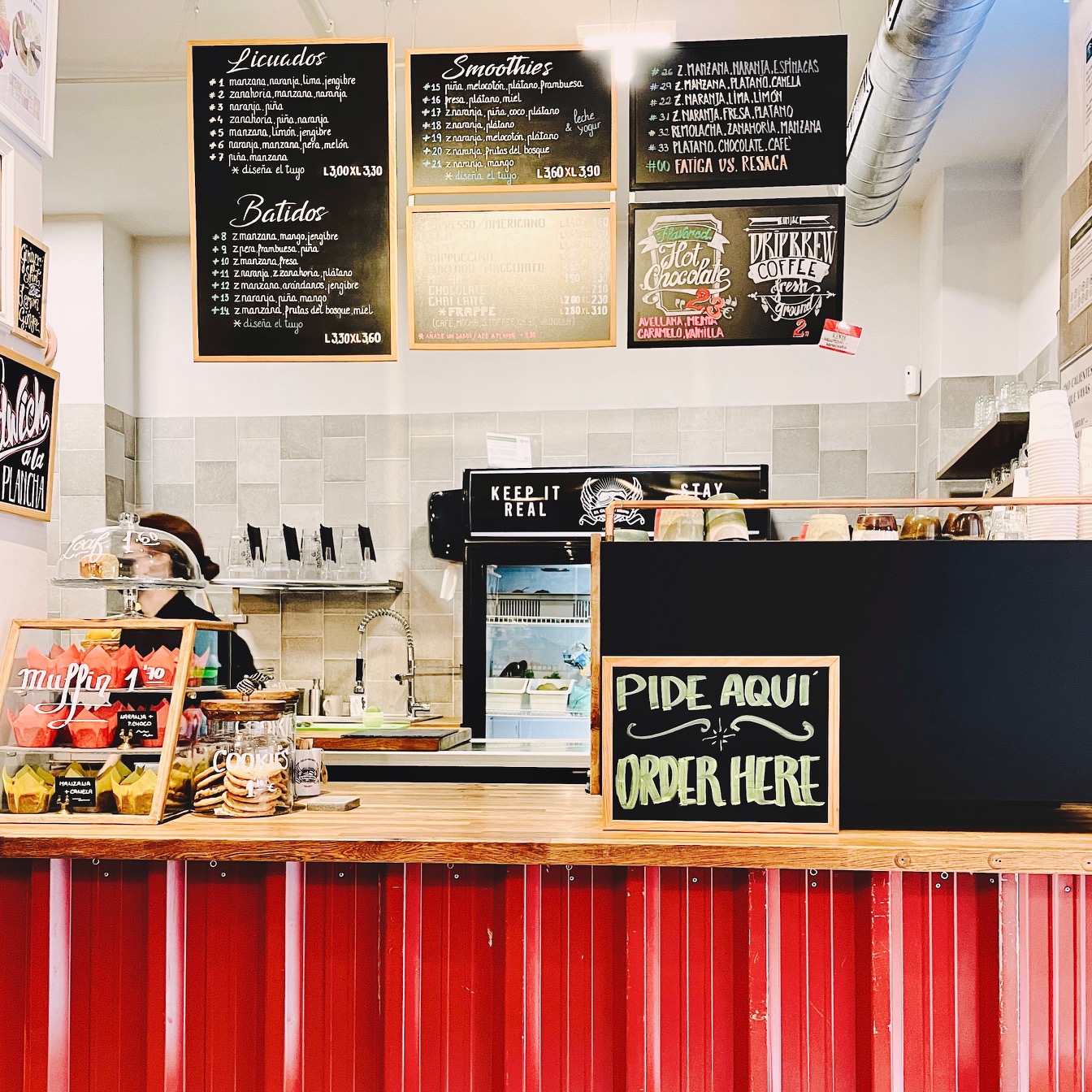
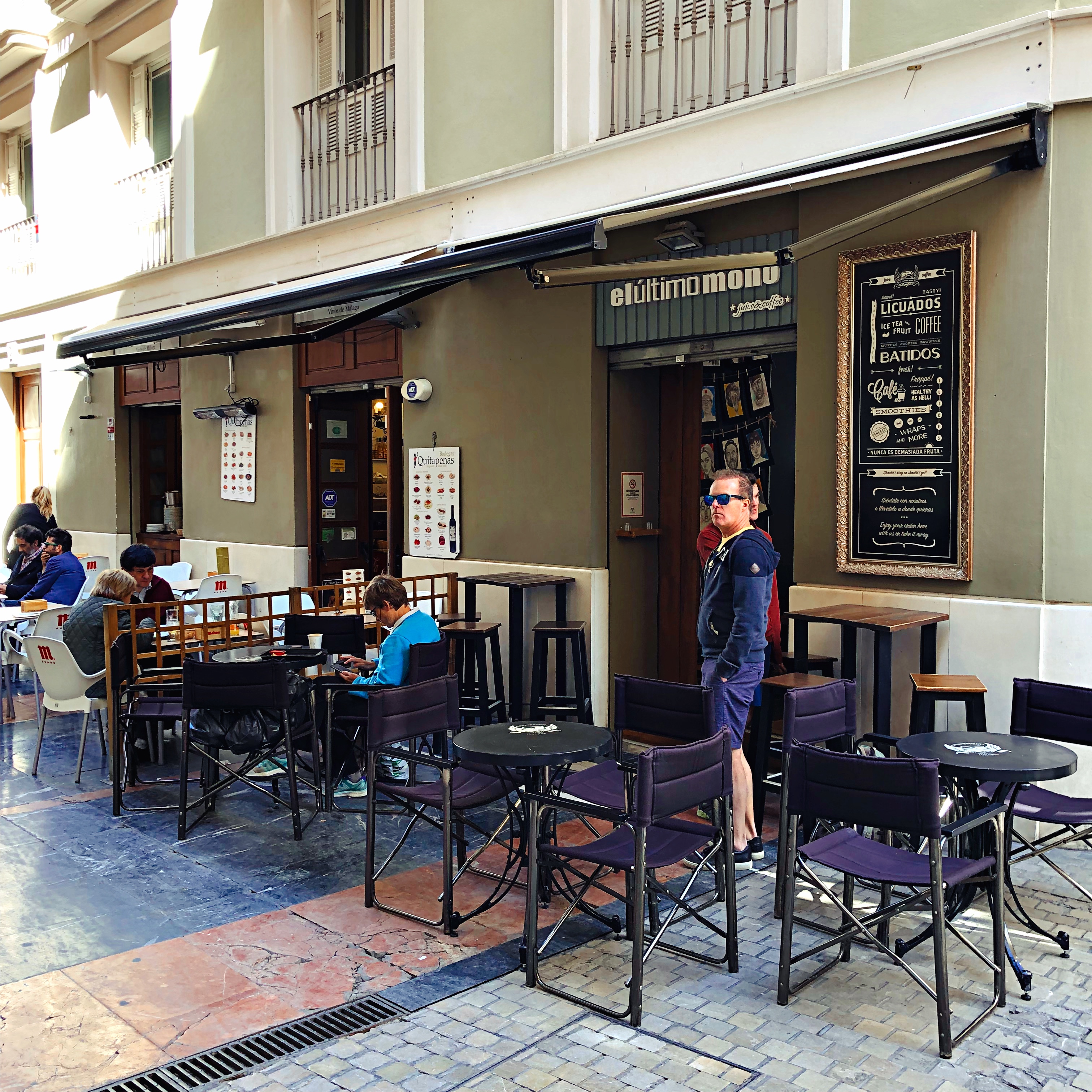
El Ultimo Mono translates as “the last monkey”, for reasons I still haven’t managed to figure out since I last visited Málaga. This was my go to place for coffee on the move on previous visits to Málaga, but like other venues in this guide it has moved location since I was there last. Its new home, tucked off a main street, slightly lacked the charm of its old one, but it’s got a little outside space and actually it had developed quite a nice cosy feel in the time between visits.

Anyway, the coffee is still rather nice and a sensible size for drinking on the go. And if you have it in, it comes in the most beautiful cups: I very nearly went up to the counter and asked where they’d got them from. A reminder of some of the stark differences between England and Spain came when I paid: even with the pound hardly storming against the Euro, two coffees here cost about the same as a single coffee from the likes of Workhouse.

El Ultimo Mono
Calle Duende, 6

9. Santa Coffee Soho

Soho, the triangular district south of the Alameda Principal, east of the river and west of the sea, is one of my very favourite parts of Málaga – full of good bars, restaurants and street art, home to both Meson Iberico and CAC, the modern art gallery. And Santa Coffee’s outpost there is a brilliant place to drink a latte and watch the great and the good bustling past. There’s also a branch close to the Mercado de Atarazanas, but the one in Soho captured my heart.

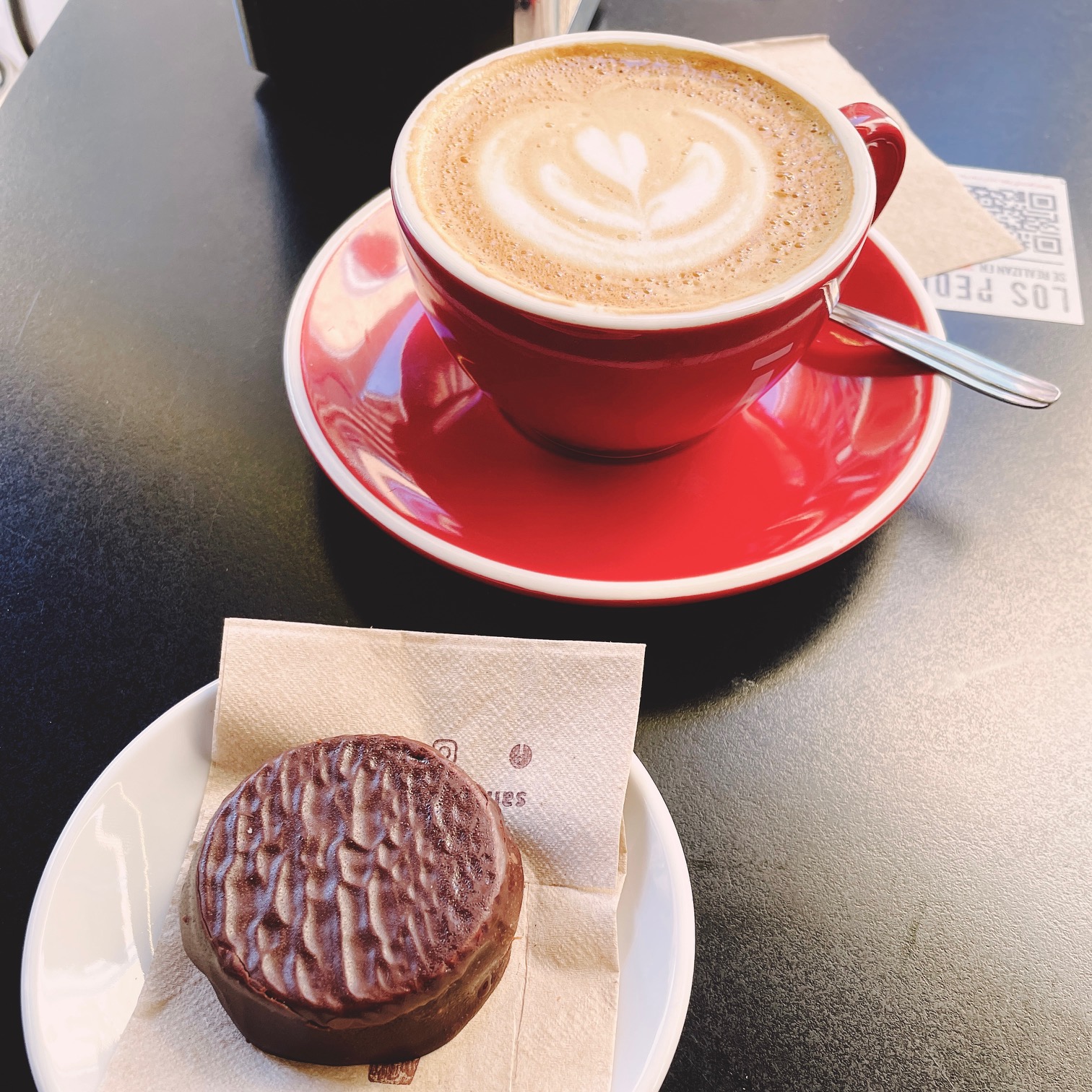
Santa was Málaga’s first micro-roastery, so you can buy beans on the premises, and lattes are a ridiculously affordable two Euros apiece with coffee from El Salvador, Ethiopia and Rwanda on my most recent visit. The food is also surprisingly good. I had a cracking savoury crepe with jamon iberico, parmesan and rocket on my final morning in the city but by then I’d become positively hooked on their alfajores – a sort of chocolate-coated dulce de leche biscuit slash cake which is what a Wagon Wheel would taste like in heaven.

Santa Coffee Soho
Calle Tomás Heredia, 5
https://santacoffee.es

(Click here to read more city guides.)

City guide: Bologna

Bologna is the city where I ran out of superlatives.

I’m used to picking city breaks on food and drink alone, doing plenty of research, booking restaurants and planning exactly where I’ll eat. I love traipsing round a cathedral, I like a gallery and I don’t mind a museum, but the food’s the thing I really make a pilgrimage for. And many of the cities still on my to do list are famous for their gastronomy – Lyon, for example, or San Sebastián. Bologna is in the same league, I think, and is a truly extraordinary place to eat and drink.

It’s beautiful, too. Miles of porticoes run throughout the city – some grand, some tatty but all offering shade when it’s sunny and shelter when it’s raining. The colour palette is like nowhere else I’ve visited – all reds, burnt oranges and dusky pinks. It’s a ridiculously photogenic place, but not picture-perfect and not remotely interested in being so pristine. It has far too much incredible life to it for that.

Bologna has many nicknames – la rossa, the red one, because of its red rooftops and communist history. La dotta, the learned one, because of its university, older even than Oxford. But more importantly, it’s called la grassa, the fat one, because it’s widely thought to be the gastronomic capital of Italy.

It’s in Emilia Romagna, the province of northern Italy responsible for Parma ham, Parmesan and balsamic vinegar. Bologna is also the place for pasta, whether that’s tagliatelle (never spaghetti) with rich ragu or tortellini in broth. And then there’s the local cheese, the mortadella, the wine, the growing craft beer scene; I’ve never been anywhere where food felt quite so front and centre in daily life, or anywhere where it was quite so easy to eat well.

It’s a real challenge to describe it without lurching into hyperbole, but what else can you do when you’ve eaten so many of your desert island dishes on one holiday? The best gelato, the best pasta, the best coffee… you come home feeling a little like you’ve gone from Technicolor to monochrome.

It’s not – at the moment, at least – a huge tourist destination: Rome, Florence and Venice are all far more fêted. But I loved it so much when I went last year that I went again this summer, and I loved it so much when I went this summer that I’m going again before the end of the year. If you’re considering a trip, I hope this list gives you some inspiration. Of course, once I come back from my next visit I might just have to add to it.

Where to eat and drink

1. Drogheria Della Rosa

I visited Drogheria Della Rosa on both my visits to Bologna and loved it both times although, on paper, it’s the kind of restaurant that could give buttoned-up Brits a panic attack. It’s a converted pharmacy, although generally you sit outside in the street enjoying the food, the buzz and the people-watching. The proprietor still stops at your table and asks what you want and – this is the bit which I found unnerving the first time – there’s no printed menu, wine list or prices anywhere to be seen.

Anyway, you soon get past that and everything I had there was terrific, from the ubiquitous tagliatelle al ragu to a veal dish my friend Al and I still rhapsodise over two years later (it wasn’t on offer on my second visit, to my eternal disappointment).

When you ask for a dessert wine they just bring over a bottle of Marsala and some glasses and leave you to it, another experience which is more fun the second time when you have a good idea how much the bill is going to be. But perhaps the best thing about Drogheria Della Rosa was the dessert – one of the simplest and cleanest I’ve ever eaten, a shallow bowl of pure, fresh mascarpone topped with top-quality grated chocolate. I daydream about that from time to time. I was having far too much fun to remember the size of the bill either time, but with a bottle of wine I don’t think it was far north of fifty Euros.

Drogheria Della Rosa, Via Cartoleria 10

2. Osteria Bottega

Osteria Bottega was probably the best of the many old-school restaurants I’ve tried in Bologna. I felt less likely to run into a group of Americans at an adjacent table (and they only had one person on the wait staff who spoke English) but if anything that made the whole thing more of a treat. It’s a nice, tasteful, reasonably basic room but the food is what stayed with me about my visit.

I picked this restaurant after a writeup on Andy Hayler’s blog. He’s an idiosyncratic reviewer – I always feel like he’s auditing rather than reviewing a restaurant – but he indisputably knows his onions and Osteria Bottega didn’t let me down. We started with a plate of aged culatello which could have matched any jamon iberico in Spain, served with slices of apple (a revelation) and plenty of Parmesan, because Parmesan is in plentiful supply in Bologna.

They just leave the bowl at your table, in fact – so unlike the stinginess here in Blighty – which enables you to finally work out the answer to the question how much Parmesan is too much Parmesan? (not that I ever reached a conclusive view on that).

It comes in especially handy with the tagliatelle al ragu, which was the best I had in Bologna – so intensely savoury, so rich, over so soon. Hayler says it’s a mixture of beef and pork leg that’s been cooked over an open fire, and he is the kind of man to check that sort of thing. Either way, I thought it was magnificent. The rest of the meal, for me, was marred by veal envy – my dining companion committed the unpardonable sin of ordering better than I did – but my rabbit porchetta was still a beautiful thing, even if it didn’t quite live up to the promise of the juxtaposition of those two words.

Osteria Bottega, Via Santa Caterina 51

3. La Verace

Another tip from Andy Hayler, La Verace is right on the edge of the city centre, not far from MAMbo, the modern art gallery. The gallery, like so many modern art galleries I’ve experienced on my trips to European cities, puts the f into art and isn’t necessarily worth visiting. La Verace, on the other hand, is well worth a detour.

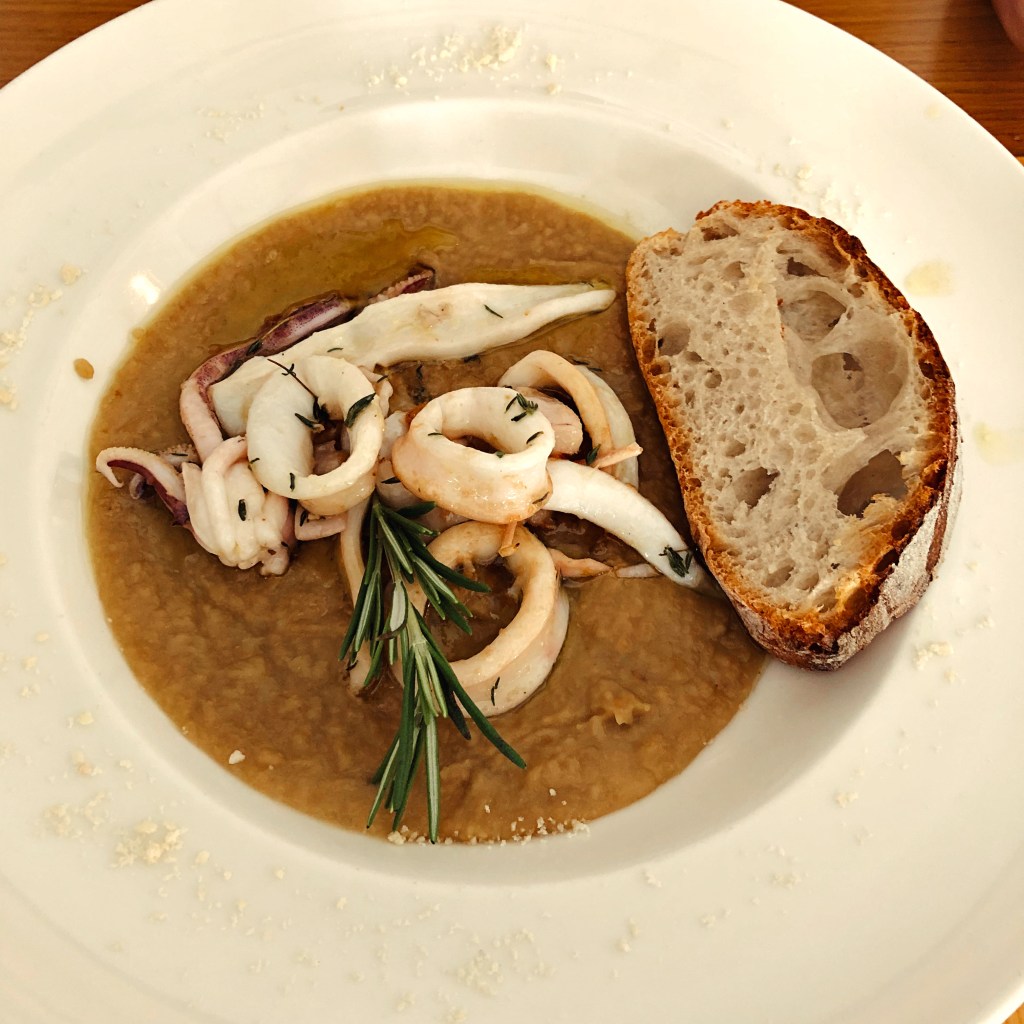
I came for the pizza and it truly was one of the finest I’ve had, with a perfect crust and a rich, almost fragrant tomato sauce. But actually, all the other dishes were even better – especially shedloads of tender squid served on a deep, earthy chickpea purée. I still occasionally go on – to anybody who will listen – about the oven roasted potatoes, salty and fatty with a slightly medicinal tinge of rosemary: one of the cheapest things I ate in Bologna and easily one of the most memorable.

Next time I’ll keep away from the pizzas and explore the rest of the menu: I suspect there are more works of art in it than you’ll find round the corner.

La Verace, Via Cairoli 10

4. Scacco Matto

It’s very difficult to have a bad meal in Bologna (I never managed it), and the majority of restaurants I ate in were brilliant and accomplished but resolutely unshowy. There’s an awful lot to be said for that, but if you do want to try something more cheffy and ambitious Scacco Matto is the place for you.

I went there after watching Rick Stein, on his Long Weekends programme, eating Scacco Matto’s plin, ravioli filled with sweet onion and Parmesan, glossy with butter and served with thick slices of wild mushroom and hazelnuts. I’ve ordered it on both my visits to Scacco Matto and it’s a death row dream of a dish, a dish with a half-life where you eventually keep eating half of what’s left, hoping you can somehow cheat the laws of the universe and make it last forever.

But other dishes are available, and they’re every bit as good. On my last visit I ate a single squid, scattered with peas and broad beans, resting on a thick slab of pork, in the same breathless rapture. I finished off with two beautifully rare tranches of tuna with ginger and mange tout, a dish with roots a long way from Emilia Romagna but somehow completely at home here.

When my friends and I all ordered the plin the waiter smiled and said “Rick Stein?” and I thought how nice it was to take someone else’s restaurant advice for a change. It’s hard to imagine a visit to Bologna where I didn’t eat at this restaurant – and if you want a pre or post-dinner drink Birra Cerqua, one of Bologna’s preeminent craft beer brewpubs, is two minutes down the road.

Scacco Matto, Via Brocaindosso 63

5. Sette Tavoli

I heard lots of recommendations for Sette Tavoli but, shamefully, the main reason I chose it was that it could be booked online (not all Bologna restaurants have embraced the Internet). It gets its name from only having seven tables inside, although on the day I ate there it was hot as balls (during the mini heatwave at the end of June) so we were out on the portico, trying to look unruffled, John Lewis portable fans whirring away like billy-o.

It has an attractive, short a la carte menu or you can pick one of two tasting menus centred around meat or fish. We went for the latter, accompanied with a very cold and crisp local white wine, and it was a properly lovely meal.

I enjoyed the fish encrusted in pistachio, served with a sweet and crunchy fennel salad, a clever bit of cooking on a dish delivered with minimum fuss or fannying about. But my absolute favourite was smoked salmon with ultra-caramelised onions and spuma di patate – the texture of creme fraiche but the distilled taste of spud at its most elemental. Nothing especially Italian about it, but who cares? It was nothing short of a magic trick, and yet another dish (Bologna is packed with them) that we talked about for days.

Sette Tavoli, Via Cartoleria 15/2

6. Simoni

One of the best things in Bologna is the Quadrilatero, the grid of streets just off Piazza Maggiore full of stalls selling pasta, cheese, meat, fish, fruit and vegetables. And, for me, one of the best things in the Quadrilatero is Simoni – if you get there early enough at lunchtime you can grab one of the tables outside, order a bottle of Lambrusco (the local wine which is red, chilled and therefore nothing like any Lambrusco you might have experienced at home) and make inroads into a menu full of cheese, charcuterie and bread. It truly is a happy place for me.

On a previous visit my friends and I demolished a selection of charcuterie and cheese – salami, Parma ham, a bunch of delicious cheeses whose names escape me and mortadella, the signature meat of Bologna which you have to try even if, like me, you have a vague suspicion of unreally-pink mystery meat. But on my most recent trip it was all about bread – first, squares of focaccia filled with beautiful scquacquerone, a gooey fresh local cheese a bit like the shapeless heart of burrata.

Even better was the porchetta panino, a beautiful thing stuffed with salty, fatty pork and studded with caperberries adding just enough acidity for contrast. Panini in the U.K. are just the way our awful coffee chains flog you a gooey, unremarkable toasted sandwich: having the real thing in Bologna was a true revelation. Either way, make sure you keep room for the tasting selection of Parmesan so you can try it aged for 18, 24 and 36 months: if nothing else, it will help you decide which kind to buy and cram into your suitcase on the way home.

Simoni, Via Pescherie Vecchie, 3/b

7. Cremeria Cavour

Pretty much any of the gelato you can eat in Bologna will ruin most U.K. ice cream for you for life (although I still have a soft spot for Jude’s salted caramel – available at Fidget & Bob and Nirvana Spa, fact fans). I made it a personal crusade to try as many places as I could: I loved Sorbetti Castiglione, just up the road from my Airbnb which did a fantastic gianduja gelato. I adored Il Gelatauro, where I managed to eat gelato and then follow it up with an affogato which was both enormous and itself 90% gelato – either a career best or a new low, depending on how you feel about gluttony.

But my favourite was the chi-chi Cremeria Cavour (which, confusingly, had changed its name since my first visit last year). Every single flavour I had was beautiful, from pistachio to fior di panna – pure cream, unadultered with vanilla or anything else. On my last visit I developed a serious addiction to their rum and chocolate gelato, one which can only be managed with further visits to Bologna. Sitting on a bench in Piazza Cavour eating gelato would, in most cities, be the standout gastronomic experience of a holiday but in Bologna, it has to settle for being first among equals.

Cremeria Cavour, Piazza Cavour 1D

8. Aroma

You’re not going to struggle for good coffee in Bologna, wherever you go. My weakness – which I was introduced to by my friend Al – is caffè al ginseng, which is hot, sweet, milky, comes out of a machine and would probably offend coffee purists everywhere.

Personally I often think the most fun you can have with a purist comes from irritating them. But if you are in the mood to try a more rarified coffee, head to Aroma. The interior is dark and, dare I say it, a tad dated, but the staff are fantastic and friendly, speak brilliant English and serve possibly the best coffee I’ve ever tasted. My friend Al sipped his espresso, gave a sigh which was 50% whispered prayer and 50% happy finish, and immediately ordered a latte so he could check whether it was as good. It was.

Aroma, Via Porta Nova 12/b

9. Camera A Sud

Pubs are wonderful things, but there is something about a properly great bar that is truly transcendental. I’m always on the lookout for them on the continent and some of my favourites – Ghent’s Gitane, Granada’s Potemkin, Porto’s Café Candelabro – are, to my mind, reason enough to visit their parent cities.

A truly great bar is a little scruffy and bohemian but never dirty. It has a hangdog charm that you simply can’t manufacture or fake, and we aficionados can always sniff out a fake (we get lots of practice in Britain, which so rarely gets bars right). It feels like a place you could nurse a coffee in the morning, enjoy lunch, drink before dinner or booze late into the night.

In Bologna, Camera A Sud was that bar. It was perfect for aperitivi, whether that was a perfectly cold beer, a glass of white or countless day-glo Aperol spritzes. The inside was scuzzy but uncalculated but sitting outside, as the shadows lengthened and people wandered past, was the perfect place to be.

Not only that, but the food was brilliant. Not a lot of cooking was involved, but the selection of salumi and mortadella wasn’t a million of miles from the quality at Simoni. The bruschetta – mozzarella and anchovy elevated by the genius addition of orange zest – was the kind of bar snack only a bar in Bologna would think of: I sent a picture to my friend Al and he recreated it at home the very next day.

The area around Camera A Sud is full of street art and intimidatingly fashionable, dishevelled people, beautifully boho and worth a wander, either with a camera or just with your eyes wide open. Just round the corner is another terrific-looking place called Caffè Rubik: I’ve made a note of it and I’ll try it next time, just in case it’s even closer to the Platonic ideal of the perfect bar.

Camera A Sud, Via Valdonica 5

10. Astral Beers

Both times I’ve visited Bologna I have been in the company of craft beer enthusiasts: Bologna is also at the centre of Italy’s burgeoning craft beer scene, and so there are plenty of places to try. More, in truth, than I have the stomach for, so I slightly lost interest in sitting on the pavement outside a place called Beer For Bunnies surrounded by the bearded and tattooed drinking something expensive and agricultural when I’d rather have been enjoying a really good glass of wine.

That said, some places were more my kind of thing. Birra Cerqua, which I mentioned earlier, was very nice indeed and Birra Baladin (which has a bar inside the Mercato Di Mezzo) makes some beautiful and unusual stuff. But my favourite was Astral Beers, not far from the famous towers, which felt a bit more grown up, a little less chin-strokingly post-rock and a lot more interested in being a bar where everybody could find something to enjoy.

The staff at Astral Beers have more than enough enthusiasm for their stuff to bridge any language gap, and I really liked all of the Italian beers I had there, whether they were more conventional Pilsners or some very striking sours. It has some tables outside but the inside feels more grown up than many craft beer places I’ve been to – which, like craft coffee places, can sometimes feel like a temple to chipboard. They also did some lovely, affordable and in some cases biodynamic wines.

I never ate there, but the dishes I watched arriving at other tables looked good enough to give me pre-dinner food envy. Happily, it only ever lasted as long as my walk to the next restaurant.

Astral Beers, Via Castiglione 13/B

11. Osteria Del Sole

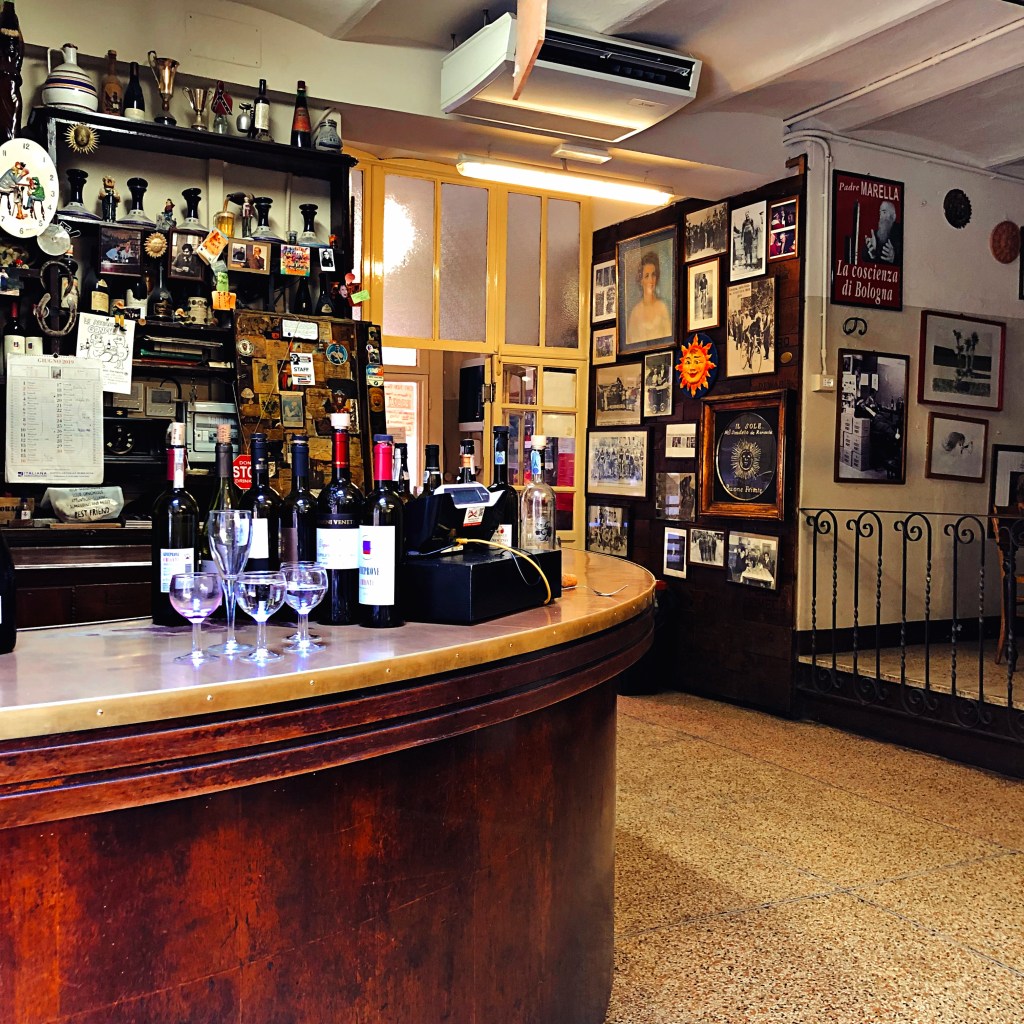
Confusingly, Osteria Del Sole isn’t really an osteria and doesn’t do any food. What it is, quite magnificently, is Bologna’s most venerable bar and dangerously close to an Italian take on an old man pub. The wine by the glass is perfectly pleasant – it’s a good place to try Pignoletto, the local sparkling white – and the Menebrea by the bottle is also serviceable, but really the atmosphere is the thing here. There’s also a little courtyard, although it lacks the battered grandeur of the interior.

Every time I’ve been, confusingly, many of the tables have been reserved (something which would never catch on in a British pub), but you can usually find some space. It has to be done, if just the once, and makes for a nice early afternoon pit stop before returning to the bustle, sights and sounds of the Quadrilatero.

Osteria Del Sole, Vicolo Ranocchi 1/D

12. Mercato di Mezzo and Mercato delle Erbe

A bit of a cheat lumping both these markets in the same entry, but both are absolutely worth a visit.

Mercato di Mezzo, in the Quadrilatero, is more like Market Halls Victoria (or what Reading’s own Market House desperately wishes it was), an indoor market with food vendors along both sides and communal tables in the middle. Everything I’ve eaten from there has been brilliant, whether it’s pasta accompanied with a local beer from Baladin, a slice of pizza grabbed on the run to munch on the way through the streets or a caffè al ginseng and a croissant packed with indulgent pistachio cream first thing in the morning. Visit, if only to see how far Reading has to go to even attempt to recapture the buzz of such a place done well.

By contrast, the Mercato delle Erbe – on the splendidly named Via Ugo Bassi – has a conventional market at its heart selling all sorts of wonderful fruit, vegetables fish and what have you (I picked up some fantastic truffle sauce on my first visit) and then, around the edges, there are lots of little restaurants with their own seating. I enjoyed a fantastic range of bruschetta on one visit, on another I went to Polpette E Crescentine, which does exactly what it says on the tin.

There are also some lovely bars where you can sit with a pre-dinner spritz, wondering whether snaffling a square of pizza would ruin your appetite and, just as importantly, whether it would be worth it (on balance, probably not, but you usually work that out the hard way).

Finally, it wouldn’t be a holiday without a souvenir. I always make sure I head to Formaggeria Barbieri in the Mercato delle Erbe, where they are wonderfully helpful and will vacuum-pack you massive pieces of Parmesan for your flight home. I managed to bring back two and a half kilos on my last trip (twenty-four month aged for everyday grating and forty month aged for best) and they even gave me a snazzy red tote bag which I prize far more than I probably should.

Mercato di Mezzo, Via Clavature 12
Mercato delle Erbe, Via Ugo Bassi 25

(Click here to read more city guides.)

Since January 2025, Edible Reading is partly supported by subscribers – click here if you want to read more about that, or click below to subscribe. By doing so you enable me to carry on doing what I do, and you also get access to subscriber only content. Whether you’re a subscriber or not, thanks for reading.

City guide: Granada

A more recent guide to Granada can be found here.

Everybody has their happy place, and the Spanish city of Granada is mine. I first went there around twenty years ago: I was visiting my old schoolfriend Mike (who actually crops up in this blog from time to time) getting over a disastrous relationship. He lived in Madrid, but for some reason we decided to take a very long coach trip all the way across the country to spend a couple of days in Andalusia. It’s the sort of thing you do in your twenties, I suppose, like sleeping on somebody’s floor or deciding that Batchelors’ Savoury Rice and a bottle of Mars Energy Drink constitutes an acceptable diet.

Anyway, I don’t remember much about that visit but I do remember Granada. Bar after bar, beer after beer, and free tapas with every one. Beyond that, my evening was a blur – we wandered through the winding lanes of the Albaicin, the city’s Moorish quarter up on the hill, and ended up in a nightclub in a cave until the small hours of the morning. Even in our mid-twenties we were probably too old for that sort of thing, and as the sun came up we sat outside Cafeteria Lisboa on Plaza Nueva (it’s still there) and had a beer for breakfast for the first and probably only time of my life. What a city! What a place!

Since then I’ve been back many times and what began as a passing infatuation has blossomed into a love affair. I worked out recently that I’ve gone on holiday to Granada more times than anywhere else – including four times in the last five years, believe it or not – and I never tire of it. It’s not the most beautiful of Spanish cities, I’m sure. It has a certain scruffy energy (which comes partly from its student population, I suspect) and it seems to attract a lot of day trippers who come to see the Alhambra and then sod off. You get a lot of American tourists at neighbouring tables, and I think it’s quite popular on the hippy trail – lots of white people with dreadlocks, if you catch my drift. But none the less, it remains my favourite city on earth.

It’s hard to put my finger on why, but tapas is doubtless a big part of it. On my first visit Mike told me that although tapas was an Andalusian invention it was only really in Granada that the bars prided themselves on providing it free of charge. Some of the tapas is really inventive, and the bar staff always seem to remember whether you’re on your first, second or third drink, bringing out a different dish to accompany each one. Once, on a night out in Granada with my old friend Dave, we ordered a couple of glasses of sweet, gloopy Pedro Ximenez only for the staff to bring out dessert tapas – two beautiful, perfect squares of cheesecake and two tiny forks (they may have thought we were a couple: it sometimes happens).

But there’s so much more to Granada than the food and the bars – lovely, sun-flecked squares perfect for sitting, drinking coffee and watching people, stunning buildings, bazaars and tea rooms, spellbinding Moorish architecture and whitewashed churches. I’ve been threatening to write a guide to Granada for years, and given that my most recent visit was on holiday back in May I’ll probably never have a better opportunity than this. I hope it tempts you – because there are few better feelings than getting off the plane and walking across the tarmac at Federico Garcia Lorca Airport knowing that you have lazy days of sunshine, tapas and relaxation ahead of you.

Where to eat and drink

I’ve grouped these together because, really, in Granada they go hand in hand so my recommendations tend to be tapas bars. Some of them do have tables you can sit at, or even book, but more often they are stops on a magnificent barhopping journey, joining the dots across the city and having a couple of drinks and some tapas in every one. If you do want a sit-down, starters-mains-desserts kind of place, Ruta del Azafran looks out on the Alhambra, has a lovely outside space on the Paseo de los Tristes and can be booked online: I very much enjoyed my chicken pastilla last time I was there. Or, if you want a proper gastronomic treat, book a table at El Claustro and enjoy the Andalusia-inspired tasting menu there.

Both have their place, but I’ve always found my best food experiences in Granada have involved using my elbows, standing up at the bar and being in the heart of proceedings. I thoroughly recommend giving it a whirl.

1. Bodegas Castañeda

I visited Bodegas Castañeda on my very first trip to Granada and I’ve been back on every single visit, frequently more than once. It’s now become the first place I eat when I get to the city, the gastronomic equivalent of Pope John Paul II kissing the tarmac. Confusingly, there are actually two Castañedas – the original bar was apparently split in two as the result of a family falling out – but the one on Calle Almireciros is the one you want. Stand at the bar, order a beer from one of the staff (who, incidentally, work like Trojans) and wait for your first tapa to arrive. Then, when you’re ready, dive into the menu: there’s manchego as gritty and crystalline as any Parmesan; broad beans with big chunks of super-savoury jamon; thick, salty slabs of bacalao swamping slices of bread; mojama (sun dried tuna) drizzled with olive oil and scattered with almonds.

On the last full day of our holiday, we managed to grab a table in the sunshine outside amid all the bustle and feasted on platters of cured fish with asparagus, capers and caviar, patatas a lo pobre with sweet onion and several glasses of cold, crisp beer. We experienced one of the great uncharitable pleasures of eating in restaurants, namely watching people being turned away from the place where you’re eating because there’s no room left. Even without taking that into account, I felt like I was at the very epicentre of my happy place.

Bodegas Castañeda, Calle Almireciros, 1-3

2. Taberna La Tana

La Tana is the place to enjoy wine in Granada, a beautiful little place on the edge of the Realejo, the city’s liveliest and scruffiest district. It’s a tiny room, and people often spill out onto the street outside, but if you can get there early enough to grab its only table you do feel like you’ve won the lottery.

All the wines by the glass are quite outstanding but, as so often, the food is what transforms the experience. I still dream about the black pudding here – sweet, fragrant morcilla de Burgos served hot and topped with pine nuts. They also, incongruously, do some of the best guacamole I’ve ever tasted: you often get it as a tapa with drinks but if not it’s well worth ordering it in its own right. La Tana isn’t an unsung a place as it was when I first started going there, so prepare to hear a lot of American accents. It’s worth it, though.

Taberna La Tana, Placeta del Agua, 3

3. Saint Germain

Saint Germain always feels to me like what would happen if Granada and Paris had a beautiful child – it’s a tapas bar, yes, but with an impressive range of wine and, oddly, a Marcel Proust theme which extends all the way through to the menu. Much of the food is good enough to induce a madeleine moment many years later, too – on my last visit I really enjoyed the chorizo in honey (not a combination I’d had before) but I absolutely loved the blue cheese and wild mushroom risotto: even typing this makes me remember that divine combination of salt, starch and tang.

The staff here were lovely and friendly in the face of my stumbling Spanish, too – even more so than elsewhere in Granada. The tables outside are terrific, and badly needed in summer, but the interior is wood-panelled, conspiratorial and definitely lends itself to conversations, even ones not about À la recherche du temps perdu.

Saint Germain, Calle Postigo Velutti, 4

4. Bar Aliatar Los Caracoles

I always make time to explore Granada’s Albaicin when I visit the city (see Things to see and do, below, for more about the Albaicin) but in the past I’ve always struggled to find somewhere nice to eat around there. Los Caracoles on Plaza Aliatar was a very welcome discovery on my last visit – a lovely dappled square and an appealing menu made for a perfect lunch spot.

Caracoles means snails, and they are on the menu (many tables seemed to be having them as tapas) but if, like me, you’re not a fan there’s plenty to enjoy. I had some gorgeous hand-carved jamon and a big bowl of broad beans with (more) jamon, served with an egg on top, waiting to release its yolk into the rest of the dish. This was also my favourite people-watching spot: I became fascinated by a pair of dapper old gentlemen – Panama hats and all – at the next table eating, drinking and waving their hands around. I couldn’t decide whether I wished I could eavesdrop on them or whether knowing what they were saying would have killed the magic.

Bar Aliatar Los Caracoles, Plaza Aliatar, 4

5. Mercado de San Agustin

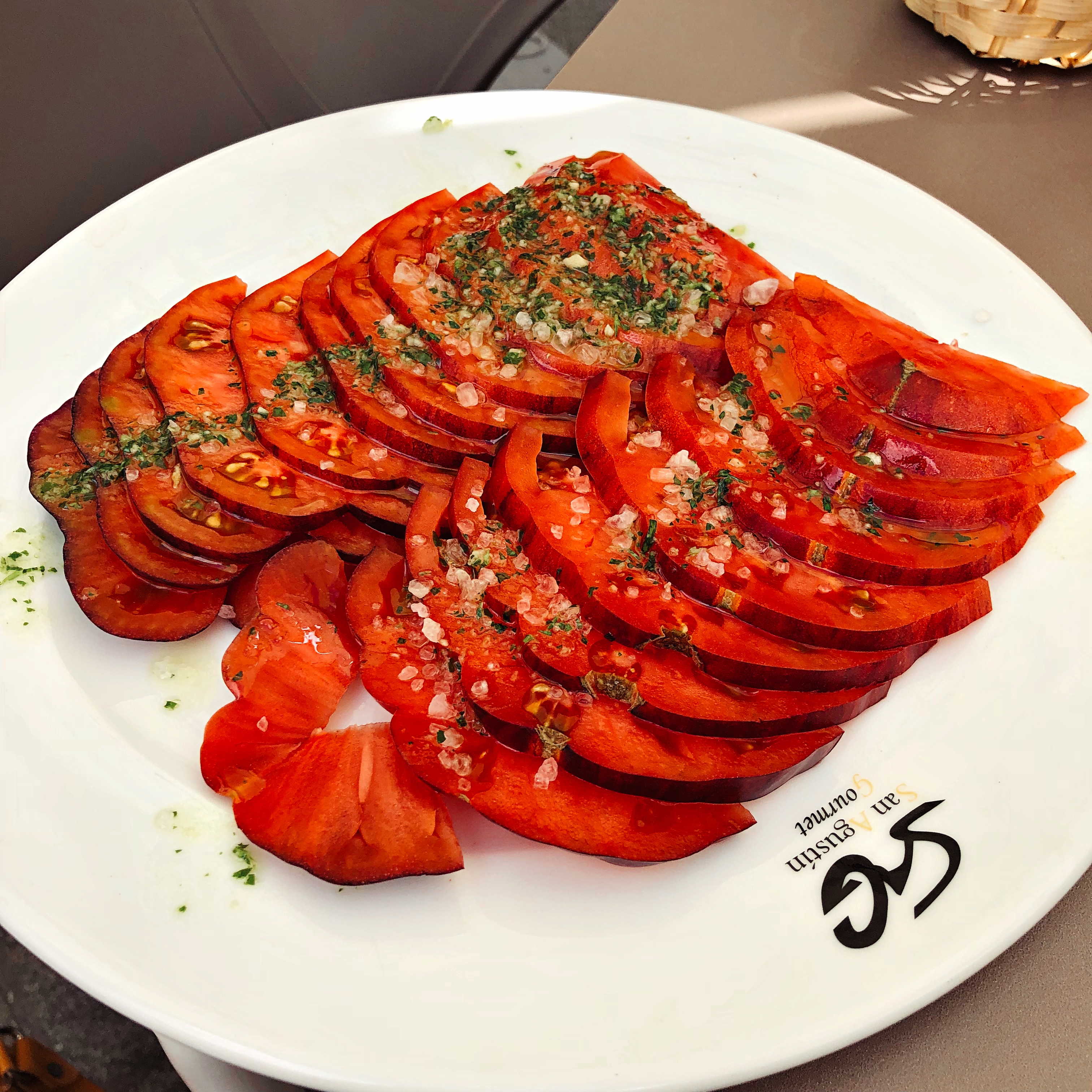
Although less developed than, say, Malaga’s market, I really liked the Mercado de San Agustin. There are plenty of stalls inside selling meats, cheeses, wine and all the other usual suspects, but I loved sitting outside and ordering from a menu in the sunshine.

I ended up eating there twice, so much did I enjoy it, and everything I had was near perfect – whether it was swordfish or bacalao straight off the plancha, perfectly cooked and drizzled with oil and herbs or baby squid piping hot and waiting to be dressed with freshly squeezed lemon juice. But the revelation was tomatoes aliñado, huge things cut into slices like steaks, beautifully sweet and dressed with olive oil and big salt crystals, one of the most magical things I ate on my tip. It made the bland polytunnel tomatoes we get in the U.K. feel halfway between a disappointment and a national embarrassment.

Mercado de San Agustin, Plaza de San Agustin

6. Potemkin

Potemkin, a little bar in the Realejo district opposite the modern language school, was a real find on my last visit. It’s in a pretty square, the service is excellent and best of all, on Wednesdays they serve sushi – and that means sushi tapas, too.

When my caña arrived with some beautifully made avocado maki, I was both baffled and delighted. By the time the next one was brought to the table with some salmon nigiri, I was convinced that sushi and tapas was the combination the world had been waiting for. The tapas was more conventional, but no less delicious, on a return visit: by then I was daydreaming about living in a world where a bar like Potemkin was just around the corner.

Potemkin, Placeta del Hospicio Viejo, 3

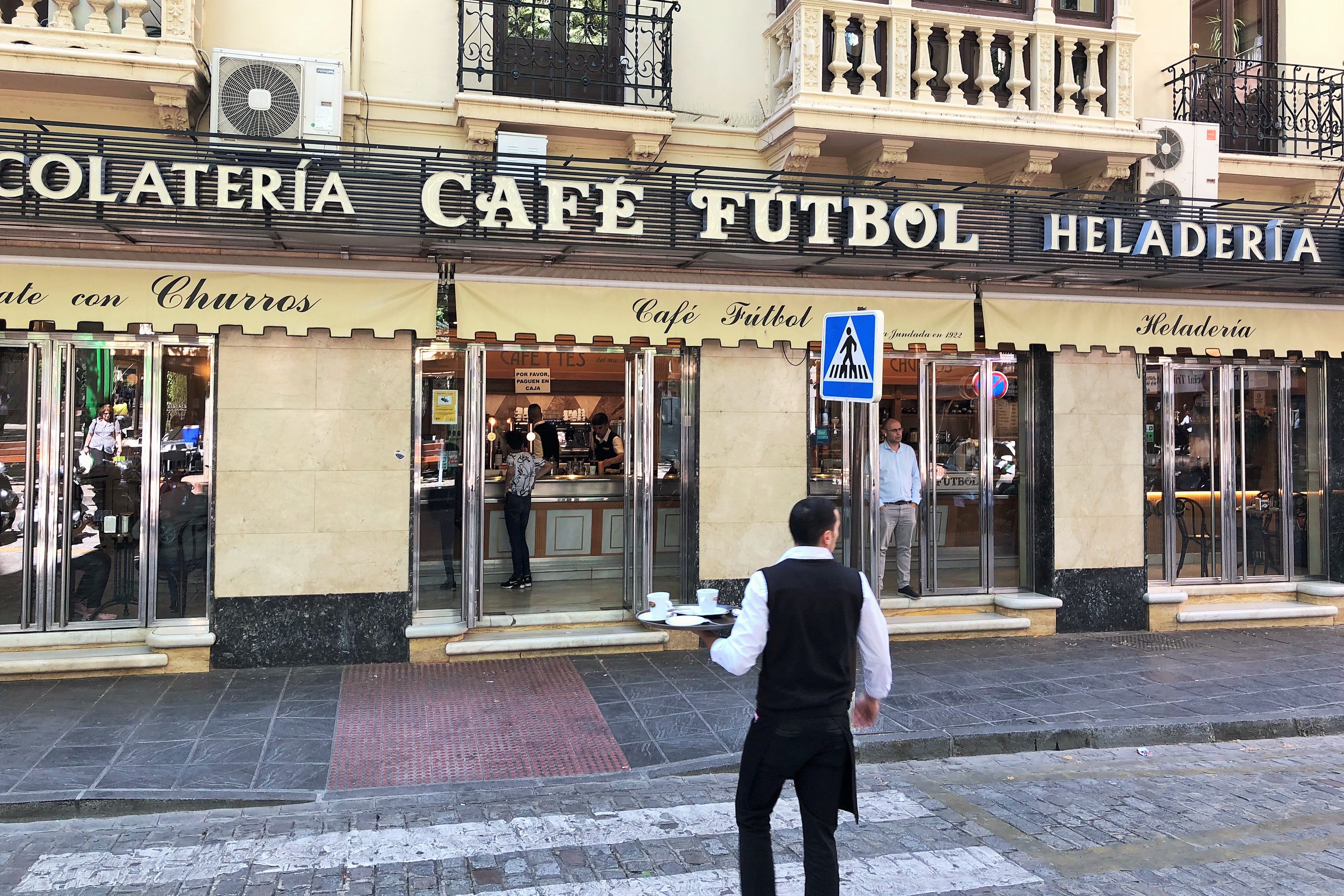
7. Café Futbol

Breakfast in Granada means churros, and churros means Cafe Futbol (although Gran Cafe Bib-Rambla, in the more central and splendidly-named Plaza Bib-Rambla, is also worth consideration). Sitting in the square outside with half a dozen churros, a zumo de naranja and a café con leche sets you up perfectly for the day, and Café Futbol does them better than anywhere else I’ve found. The batter is perfectly sweet yet salty, and although lots of people like to dunk them in thick, gloopy chocolate I prefer to empty the contents of a sugar sachet onto my unused saucer and gently dab them in that, giving just a little crunch and sweetness. It’s not infra dig to dip them in your coffee, either, if you ask me.

Cafe Futbol, Plaza de Mariana Pineda, 6

8. Los Italianos

Only open during the summer months, Los Italianos is Granada’s legendary gelataria, conveniently located on Gran Via, pretty much opposite the cathedral. It says something about the time of year I usually visit Granada that my recent trip was the first time I’ve ever gone to Los Italianos (and the second, and the third). It’s proper old-school cool: I suspect they have been operating pretty much the same way for decades and the gelato, although maybe not hitting the heights of Italy, is still bloody marvellous and deeply welcome on a hot day (when not in Rome, and all that). I loved the gianduja gelato – enough to have it more than once – but the salted caramel was also very nice indeed.

Los Italianos, Calle Gran Vía de Colón, 4

9. Noat Coffee

You can get a café con leche or the like pretty much anywhere in Granada, and I’ve always thought they’re one of life’s great pleasures when you’re on holiday in Spain. But if you do find yourself craving a more refined, delicate coffee more reminiscent of a Tamp or an Anonymous, Granada has a few really good options.

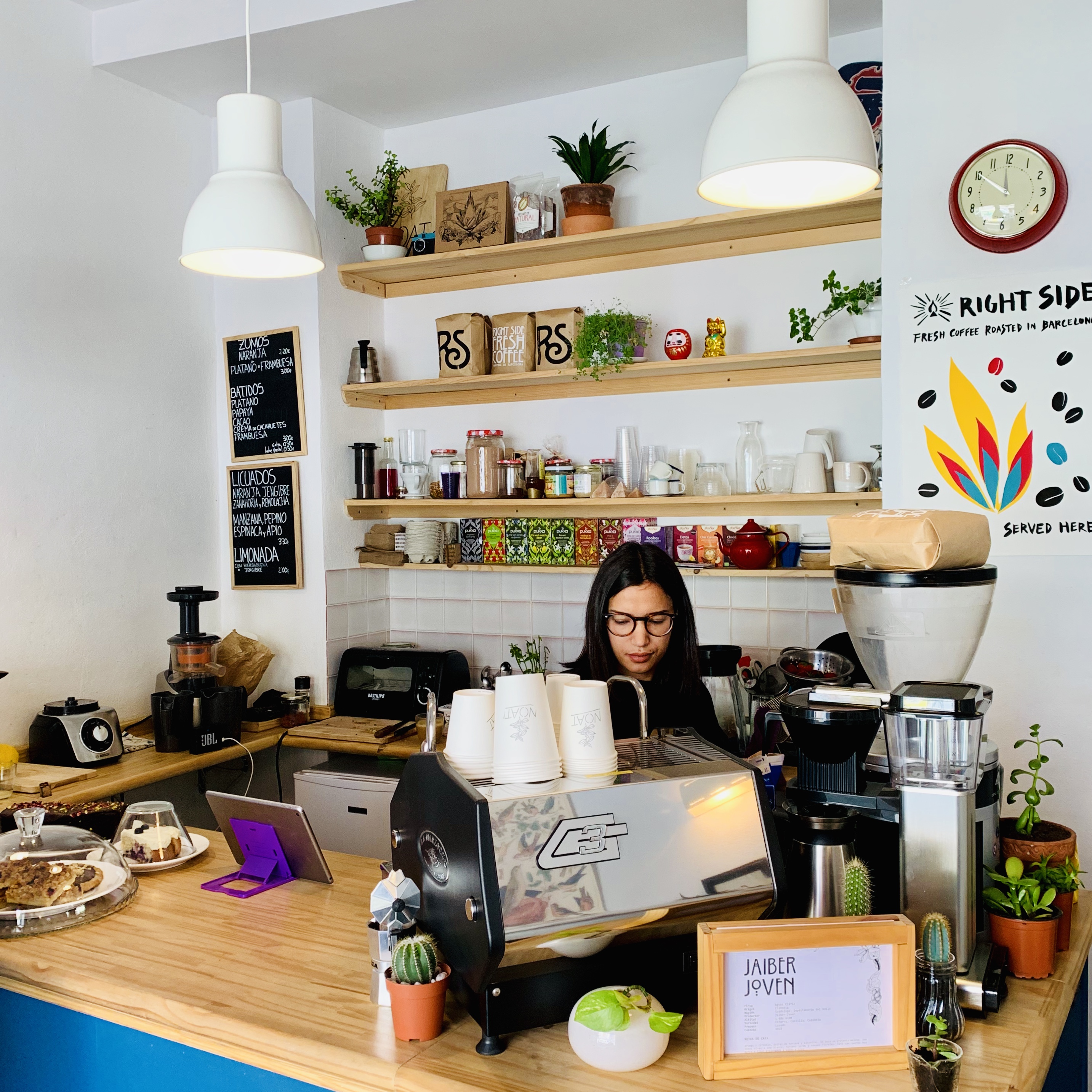
La Finca near the cathedral is excellent, and I rather enjoyed Dulcimena Coffee in the heart of the Realejo, but my favourite was Noat, a really sweet little café also in the Realejo. They are really friendly, they serve superb latte and although they only have a handful of seats inside there’s a bench out front where you can drink your coffee and watch the city beginning to wake up from the night before. Highly recommended.

Noat Coffee, Calle Santa Escolastica, 7

10. Capitán Amargo (previously Colagallo)

Granada’s craft beer scene is very much up and coming, but Capitan Amargo, in the Realejo, is at the heart of it (it’s the only bar in Granada on Untappd). It’s more polished than some craft beer pubs I’ve been to in Spain, and it had an impressive array of beers from Spain and beyond (Belgium and the U.K., unsurprisingly, also get a look in). We tried a couple, from Basqueland Brewing and local brewery Sacromonte and loved them both.

Craft beer must be a tough sell in Granada of all places, where an Alhambra is not only as cheap as chips but usually accompanied by free food, but the tapas in Capitán Amargo were also substantial and very tasty, especially the empanada I had. Service, as it nearly always is in craft beer places, was really charming, engaging and enthusiastic. He wanted to know what we made of the beers and once he had established that we were English he wanted to talk about our dealings with Europe (Liverpool FC, thankfully, rather than fucking Brexit).

Capitán Amargo, Calle Molinos, 28

Things to see and do

1. The Alhambra

The Alhambra is probably the single reason most people visit Granada, and it’s quite possible that many tourists bus in, visit the Alhambra, get back on the coach and head on elsewhere without ever seeing the city. It’s a whole complex of palaces, gardens and fortifications and you really do have to visit it if you ever go to Granada (and if you do, be warned: you need to buy tickets online some way in advance). Although the gardens are beautiful and peaceful and some of the other palaces are either grand or charming, the real attraction here are the Nasrid Palaces, a succession of increasingly beautiful courtyards and halls, patios and fountains.

Many words have been written about the Alhambra by many people, and I don’t think a couple of lines by a restaurant reviewer are going to do the place justice – none of my photos of the place, taken over the course of over a decade, do either. All I would say is that every time I go I see something new, and get lost in it all over again, from the beautiful, intricate carvings to the gorgeous tile work, the breathtaking ceilings and the stunning arches. The views out across the Albaicin are amazing, and even the tourists crawling round every inch of it can’t detract from its majesty. I’ve been to very few tourist attractions in my life that even come close to living up to the hype. The Alhambra easily does all that, and more besides.

2. The Albaicin

The Albaicin, the old Moorish quarter of the city, is on the hill opposite the Alhambra and is itself a UNESCO World Heritage Site. It’s a lovely place to wander and explore, all winding steep lanes and whitewashed houses with courtyards resplendent with flowers. One of the focal points is the Mirador de San Nicolas, with its iconic view out across to the Alhambra (and, usually, quite a lot of people selling beads/sporting dreadlocks/playing Bob Marley songs on a guitar). If you want a better view of the Alhambra the trick is to nip next door to the tranquil mosque, where you get the same vista but with a welcome added dose of dignity.

Half the fun of the Albaicin is getting lost in it, but it’s also worth checking out the gorgeous whitewashed church of San Miguel Bajo (and having a beer in one of the places in the square outside) and picking your way through the streets leading off the buzzing (if unfortunately named) Plaza Larga. It’s also worth mentioning the streets which lead up into the Albaicin from the city centre, Caldereria Vieja and Caldereria Nueva, because they are lined with tea houses or teteria. It’s well worth stopping in one for a fresh mint tea, poured into tiny glasses with some ceremony from a great height, or té Pakistani which is sweet, perfumed and milky like chai. As Sirat is my favourite teteria, but any of them is worth a visit.

3. The Monastery of Saint Jeronimo

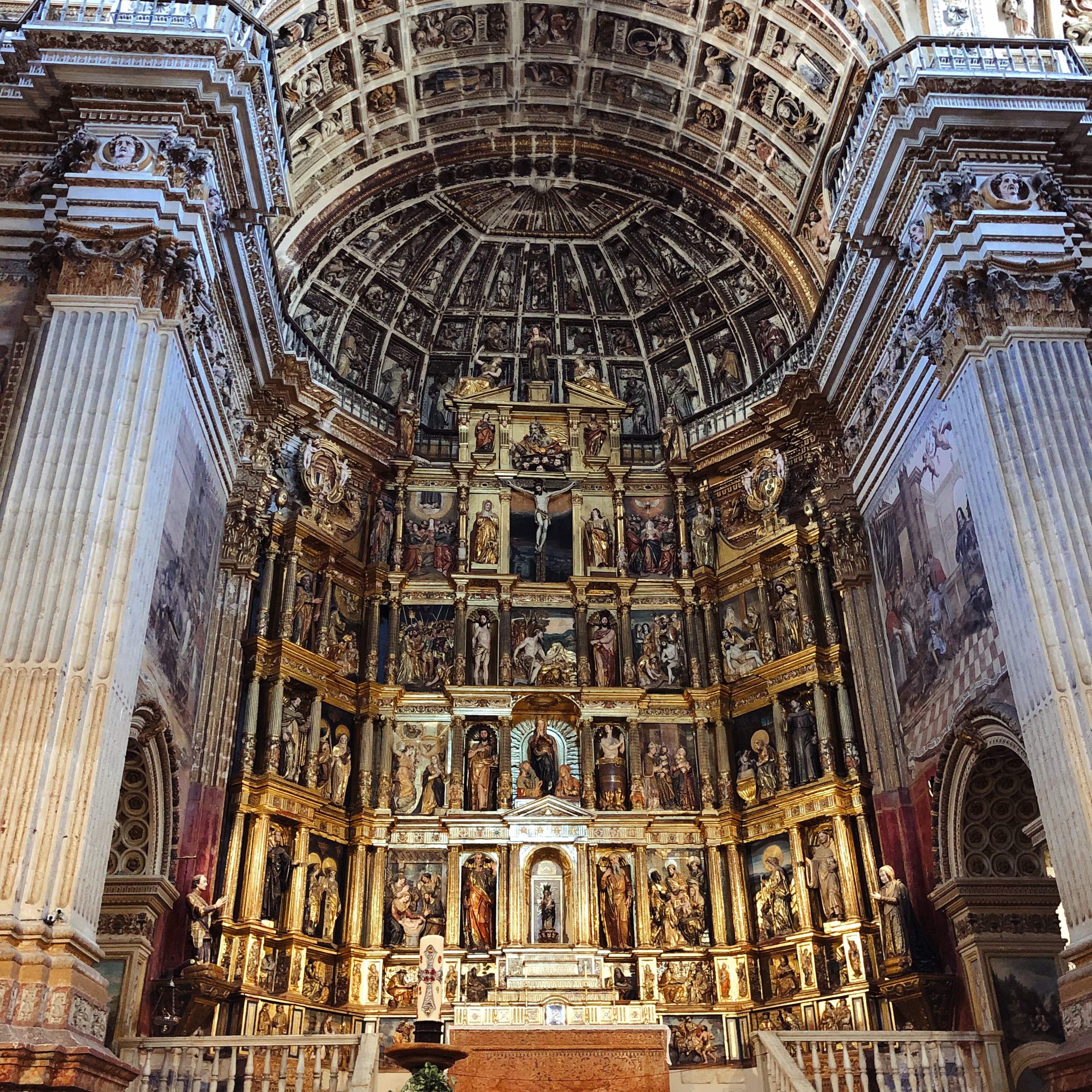
The most famous monastery in Granada is La Cartuja, the Carthusian monastery quite a way out of the city. But I have a real soft spot for the monastery of Saint Jeronimo, which is a ten minute walk from the cathedral. It’s unassuming and modest at first, and walking round the cloisters, smelling the orange trees in the courtyard, you could be forgiven for wondering what the fuss is about. But the chapel, and more specifically the altarpiece, is one of the most incredible and overblown things I’ve ever seen. The photo above doesn’t come close to doing it justice and even after countless visits it never loses its power. One of my favourite things about introducing new people to Granada is taking them to the monastery, showing them the chapel and watching them try not to swear in a house of God.

4. The Alcaiceria

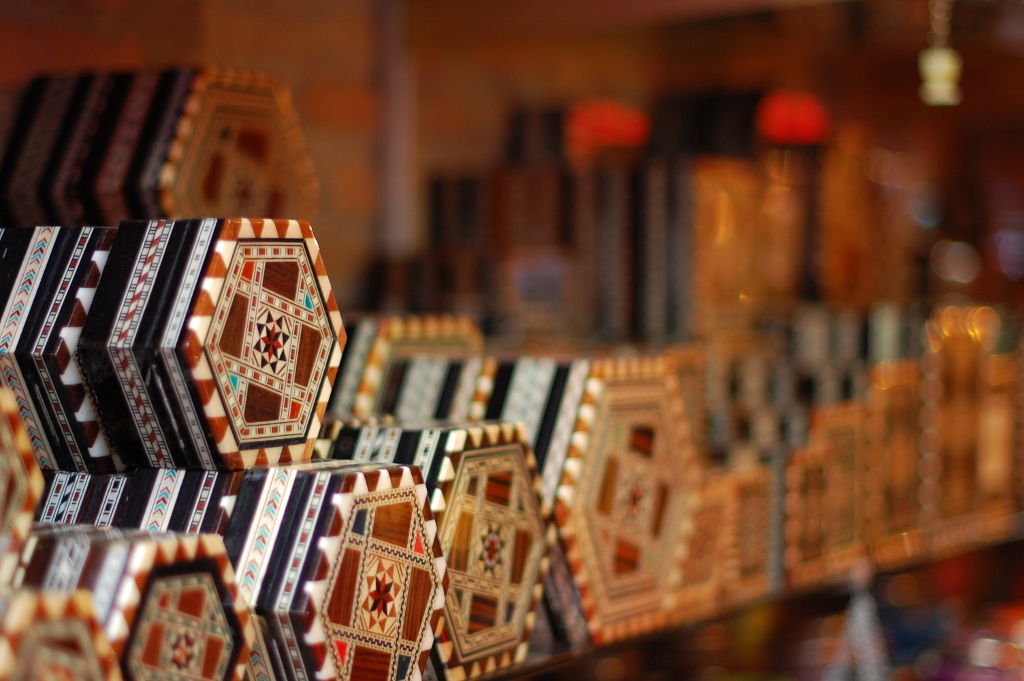
Not far from Granada’s handsome cathedral (also worth a visit, come to think of it) the Alcaiceria is a little maze of passages offering a miniature equivalent of Istanbul’s Grand Bazaar. It’s a nineteenth century replacement for the fifteenth century original, which was destroyed by fire, and although many of the shops sell very similar goods (lots of lanterns, leathergoods and marquetry – wooden inlaid boxes) it’s a very pleasant way to amble and window shop. You don’t get hassled or invited to haggle as you would in the Grand Bazaar, either.

5. Patio de los Perfumes

Granada isn’t rife with shopportunities, although I always love a pootle round its branch of El Corte Ingles, complete with its slightly preposterously named Club Del Gourmet in the basement (you can imagine Frasier and Niles buying their sherry there). I do love Rafael Moreno Orfebre, an old-school shop that sells silver jewellery inspired by the intricate designs of the Alhambra. But my favourite shop in Granada is Patio on the picturesque Carrera del Darro, a museum of perfume which also sells beautiful fragrances based around the signature aromas of the city – so you can expect plenty of jasmine, orange blossom and pomegranate. I came away with a bottle for me and a couple extra for my friends.

Patio de los Perfumes, Carrera del Darro, 5

(Click here to read more city guides.)

City guide: Málaga

A more up to date city guide to Malaga, from 2024, can be found here.

I first visited Málaga in late 2016, on an unsuccessful holiday with a vegan girlfriend. Going to Spain with a vegan was almost as bad a decision as going out with the vegan in the first place, but even as I returned home, lessons learnt, I had a feeling Málaga and I had unfinished business. The thing I’ve since discovered about Málaga is that there are two kinds of people: people who’ve never thought of visiting it, and people who have been, loved it and are keen that not too many people find out about it.

I should start with an apology to the second kind of people, because it really does deserve to be better known. It’s compact, it has a beautiful historic centre, loads of art galleries (covering traditional and more modern forms), a waterfront with a beach close by, excellent shopping and terrific street art. Returning this month with my other half and some friends, enjoying temperatures of nineteen degrees in March and seeing the sun again, I got the feeling of barely scratching the surface.

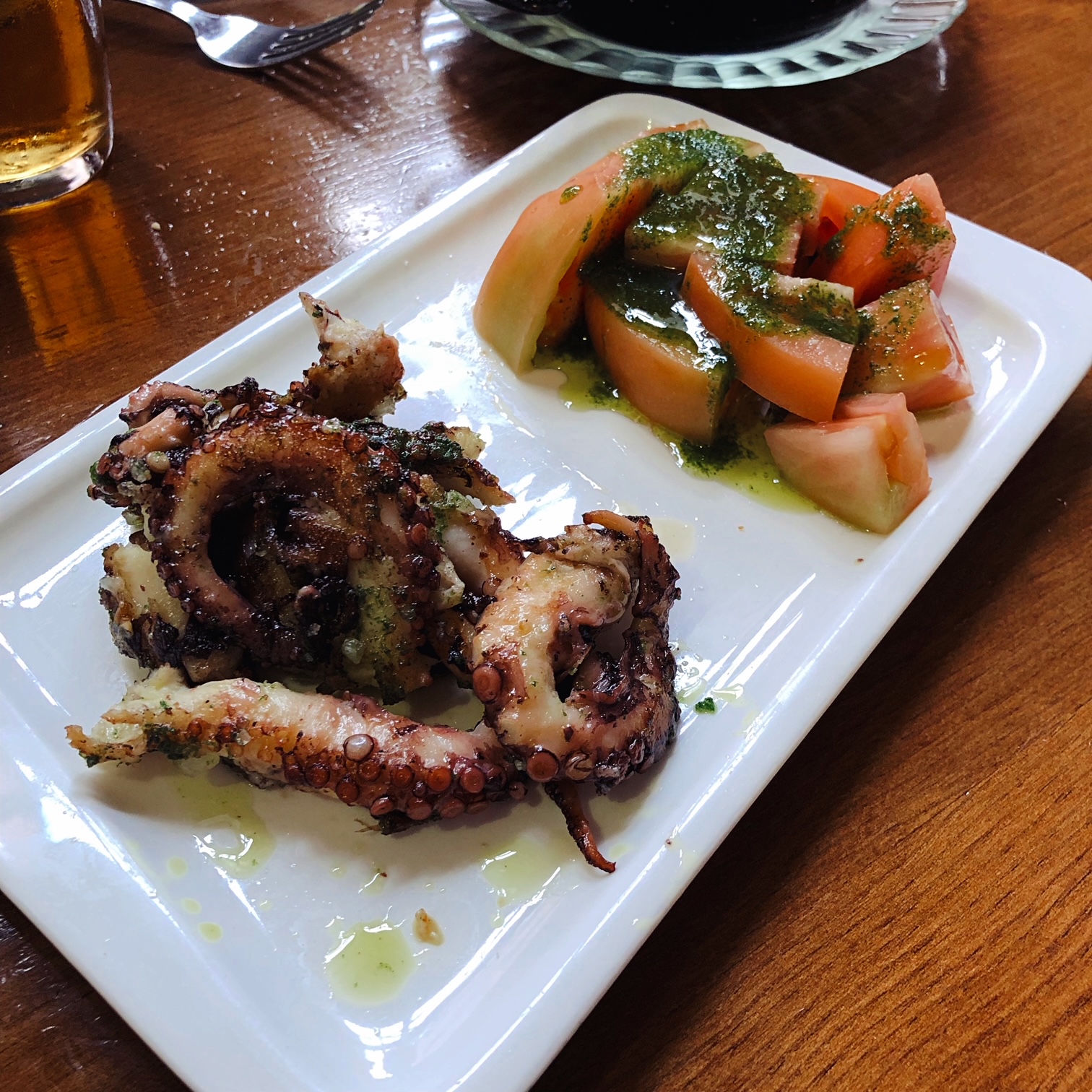
It’s almost like they plonked a miniature Barcelona in Andalusia, with all the gastronomic benefits of being in that blessed region. And my goodness, the food! I ate better than I can remember on any holiday – not just the obvious stuff like jamon, queso and churros but beautiful, inventive tapas, fresh, superbly-cooked fish and seafood, stunning burgers (yes, burgers) and so much more. I’ve always thought any day where you get to eat octopus is a good day: on one day in Málaga I managed to eat it for lunch, dinner and an afternoon snack, and that felt pretty unbeatable to me.

My other half is not known for her delicate language, but I lost count of the number of times she tried her first mouthful of a dish and said “fuck!”, almost involuntarily. My friend James, a fellow Málaga fan, has been every year since 2016 and even before heading home I think both of us were mentally planning our next visit. I hope this piece persuades you to consider it next time you’re planning a city break of your own.

Where to eat

1. Taberna Uvedoble

I spent my birthday in Uvedoble this year, and a better place to celebrate is difficult to imagine. It’s a modern tapas restaurant close to the cathedral and the vast majority of the menu is available either as a tapa, media or racion depending on how hungry or inquisitive you are and how many of you there are. On our visit we swooned over baby squid served on a nest of squid ink fideua, a giant lake of aioli on the side. Oxtail albondigas were also phenomenal, the juices soaking into a bed of skinny chips.

But the small dishes were every bit as astounding – individual hamburgers cut with foie gras, lending a powerful punch like nothing I’ve eaten before, or miniature brioches hollowed out and completely crammed with shredded suckling pig. The truffled tortilla was so big we had to take half of it back to the apartment with us, and the red wine (Seis y Seis, from nearby Ronda) was magnificent – and ridiculous value at eighteen Euros. Dinner for three, in fact, came to less than a hundred Euros between the three of us – and if you need any more incentive to go to Málaga, bear in mind that this was easily the most expensive meal of the whole holiday.

Uvedoble was so good that we returned for lunch on our final day, so that Liz (who had arrived late) didn’t miss out on the food. Determined to try other dishes, we devoured stunning grilled asparagus with romesco, clean delicate ensaladilla Rusa, flamenquin all crisp with breadcrumbs and oozing with cheese, and so many other amazing dishes. We got there at 1, when they opened, and within about half an hour the place was rammed. “More 10 out of 10s than anywhere else we’ve been” was James’ verdict. My other half’s verdict? “Fuck.”

Taberna Uvedoble, Calle Cister, 15

2. El Tapeo de Cervantes

Easy to be confused – there’s also La Taberna de Cervantes, Vineria Cervantes and El Meson de Cervantes – but El Tapeo de Cervantes is the one you want, a small, intimate place with high tables, a regularly changing menu and absolutely charming staff where I had one of my very favourite meals of this or any year. You order lots of dishes – easily two per person, more if you’re greedy – and they pace your meal perfectly, bringing them out one at a time like a gastronomic firework display.

This was James’ suggestion, and he evangelised about it from the off before getting nervous that it wouldn’t live up to the hype (a feeling I know better than he realised). But he needn’t have worried – everything was so good that it was difficult to pick out highlights. Duck cooked so expertly that it was more like fillet steak, slow-cooked pig’s cheek in a rich stew topped with fiery guindilla chillies, intense sweetbreads with the crackle of salt crystals served on crisp cubes of potato, soft tender octopus offset with smoked mash, every single dish every bit as good as the last.

But the humdinger, a dish which reduced James to wordless rapture, was secreto iberico: pink and tender, scattered with salt and served with a sweet pineapple relish which shouldn’t work but did. Boy, if only Hawaiian pizzas were like that. We had everything with a couple of bottles of Orben, a magical rioja which, I’m told, you can get on Amazon Prime (what will they think of next?). It was a meal I’ll remember for quite some time, and it cost just shy of thirty Euros per head.

El Tapeo de Cervantes, Calle Carcer, 8

3. Wendy Gamba

Processed with RNI Films. Preset 'Agfa RSX II'

We had lunch at Wendy Gamba, in the heart of the old town, and I could happily have eaten there again for dinner, lunch and dinner again. In a gorgeous, tiled, relatively traditional room we had some of the finest dishes of the entire trip (but for the fact that you could also say that about all the other places on this list). The signature dish here is the bull burger, a miniature burger with slow-cooked oxtail which matched any burger I’ve ever had, but other dishes gave it a run for its money. I especially loved the octopus with plenty of char and salt, prawn and avocado pinchos topped with strands of saffron and gambas pil pil in a brick red oil steeped with sweet slices of garlic. A generous lunch for four came in at under eighty Euros. We walked past the following evening and, unsurprisingly, the place was completely packed: best to reserve a table if you’re going there for dinner.

Wendy Gamba, Calle Fresca, 10

4. Meson Mariano

Meson Mariano is a very traditional, family-run restaurant, all dark wood and beams, a million miles away from the clean contemporary look of Taberna Uvedoble. My holiday companions were a little (well, quite a lot) younger than me and when we went to Meson Mariano they described themselves as “turnt up to the max”, whatever that means. Regrettably, this means we didn’t order the full three courses – but it also means that they were so full that I managed to try a little bit of everybody’s meal and confirm my suspicion that Meson Mariano really was a very good restaurant indeed.

The salt cod was beautiful, either served fried with tons of garlic or cooked in tomato with potato, but the meat was the real high point, whether it was shoulder of lamb on the bone (though so beautifully tender that it didn’t stay there for long) or spot-on sirloin with an astonishingly good goats cheese sauce. When I go back, I’ll try the deep-fried goats cheese starter: I remember it fondly from a previous visit.

Restaurante Meson Mariano, Calle Granados, 2

5. Mercado Atarazanas

Málaga’s food market is simply something else. An impressive structure (very striking stained glass, and a gorgeous arched entrance) housing every kind of delicacy you care to name – fresh fish of every size and shape, cheese, meat, jamon, almonds shiny with oil and studded with salt, wine and sherry, seemingly endless arrays of fruit and veg. That’s all in the middle, and then around the outside are all the places where you can stand at the bar, drink a caña or a vermut, order food and watch the world go by (there are also seated areas outside the market, but I far preferred being in the bustle).

For all I know there may not be that much to choose between them all, but I developed a huge soft spot for Central Bar, in the corner of the market, and went there several times. Over the course of a couple of visits I had baby squid, coated, fried and dished up piping hot with nothing but a spot of aioli and a lemon to squeeze, octopus served in a similar fashion, chorizo pinchos plump and crying out to be eaten with your fingers. Best of all was rosada, a white fish cooked on the plancha and plated simply with a drizzle of oil and herbs, glorious fresh tomatoes and a few spots of that aioli. It was the only other dish to render James speechless (and that’s no mean feat): we had it twice during the holiday.

When I go back I’ll try the tortilla de camarones, fritters made with flour and tiny shrimp which kept turning up on the bar for other people: they looked delicious, but I didn’t figure out what they were until it was too late. But then I could happily have spent an afternoon at that bar, drinking and eating, little and often. The most expensive bill we had was forty Euros between three, reinforcing what insanely good value Málaga is.

Mercado Central de Atarazanas, Calle Atarazanas, 10

6. Casa Lola

Casa Lola was the first place I ate at on this trip, and if everything that came after was even better that shouldn’t detract from the fact that it was a lovely place to go for afternoon snacks. The interior looks much more polished and curated than many of the other tapas bars in Málaga (almost, dare I say it, chainlike) but sitting at a high table with a caña and some food, watching the world go by is still an excellent way to spend an afternoon. The high point for me was the extensive range of pinchos, all of which were downright delicious. A spot of smoked bacalao here, some black pudding topped with quail’s egg there, that first taste of holiday octopus: all were present and indisputably correct.

Casa Lola, Calle Granada, 46

Where to drink

1. La Tranca

La Tranca, Málaga’s almost legendary vermouth and wine bar, was firmly on all our lists to visit: I’d been and loved it, and I’d bonded with James and Liz over their devotion to it. I remember going in 2016 and wishing I could stay there all evening, and that’s before Liz told me how good the empanadas were. Walking past it on our first night, something about it didn’t seem right: the inside was somehow different, the bar felt different, the vibe somehow changed. “It’s closed!” said Liz, crestfallen. Later that evening we realised it had relocated to bigger premises just up the road, and when we went in all scepticism was immediately dispelled: it was different, but recognisably La Tranca right from the off.

La Tranca is one of the world’s great bars (and I’ve researched quite a few in my time): lovably scruffy, full of bustle, serving brilliant drinks and full of people who just want to have a good time and enjoy being somewhere magnificent. Put that way, I can’t help but wonder if it shares DNA with Reading’s beloved After Dark. We went back a couple of times during the trip, jostling to find a space to set ours drink down, stand around and talk nonsense. We got into a random conversation with a lovely Italian chap, a musician, who had let his apartment in Berlin out to a woman from New York days ago and just got on a plane to Málaga to take his life in a different direction: well, Málaga is that kind of city and La Tranca is the perfect bar for conversations like that.

The drink to have here is aliñao, vermouth with gin and soda which makes the world, even at times like this, feel like a softer, more comfortable place. The tapas is also well worth trying – you order at the bar and hope you can find your way back up there through the crowd to collect it when they call out your name. The four cheese empanadas, rich with blue cheese, were things of beauty but my personal favourite was the habas con jamon, a little dish of broad beans and ham which was damn near perfect bar (or anywhere else) food.

La Tranca, Calle Carreteria, 92

2. Antigua Casa de Guardia

Another Málaga institution, this long thin bar has barrels of every sweet wine you could possibly hope to drink. You go up, order a copa and they chalk your bill up on the bar. I tried a number of the options, from moscatel to pedro ximenez, from the “Pajarete 1908” (the thing to order here apparently) to the Guinda and the Lagrima Añejo: you may well have a better palate than me but they all tasted dangerously similar and remarkably moreish. A little glass of wine here costs less than two Euros, so if you go you can try them all and tell me what I’m missing. We were there on a lazy Friday afternoon, but I imagine evenings can be quite a free-for-all.

Antigua Casa de Guardia, Alameda Principal, 18

3. La Madriguera

Málaga has a small craft beer scene, and as I was there with some real beer fans it was only fair to check it out. I suspect James preferred Cerveceria Arte & Sana on Plaza de la Merced, but my favourite was La Madriguera, which struck me as reminiscent of Bristol’s tremendous Small Bar. La Madriguera had nine beers on tap when I visited including a few from local microbrewery Bonvivant, and I really enjoyed their fruit IPA El Increible Hombre Menguente (that’s the incredible shrinking man to you and I). I was sad to move on when duty – by which I mean dinner – called, although I also found it difficult to walk past a bar called Jamones next door, which went straight on my “next time” list.

La Madriguera, Calle Carreteria, 73

4. Cafe Central

A lot of people will tell you to go to Casa Aranda, where they do huge churros, giant tubes of batter just waiting to be dunked in thick gloopy chocolate (the same people will recommend El Pimpi, Málaga’s iconic bar which I still haven’t tried). But my heart belongs to Cafe Central, where the churros are piped, have just enough salt and are crying out to be rolled in sugar from the sachet and popped in your mouth. The seating outside is perfect in the sunshine but I have a soft spot for eating inside, where it reminds me of so many grand cafes and where you can always spot some great characters, old ladies and dapper gentlemen, enjoying their “second breakfast” (it’s a thing in Spain, and really should be a thing everywhere else).

Coffee at Cafe Central truly is an art – you may have a cafe con leche elsewhere in Spain, but in Cafe Central you pick from nine different types of coffee depending on just how much milk you want in it, an idea that really could catch on here with tea (I’ve long thought that if we ever do have a national identity card it should have a swatch on it showing the exact colour you like your tea). Mine was always a mitad, half and half, and going to Cafe Central became a thoroughly enjoyable morning ritual.

Cafe Central, Plaza de la Constitucion, 11

5. El Ultimo Mono

El Ultimo Mono (the last monkey, apparently, which I assume makes sense to someone) happened to be right next to our apartment. But even if it hadn’t, I imagine I would have been there quite a lot. The interior was just the right side of the quirky/zany divide, the service was great, and the coffee – for when you want a latte or a mocha rather than the traditional strong black coffee or cafe con leche – was very nice indeed. There was a shop opposite which sold little statues of Jesus: we repeatedly had to talk James out of buying one, for shits and giggles apparently.

El Ultimo Mono, Calle Sta Maria, 9

6. Mia Coffee House

One morning I was up and about earlier than my travelling companions, and keen to go exploring. A little research and some good fortune (and tricky navigation) got me to Mia Coffee House, a wonderful little cafe in a quiet square opposite the very impressive Church of los Santos Martires. I was drawn to the canary-yellow awning, and it was lovely and serene to sit outside, warmed by the sun and watch the city slowly wake up.

Mia’s is top-notch coffee – the best I had in Málaga – made with painstaking love and care in the perfect little spot. Even the cups, little bowls without handles, are pared-down and somehow ascetic. Less pure was the pain au chocolat, the filling made even more indulgent with a spot of something like Nutella. The others joined me about half an hour later, and I did allow myself a moment of “look at this brilliant place I found!” while they very kindly humoured me. Well, I suppose it’s what I do – or try to – and what I’ve just been doing about Málaga on this little gastronomic tour. I hope you’ve enjoyed it.

City guide: Ghent

A newer guide to Ghent (and Bruges) can be found here.

Ghent and I, in truth, didn’t get off to the best of starts. On my first full day there, it rained: not light, manageable drizzle but nasty, hard rain, the sort that pelts and punishes you, angled to ghost in under any brolly, however well you positioned it (not that any brolly lasted long before being turned inside out by the wind). And it was cold: properly cold, four degrees cold. I had packed for the temperatures my phone had predicted, and it turned out that my phone had made a mistake. By mid afternoon I’d decided that I’d also made a mistake coming to this godforsaken place, a point I made repeatedly to my other half as we shivered back in our apartment. I always went on holiday somewhere warm this time of year, I told her – Granada last year, Malaga the year before – so what on earth was I thinking? She did her best to humour me, but mainly I think she was trying to decide whether to wring out her trainers.

Fortunately for all concerned, the rain wore itself out. That evening was clear and crisp, the following morning was bright and sunny and dry and I got to spend the rest of my holiday realising just how wrong I’d been about Ghent (and apologising for my undignified strop the day before). I’d never been to Belgium before, so I had no idea what to expect beyond my dim memories of In Bruges, so I was anticipating chocolate-boxy medieval architecture, cosy snug bars selling eye-wateringly strong beer, chocolate and waffles and frites and church towers.

Ghent had all of those things, but what I really liked was that it also had a proper buzz about it, a real meeting point between the old and the new. So yes, there was all that history and grandeur but also there was verve and vitality, interesting food, design, loads of street art, the whole shebang. I quite fell in love with the city during my time there, and not long after I came home I took full advantage of Eurostar’s festive sale and bought tickets to return nice and early in 2019.

I don’t normally write pieces about my travels, because it’s nice to visit somewhere new and eat uncritically (or as uncritically as I can, anyway) for a change. But I’ve had a few requests over the years and as it happens I quite regretted not writing my gastronomic guide to Granada last year, or Bologna and Porto this year. So, for the first time ever on the blog, this is my pick of the places to eat and drink in Ghent. I hope it makes you slightly want to go to Ghent, or at least want to go on a city break, or at the very least I hope it makes you slightly peckish.

I should also acknowledge in advance that I too benefited from recommendations – from regular reader Steve, who has been to Ghent many times and gave me plenty of tips of where to go for dinner, and from Katie who happened to be visiting Ghent with work not long before I did and road-tested some of Steve’s recommendations. Some of the credit for this piece is rightfully theirs – although of course if it’s rubbish the blame is mine alone.

Where to eat

I only ever really have breakfast on holiday, and even then that usually consists of a full English if I’m away in this country and the closest thing I can find to pain au chocolat if I’m abroad (even the miniature ones they do in hotel breakfast buffets: I’m really not fussy). One of my happiest discoveries of Ghent was Himschoot, the impossibly pretty bakery a stone’s throw from the river. They sell a huge assortment of tempting delights, and I spent several mornings joining the queue and listening to the patter of the man running a cart just outside selling cuberdons, a conical sweet which happens to be a Belgian speciality.

The pain au chocolat at Himschoot, which were so good that they were all I ever bought there, came not only with beautiful dark chocolate inside but with rich chocolate icing on top, like a cronut before cronuts were ever A Thing. Standing outside, greedily scoffing one right out of the bag while planning where to go exploring next was a real daily highlight.

On the one occasion I did actually fancy brunch we wandered slightly further away from the centre, out in the direction of the university (although Ghent is compact enough that nowhere is exactly a schlep – and flat, which makes a pleasant change after many holidays in places like Porto and Granada which could be euphemistically described as a tad steep). We ended up in Pain Perdu, one of those effortlessly cool cafes mainland Europe seems to specialise in, all big windows and tasteful long communal tables where you can sit, chat, gesticulate and pretend you belong. I rather enjoyed the bacon and eggs – served in a bowl, which I found quite novel – although the big draw might well have been the basket of terrific bread. If only Reading had a place like this, I said, as usual.

My best lunch of the trip was, well, dinner at lunchtime. We went to Du Progres, a beautiful old-school brasserie on Korenmarkt, pretty much the tourist epicentre of Ghent and fortunately not named after Britain’s most irritating restaurant critic. Given the location, it ought to have been a way to part fools and their money (and in, say, London it probably would have been) but actually it was a cracking, rather grand place where I had chateaubriand so good I could have wept – all for something ridiculous like fifty Euros for two.

It was a a huge piece of superb beef, cooked as little as they could get away with and carved at the table into thick, luscious slices. The frites were everything I could have dreamed they would be, the mayonnaise game-changing. You got a choice of two different sauces, which basically meant that we had two lots of Bearnaise. There’s no other sauce for me really where steak is concerned: there is something about the combination of frites, Bearnaise and blood which always makes me feel like I could be in heaven. My other half had a big, complex, outrageously strong dark beer and I had a glass of red wine and we ate and grinned and relaxed: in a perfect world, every lunch might be like that. Even the salad was so beautifully dressed that I ate some of it, for crying out loud.

Dinners in Ghent were more of an eclectic bunch, but there still wasn’t a duff meal among them. On our first night we went to Otomat, probably the least typically Belgian venue of the trip. It was very much a hipster-pizza-by-numbers place, all exposed brick and faux school chairs (Franco-Belge Manca, you could say), but even so the food was quite lovely. The pizza dough is made with Belgian beer, a nice touch which I couldn’t remotely taste, and the toppings were interesting, if eccentric.

The menu is divided into “Otomat” – an anagram of tomato, something I didn’t notice straight away – and “Notomat”, or white pizzas. My favourite was a pizza with merguez sausage (called “Rock The Kasbah”, but let’s not hold it against them) which completely exceeded my expectations. When it arrived the big, ruddy cylinders of sausage made me worry that I’d accidentally ordered spam, but it turned out to be perfect: coarse, pungent and genuinely delicious.

That said, the real hit at Otomat was the “Butcher’s Dish”, an embarrassment of riches featuring ham, fennel salami, very mature cheese, houmous (which may have had a hint of cumin in it) and, best of all, stracciatella, the gooey, almost liquid cheese you tend to find at the heart of burrata. This dish was the very first thing I ate in Ghent, along with – just as importantly, if not more so – the first Belgian beer of the trip and it was hard to top as a way of knowing that you really were on holiday.

On our second night we went to Bodo, which felt much more like a restaurant for locals than for tourists (and was none the worse for it). It was another intimate, friendly place with beautiful service where you felt like you were in on the same secret as your fellow diners, but it also had a slightly more international bent and more of an emphasis on small plates. Of course, I may just be describing it that way because the two of us shared three starters. One of them, slow-cooked sweet, tender fennel with little blobs of goat’s curd, scattered with toasted seeds, was one of the most extraordinary things I ate on the entire trip.

Many of the other dishes were almost as good: a huge portion of panko-coated chicken with a rich curried sauce underneath, a deconstructed katsu, or a big slab of pink pork belly served with mustard and piccalilli (again, when it turned up I feared it was spam, but from the first mouthful all those worries evaporated). And then, to finish, a glass of white chocolate mascarpone topped with passion fruit couli, a dessert seemingly made of sunshine. I didn’t realise until much later that Michelin had given the place a Bib Gourmand, but based on the dinner I had I wasn’t at all surprised. (N.B. Bodo sadly closed in October 2021, although the owners also run a natural wine bar called The Wan & Only).

I promised myself I would eat proper Belgian food, because it can’t all be small plates and pizza, and the venue I chose for that was De Rechters, a very handsome restaurant looking out on Saint Bavo’s Cathedral. I never saw the Van Eyck altarpiece inside the Cathedral, but I spent a fair amount of time in the square outside either eating dinner or buying chocolate at the splendidly-named Chocolaterie Luc Van Hoorebeke, which probably tells you all you need to know about my priorities. I expected from the menu that De Rechters would be stuffy and old-school but actually the inside was more contemporary than classic, with slate-grey walls and bentwood chairs (the service was exemplary, too: friendly and properly welcoming).

But the food! I’d already been tipped off to try the appetiser of Comte cheese with local Tierenteyn mustard, and although I’ve never been a huge fan of mustard I can safely say that this completely converted me; a couple of days later I was in the very picturesque Tierenteyn shop picking up a jar to take home (the shop is easily found: it’s right next to Himschoot). Next time, I plan to get a considerably bigger jar of mustard. Or three.

The real lure, though, was the chance to try stoverij, the iconic Belgian stew of beef slow-cooked in dark beer. When it arrived it was yet another heavenly gastronomic experience in a long line of heavenly gastronomic experiences. The table bore all the burn marks of every little cast-iron casserole they’d ever set down in front of a hungry, grateful diner but even so there was something magical about my first time, as if the restaurant had never cooked it for anybody else before.

The sauce was rich and deep, simultaneously savoury and sweet but with the tiniest kick of mustard. The beef was yielding, every bit as perfect as the chateaubriand had been but completely different in terms of texture and give. And, of course, there was a bottomless supply of frites to either dip in more mayo or soak in that sauce. It might have been the hefty kick of the Westmalle Dubbel I was drinking, but this felt like a bucket list dish and a half.

Picking somewhere for my final meal in Ghent was especially tricky – how do you top all of that? – but fortunately, help was at hand. Steve, my man in the know, had told me about a place called Eetkaffee De Lieve in Patershol, the medieval heart of Ghent. He went there every time he was in the city, he said, and checking out the place’s Instagram feed I could see why – bread baked every day, a constantly changing menu and really beautiful (and beautifully photographed) dishes. I went with high expectations, and it surpassed every single one.

All the food I had was simply magnificent: first, a wonderful disc of earthy, sweet black pudding, soft inside and caramelised outside, accompanied by a sweet apple compote. I’ve always loved black pudding, but this was up there with the best I’ve ever had anywhere. Then there was confit chicken with shallots, wild mushrooms and the kind of sticky jus which perfects any plate. And finally, I had a tarte tatin with wondrous, glossy ice cream, dark speckles of vanilla in every spoonful. The service, as in so many restaurants in Ghent, was welcoming, proud and infectiously joyful and – as in so many restaurants in Ghent – I felt like I had found my happy place. I sat on the banquette, looking out on another dark, clean, contemporary dining room full of hip urban types, and I raised a glass to Steve and his excellent advice.

I returned to Ghent in January 2019, and had a stupendous meal at a restaurant which really needs to be added to this piece. It was Michelin-starred Oak, and my food there ranked up with the best meals I’ve had anywhere. The welcome was perfect, service was silky-smooth, the room was comfortable and cosy without any sterility or stuffiness and the tasting menu was a series of wonders. From the beautiful amuse bouches to begin with (including a stunning charred leek dish) to barbecued pigeon with a deep beetroot cracker and red fruits, right through to a terrific granita strewn with punchy microherbs, it didn’t put a foot wrong. Truth be told, it made all the Michelin-starred meals I’ve had in the UK feel like a poor imitation.

Where to drink

I love a Belgian beer, although my tastes run more to lighter stuff like a kriek or a framboise. So I may not be the best guide for these things: no doubt there are all kinds of dreary beer spods who can steer you much better in Ghent than I could. They would probably direct you to places like Trollkelder and Rock Circus which pride themselves on doing a gazillion different obscure beers in a big laminated pamphlet, and they’d probably try to catch them all like Pokemon, but that really wasn’t for me. I did go to De Dulle Griet, a big old pub with rather eccentric decor which apparently has the biggest selection in all of Ghent, and I thought it was okay but I didn’t find myself drawn to going back. Maybe if they’d done more food than just pate and plastic-wrapped crispbreads I might have found it easier to get on board.

I did absolutely love Het Waterhuis aan de Bierkant, right next to the river, with its cosy upstairs room and its decor which slightly made me think “90s student party”: it wasn’t a million miles from the old Bar Iguana, to be honest. I very much enjoyed the extensive list of beers (bottled and on draft) and, of course lots of different fruit beers for me to try with almost no shame at all – although they always set them down in front of my other half instead of me, which is both sweet and very misguided. I was sorry only to go there the once during my trip, and almost as disappointed not to visit ‘t Dreupelkot, the jenever bar next door. There’s always next time.

Another regret was waiting until my final night to discover ‘T Einde Der Beschaving (which apparently translates as “The End Of Civilisation”: at last, a Brexit-themed pub!) on a square next to Gravensteen castle. It was a slightly dreich evening – a shame, because the courtyard outside would have been a lovely place to drink in more clement circumstances – but it was a lovely, snug place and the barman was friendly and welcoming and seemed genuinely delighted to have customers. A very nice older lady at the bar sauntered over, asked us many questions about the motherland and, at the end of the evening, offered us her email address for tips if or when (when, as it turns out) we came back to Ghent. It was that kind of place, and it might not have been the fanciest pub in the world but I liked it a great deal.

The main reason so few of those places got the time they might have deserved, though, was Café Gitane. Oh, how I adored that place: in the space of my time in Ghent it easily made it onto my list of my favourite bars in all the world, rubbing shoulders with exalted company like Paris’ Le Barav, Liverpool’s Petit Café Du Coin and Granada’s Taberna La Tana. It was as French as it was Belgian, actually, with cosy, dimly lit tables, blood-red banquettes and a black and white tiled floor. The beer list was big enough to satisfy my other half and had the sweet and drinkable Ter Dolen Kriek on it for me. The music was jazz just modern enough to still be enjoyable and some of the clientele, especially the lady at the bar one night who decided to start singing completely out of nowhere, were brilliantly bonkers. It was a charcuterie plate away from perfection, but every time I went there I was already so well-fed that none of that mattered a jot.

“I wish there was a bar like this in Reading”, said my other half. “A good beer list, table service, good music and no wankers.”

I nodded sagely, deciding that our home town could really do with an excellent Belgian beer café, or more specifically just Gitane. It might well be one of my first stops when I return.

No section on drinks would be complete without also briefly mentioning coffee. I tried a few places in the city but my absolute standout favourite, a stone’s throw from Gitane, was Barista Zuivelbrug, one of two branches in Ghent. I’m normally a latte drinker, but the combination of Barista’s excellent coffee and Belgian chocolate made their mocha an absolute revelation and I enjoyed it so much I didn’t even care how much it would appal the purists. They also did nice-looking pastries and lunches, but of course I was usually a pain au chocolat to the good by then.

What to do

Well, if you’ve made it this far then you’ve probably figured out that my main idea of things to do on holiday fits into the previous two headings. But I will say that Ghent is a wonderful place just to wander and take in, especially if you enjoy architecture, photography, combining the two or just plain people-watching. I did visit the Design Museum – the blurb says that it “makes you aware of the great impact design has on your daily life”, but it mainly made me aware that, as an experience, the Design Museum in London is much better, err, designed (nice building, though). I didn’t go in the cathedral, but like I said I did buy some very appealing chocolate from the shop next door. I know, I know, I’m an appalling tourist. Next time I shall go to the Museum of Contemporary Art (the wonderfully-named S.M.A.K.) and generally try a little harder.

The thing I really, really enjoyed in Ghent, though, was the street art. There’s loads of it, seemingly everywhere. On one of our first days exploring the city we crossed the river and wandered up some side streets, turned a corner and just found this staring right back at us.

Further research revealed that Ghent is in fact famous for its street art, all over the city, and indeed some of its artists. So we downloaded the street art map from the Visit Ghent website and went on a truly enjoyable odyssey round the city, hopping from location to location. Some were small, subtle pieces, and some were jaw-dropping: the whole side of a building transformed into a massive, vivid canvas. The trip took us out into the docklands, another part of Ghent I’d like to see more of, and incredible industrial buildings, glass bricks and converted warehouses, hip-looking cafes on street corners. Every single dot on that map offered something new, many offered something stunning, and I could quite happy have whiled away another afternoon seeking out the whole lot. The picture below of rabbits by Ghent native ROA was probably my favourite find, and if I thought it looked familiar it was probably because I’ve also seen his work in London.

Where to stay

I really lucked out by booking Snooz Ap, an apartment very close to the centre and just round the corner from Graffiti Alley, another street art hotspot in Ghent. It was muted, tasteful, spacious and warm with a huge comfy bed like a cloud and a walk-in wet room to die for. It even had brilliant catering facilities, which I imagine would have come in very handy for a fundamentally very different kind of guest to me, and fridges and cupboards for room snacks (please tell me I’m not the only person who gets room snacks on holiday). I got my room through booking.com, although you can also book direct through their website.

Well, there you go, that’s Ghent in a nutshell. Normal service will be resumed next week with a review of a Reading restaurant, and I’ll try my best not to bore on about how everything is better on the continent (I still remember coming back from my holiday in Bologna earlier in the year and realising, to my horror, that I’d become one of Those People). But in summary I loved the place, far more than I ever expected to, and I can’t wait to go back. I left with a heavy heart and took a train to Rotterdam, a very different city with its amazing, hypermodern architecture, Brutalist buildings, colossal indoor street markets, cutting-edge craft breweries and stunning small plates restaurants. But that’s another story.