Feature: The best of Reading (2019)

Just over two years ago, I wrote a piece called “The Best Of Reading”, detailing the ten places I thought best illustrated Reading’s food culture. It was prompted by a conversation with a Reading doubter – you know the sort, people who slag Reading off without ever trying that hard to discover life outside the bland confines of the Oracle or restaurants beyond the chains. It was my attempt to counter that kind of lazy criticism, and I published it just before I made my comeback after nearly a year on hiatus. The feedback from everyone was truly lovely, I picked up reviewing again and two years later here we are.

The decision to publish this updated version was also prompted by a conversation, albeit a rather different one. I was having dinner one evening last month and my dining companion, who didn’t know Reading all that well, expressed surprise about what an interesting place it was. “At first I thought it was just another big town in the south-east” he said, “but if you scratch the surface there are all sorts of things going on.” I agreed that it punches above its weight, and then started rattling off the reasons why, many of which make it into this piece. The previous version of this feature was a rebuttal, but this one is far more of a celebration – and that feels exactly as it should be.

Of course, plenty has changed between 2017 and 2019. Some of the places which made my top ten last time around have closed: the sad losses of Dolce Vita and I Love Paella, both down to greedy landlords. Some don’t make my list this time because the ever-improving standard means they aren’t quite as good as they used to be: no room for Papa Gee, lovely though it is, or for Ketty’s Taste Of Cyprus, which lost its talented front of house and never seems open when I walk past. Reading’s restaurant scene is nowhere near as fast-moving as in other towns, and restaurateurs consistently complain about how hard it is to find decent premises (I can’t help but feel our council should be able to help) but even so things have moved on in the last two years.

Here, then, is my list of the ten restaurants and cafés that most contribute to making Reading’s food scene special and distinctive as of May 2019. Any list is entirely subjective, and I wouldn’t have done my job properly if people didn’t get as aerated about what I left out as they were excited about what I’ve put in. But it is worth mentioning, with regret, that I couldn’t find room for Perry’s, House Of Flavours, Bluegrass or Soju.

The focus on the distinctive also meant excluding chains, which rules out the likes of Honest, Pho and Franco Manca. And although we have excellent coffee and beer in Reading, it’s for someone else to celebrate Tamp, Workhouse, Anonymous, C.U.P. and the magnificent Nag’s Head. Anyway, you can all tell me how wrong I am in the comments, so here goes.

1. Bakery House


What is there left to say about Bakery House? Open for nearly four years now, the proudly independent Lebanese restaurant has got pretty much everything right from the moment it opened, and standards show no signs of dropping. In warm weather you can grab a shawarma wrap from the counter and go eat it in the sunshine, but the true riches come from eating in. The chicken livers are terrific, the falafel light and simultaneously crunchy and fluffy, the boneless baby chicken a thing of wonder. Whatever main course you have comes with rice rich with vegetables and spice and salad perfectly dressed with lemon and mint, complete with tomato and crisp radish.

I held a readers’ lunch there in January and they dished up a whole roast lamb, on a bed of rice full of minced lamb and, it seemed, whole sticks of cinnamon; I daydreamed about it for weeks.

82 London Street, RG1 4SJ.

2. Bhel Puri House


Again, Bhel Puri House is a restaurant I’ve written about many times but it’s so criminally underrated that it deserves another mention here. For a long time it was Reading’s only vegetarian restaurant, and it remains one of the town’s only convincing small plates restaurants. All that and you can eat outside in the sunshine, in a courtyard it shares with the George Hotel and Workhouse Coffee.

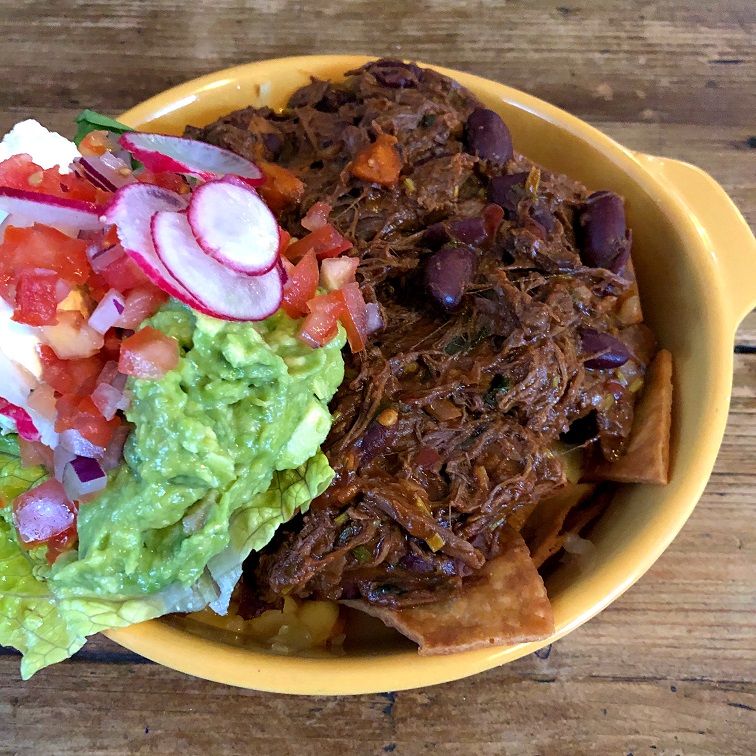
There are so many dishes it’s hard to know where to start, but the Punjabi samosas are huge, tasty and crazily good value and the crispy bhajia (spiced, fried slices of potato, their pungency offset with a sweet carrot chutney) are superb. Paneer is irresistable, either dry and caramelised with chilli or served Manchurian style in a sweeter, stickier sauce. And the samosa chaat, pictured above, is a riot of colour, flavour and texture. Who needs a faddish meat-free burger when you can try a vada pav?

Yield Hall Lane, RG1 2HF.

3. Clay’s Hyderabadi Kitchen


Right, let’s get this disclaimer out of the way first: as I’ve explained elsewhere, I have never reviewed Clay’s because they know who I am and I would describe the owners as friends. You could quite easily argue that this damages my impartiality, so if you’ve never been to Clay’s you may be a little sceptical about their presence on this list, and that is of course your prerogative. I can’t blame you – I would also be pretty dubious, but believe me, if anything Clay’s had to meet an even higher standard to make it on to this list. And I can appreciate the ways in which the restaurant still needs work: the room can be a little murky, loud and poorly lit, the service still lacks a little warmth and authority.

Anyway, by however high a bar you set, Clay’s has to be on a list of this kind, and if you have been there, I suspect you’ll completely understand why I couldn’t omit them. I think Clay’s does some of the best and most exciting food Reading has ever seen, especially the starters which are simply a brilliant range of small but perfectly-formed dishes (I’d love to see Clay’s open a small plates restaurant one day).

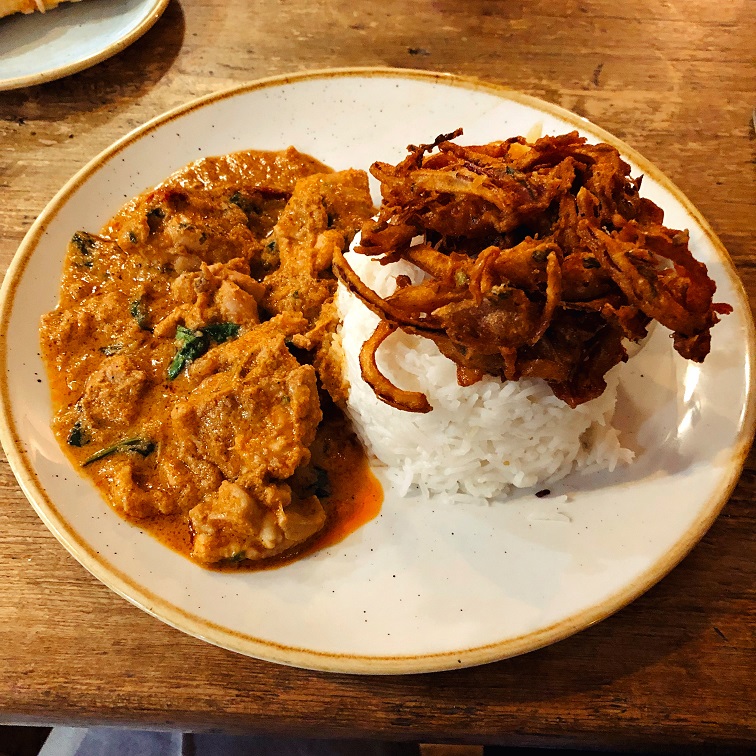
From the fish fry to the incredibly dry, smoky chicken livers, from the chicken 65 to the creamy, indulgent paneer majestic there is an almost bewildering plethora of flavours to sample and enjoy (my tip: order one or two starters more than you have diners, and share everything). And that’s before we ever get to the mains – the hot and sour monkfish, the now almost legendary bhuna venison and possibly my personal favourite, the red chicken curry. Anyway, you know what I’m talking about because I suspect you’ve already eaten at Clay’s by now, haven’t you?

45 London Street, RG1 4PS.

4. Fidget & Bob


Possibly the most unusual beast on this list, Fidget & Bob is out in the wilds of Kennet Island and truly is an all-day venue, going effortlessly from a breakfast and brunch cafe during the day to a little restaurant in the evening. It might well have the best front of house in Reading at the moment, it certainly has the best Twitter feed and it announces daily specials which regularly make me want to drop everything, hop on the number 60 bus and make a beeline there for dinner (the char siu, a regular Tuesday offering, is a particular culprit).

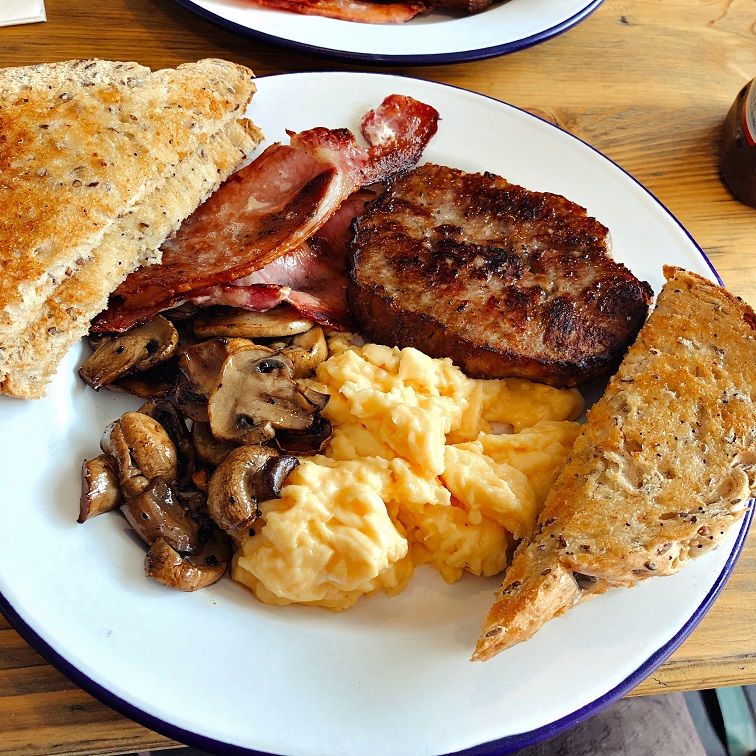
I went for brunch recently and you can see the picture above – the most beautifully buttery scrambled eggs (from Beechwood Farm, who supply another venue on this list), properly cooked mushrooms, wonderfully buttered toast and bacon cooked just right. A lot of my Twitter followers have raved about Fidget & Bob’s brunches, but I’m ashamed it took me so long to try them for myself. Many of the beers are local, the wines are top-notch, the coffee is excellent and in summer, the outside space will be lovely and buzzy well into the evening. What more could you possibly want?

The Piazza, Whale Avenue, Kennet Island, RG2 0GX.

5. Geo Café


Another disclaimer: over the past couple of years Keti and Zezva, who run Geo Café in the site which used to be Nomad Bakery, have become friends and so you should take everything I’m about to say with a pinch of (Svaneti) salt. And again, I am more than aware of the areas Geo Café still needs to work on – service can be a bit thin on the ground, and they don’t always cope brilliantly with high volumes of customers. But the food redeems so much that I stand by my recommendation: Georgian food is the great unsung world cuisine (although maybe not for long) and there are many eye-opening dishes at Geo Café that you simply can’t eat anywhere else – not only in Reading but, generally speaking, in England.

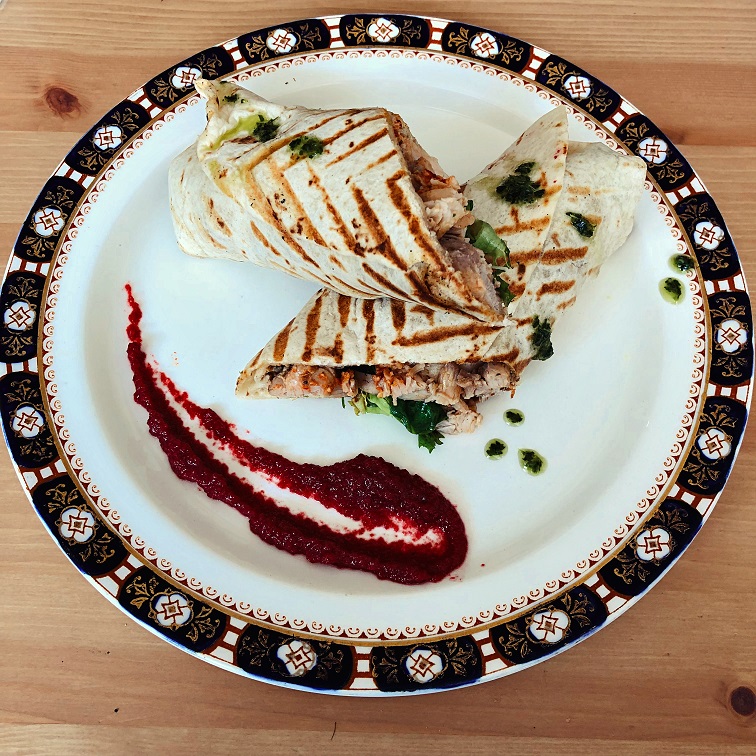
The classic dish is the chicken wrap – lots of chicken thigh spiced with ajika, served in a well-assembled wrap packed with salad, baje (a sauce made from walnut), salad and lemon juice. Anybody who has had it at Blue Collar knows just what a good dish this is, and the Geo version comes close to hitting those heights. But there are also aubergine wraps, all sorts of skillets using the café’s excellent sourdough and of course, the wonder that is khachapuri – a flatbread stuffed with a gooey cheese which is a blend of cheddar, mozzarella and feta (made by the café, because they can’t get the Georgian cheese which is normally used).

Anyone who has followed Geo Café (or Georgian Feast, or Caucasian Spice Box, or whether they’ll be called next month) on their journey from the Horn to the Turk’s to the Island via countless food markets will be delighted to hear that they’ve finally found the home they deserve. Oh, and the cakes (from the bakery upstairs) are pretty good too.

10 Prospect Street, RG4 8JG.

6. Kobeda Palace


Kobeda Palace is a scruffy, unpretentious, popular Afghan grill house down the Oxford Road. It is decidedly no-frills, its neighbour Da Village looks swankier and glossier, but I absolutely love it all the same. They make the naan on site – big, stretched, fluffy things with bubbled crusts. The kobeda kebabs are decent, as are the chicken tikka kebabs and the chops. And the karahi chicken, a red, oily, warming, ginger-strewn miracle of a dish, is one of the finest things you can eat in Reading. Order it, take the meat off the bone before you start and eat it with a naan, enjoying the bustle around you. There’s no alcohol licence, but when a restaurant on the Oxford Road has no alcohol licence that’s just the cosmos telling you to stop at the Nag’s Head on your way home.

409-411 Oxford Road, RG30 1HA

7. Pepe Sale


After the demise of Dolce Vita last year, Pepe Sale might be Reading’s longest-running restaurant, and it really is a class act. Eating there is an impressively timeless experience – the service is quite brilliant, even when the place is extremely busy, the room has been gently updated (it still looks a tad dated, but nowhere near as much as it was), the menu still has tons of Sardinian classics but there are always specials to give regular diners numerous reasons to return. The suckling pig, only available on Friday and Saturday nights, has rightly attained almost mythical status but there are so many other things to enjoy, including chicken stuffed with mozzarella and wrapped in pancetta, beautifully tender veal in cream sauce and countless splendid pasta dishes.

Pepe Sale, as I’m often given to saying, was my first ever review on the blog and when I published it, one of my detractors piped up. “Pepe Sale is just an okay neighbourhood Italian restaurant” she said. How wrong can you be?

3 Queens Walk, RG1 7QF

8. Sapana Home


Sapana Home needs little introduction by now – heaven knows I’ve written about it enough times. The little Nepalese restaurant on Queen Victoria Street has been there for what seems like forever, and the clientele is an interesting mixture of Nepalese diners and non-Nepalese customers who are in the know. I’ve heard criticisms that their momo are frozen (and it’s true that the ones at the long-lamented Namaste Kitchen were even better) but really, on a cold day when you have ten pan-fried chicken momo in front of you I find I don’t give a monkey’s. Every time I put a picture of them on Instagram, I get a chorus of likes: it really is almost impossible to look at it and not want to eat them immediately.

There are other attractions. The chilli chicken and the chicken fry are both delicious, on a good day the chow mein is quite lovely and I do have a soft spot for the samosa chaat here, all sweet tamarind, crunchy sev and red onion. The service, too, is more friendly than you might expect, and they still do one of the best mango lassi in town. Judge all you like, but I ate there on Valentine’s Day.

8 Queen Victoria Street, RG1 1TG

9. Shed


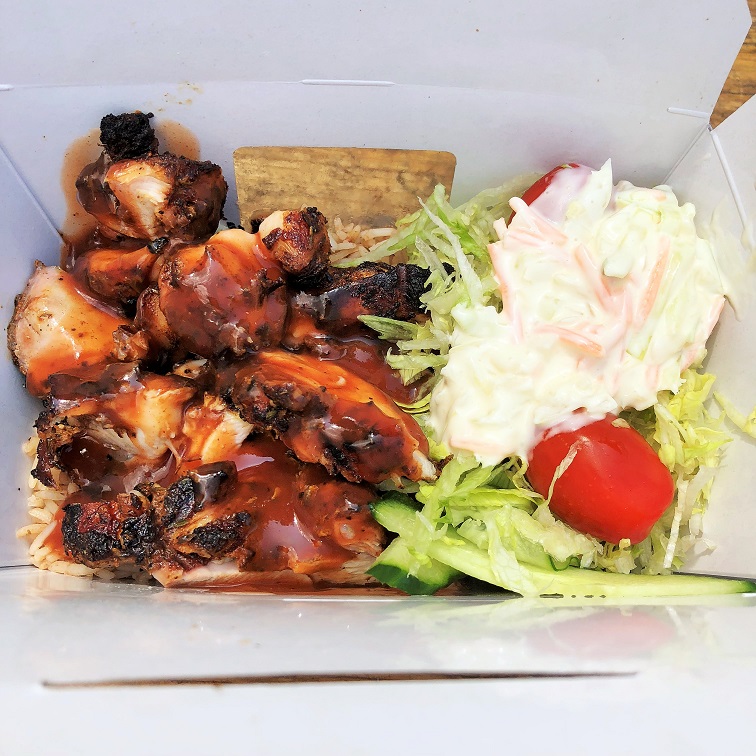
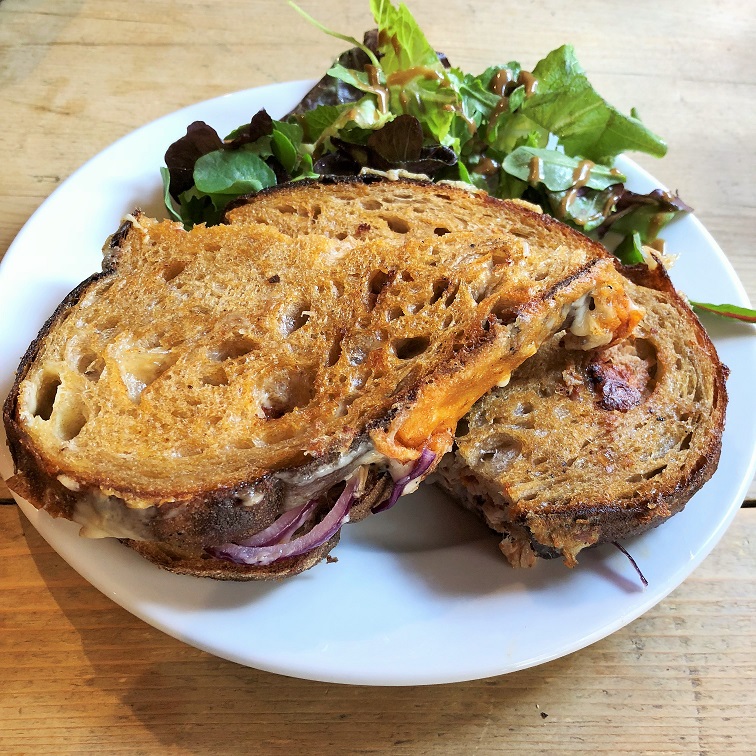
Shed was a quite shocking omission two years ago: all I can say is that I don’t know what I was thinking. It still does Reading’s mightiest toasted sandwiches – “The Top One”, all cheese chorizo and jalapeño, and “Tuna Turner”, which is tuna mayo, cheese and, err, also jalapeño. But the salads are excellent too, as is “Saucy Friday” when you can have, say, scotch bonnet chilli chicken with rice and peas, coleslaw and macaroni cheese. The service is outstanding, Pete and Lydia are almost annoyingly likeable, the milkshakes are great and they do some of the best loose leaf tea in town.

If I was being picky I sometimes wish the room itself (upstairs, it transforms into cocktail bar Milk in the evenings) was a bit lighter and the furniture was a little more comfortable, but I’m well aware that says more about my age than Shed’s beauty. It remains one of the best places in Reading to have lunch, and we’re lucky to have them.

8 Merchants Place, RG1 1DT

10. Tuscany


N.B. Tuscany closed in May 2019, sadly. But there’s always Kungfu Kitchen.

Last but not least, the delights of the tiny Tuscany, tucked away on the Oxford Road. A handful of covers and a menu which basically consists of heading up to the counter and choose your toppings by pretending that you’re doing the numbers round on Countdown (“I’ll have two from the top, Carol, and six from anywhere else”). The pizza bases are really good, the pricing is ridiculously keen and the service is quite lovely – and many readers of the blog have told me about wonderful evenings they’ve had there after picking up a couple of cans or a bottle of wine from one of the nearby shops (no alcohol licence, but they don’t charge for corkage).

I’m long overdue a return visit, and this story maybe illustrates how much I found I cared about the place: I went a little while back for dinner with a friend to find the shutters down and the lights off. I went on Twitter to vent my despair, and felt a huge sense of relief when someone kindly pointed out to me that Tuscany was closed on Wednesdays. I’ve rarely been so happy to be wrong.

399 Oxford Road, RG30 1HA

Da Village

I remember being irked when Comptoir Libanais opened in its fancy new space on the Oracle Riverside. It felt like such a lazy attempt to steal custom from my beloved Bakery House: didn’t the people going there know that just across the IDR you could get much better, far cheaper Lebanese food from a proudly independent restaurant which had been there for years? Was being able to drink really enough consolation for such underwhelming food?

Subscribe to continue reading

Become a paid subscriber to get access to the rest of this post and other exclusive content.

Persia House

By July 2020, Persia House had closed and been replaced by another Persian restaurant called Persian Palace. It has a completely new website, so I assume it’s a completely different venue. As a result I’ve marked Persia House as closed, and I’ll keep the review up for posterity.

This is my second attempt to review Persia House, the new Iranian restaurant tucked away on the other side of Caversham Bridge, and it differs from my first attempt in one important respect: I turned up when the restaurant was actually open (nearly six years writing this blog, and still so amateurish at times). I’d wanted to go for some time – Iranian food sounded fascinating and exotic, and from my research I hoped to have my head turned by a new favourite cuisine, the way it had been by Georgian or Hyderabadi food. Read an article like this and you’ll see what I mean: tell me it doesn’t make you hungry.

My dining companion for the first, unsuccessful, visit was Martin, author of pub blog Quaffable Reading, and he graciously agreed to overlook my ineptitude and accompany me again second time round (although he did still say “are you sure it’s open today?” as we were nursing a pre-dinner pint in the Crown: bloody cheek).

Going through the front door we were greeted by a very large and almost completely empty restaurant. I’m so used to saying “it’s a long thin room” about restaurants that it’s quite a relief to be able to say something different for a change: Persia House is huge. By the windows looking out on to the road there were some low tables where you sit cross-legged (possibly authentic, definitely for people who’ve done a lot more yoga than me) but the rest of the restaurant was more conventional and there really were an awful lot of tables. The bare wood floor was broken up with the occasional rug, there was art on the bare brick walls and some of the tables at the far end looked out over the river. I quite liked it, but it did feel cavernous.

We took a table by the window – close to the only other pair eating in the restaurant – and flipped through the menu. I’d researched it online, but the Persia House website is so user-unfriendly that trying to work out what I might order filled me with a sudden desire to throw my laptop at a wall with great force. We had no trouble picking a mixture of starters but we were undecided about our main courses: our waiter said that was absolutely fine and took that order, along with a bottle of red.

We’d also enquired about the rather bling oven you see as you enter the restaurant, so our waiter invited us over to see our naan breads being made. It was an incredible contraption, hotter than the sun (and not even running at full whack, as he proudly demonstrated by turning it up: it’s a miracle that Martin and I still have eyebrows). We watched as he stretched, rolled, and shaped the dough for the naan before effortlessly flipping it on to the roof of the oven for mere seconds before taking it out, cutting it up and putting it in a basket ready for our starters. All very impressive.

He said that he was from Afghanistan, although the owner was Iranian. The restaurant had been running for nearly six months and all was going well, he said, although he added that it was normally busier than tonight (only one other pair of diners arrived while we were there, not long after the other two customers had left).

By the time we returned to our table from that little culinary detour, our starters had arrived. The menu divides the starters into cold and warm appetisers and we’d picked from both sections, although I didn’t discern any noticeable difference in temperature. The best of them was the baba ghanoush, which really did have a smoky taste (you could picture the charred skin being taken off the aubergine before the flesh was combined with everything else). But the dolmades were deeply unspecial – the rice in them was claggy and dense, and they didn’t taste of much. The decision to serve them with a little pot of what looked like balsamic glaze but which I assume was pomegranate molasses might have been to conceal the lack of flavour, but it seemed an odd choice. I would have thought these were shop bought but one of them was so saggy and lacking in filling that I think they probably were made by hand.

“You can have the last one” I said to Martin, which obviously translates as I don’t like these much.

“No, I insist” he replied, or in other words I don’t like them either.

The last of the dishes was called halim badenjan, a stew of aubergine, tomato and braised lamb. We both quite liked this – although again, not enough to fight over the last few mouthfuls – but it didn’t knock my socks off. The lamb was in soft strands, the aubergine was tasty enough but it didn’t really feel like anything I hadn’t had before (the yoghurt on top, though, added a nice contrast).

By now, you’re hopefully wondering if that naan I saw being baked in front of my very eyes was any good. Well, I’m afraid no, not really. It might just be me, but I found it a bit thin and nothingy – despite being bubbled it had no fluffiness and no real texture. It might as well have been crackers, and by the end the last few pieces were hard enough that they pretty much were.

A mixed bag, then, and as our waiters took the plates away Martin and I sipped our wine and decided on our next move. We’d ordered a Malbec for twenty-two pounds and although it got better as the evening went along (what booze doesn’t?) it felt a bit thin and weedy to me, with nowhere near the depth or complexity I’d expect from Malbec: with hindsight, it might have been emblematic of the whole meal.

The main courses were split into three sections – kebabs, stews and other Persian specialities. Martin had decided to test out the grill, and I was torn between a traditional stew or the Persian biryani, a dish called lubia polo. I asked another waiter, and he said the stew was a “good choice” but that he’d had the lubia polo earlier in the evening and that it was very good. He also said that you couldn’t get these dishes anywhere else in Reading (which, come to think of it, may or may not have been a good thing). Like all the people who looked after us that evening he was friendly, smiley and engaging, and so I was won over and took his advice.

The problem with taking advice from people you don’t know, like reading reviews from people you don’t know I suppose, is that you take them on trust. So it’s possible that the Persian biryani is the best meal that waiter has had in a while, but if it is I think he rather needs to eat out more often. It was one of the most disappointing dishes I’ve had in a restaurant for a while – not specifically bad, but so failing to live up to its potential that it might as well have been.

It was rice, tomatoes, lamb and green beans and it tasted of rice, tomatoes, lamb and green beans. No real discernible depths of flavour, no nuance, no wow factor, no heat and no spice (Martin thought he detected cinnamon in it: I think he’s being charitable). I expected so much more – I wanted it to open my eyes to something new but instead it made me want to roll them or, worse still, close them for some time. Even the texture didn’t work; the lamb was nicely soft but so were the green beans. The latter had the feel of beans which had either come from a tin or been cooked so long that they might as well have done.

Martin had opted for the mixed grill for one, pretty much, the kebab bakhteari (“it sounds like bacteria” he said to the waiter, a tad ominously). It was a skewer of kofta, a skewer of chicken shish and a skewer of lamb shish, served with some rice with a little yellow hat from the saffron, an underwhelming-looking salad and – completely randomly – an individual portion of butter from a catering pack (what for? we both wondered).

“What do you think?”

“With lamb, you want the lovely caramelised exterior and for it to be pink in the middle” said Martin. “This is just grey”.

He generously let me try some of each of the kebabs, although once I ate them I realised he wasn’t really being generous, it’s just that he wasn’t fussed. The chicken was the best of them I thought, but all of them were middling at best. This dish cost eighteen pounds, a full five pounds more than the equivalent dish at Bakery House. There you get beautiful yellow rice, a perfectly dressed salad and all the garlic and chilli sauce you want. Here you get cross.

“It’s not as good as Bakery House, is it?” I asked.

“It’s nowhere near as good as Bakery House.”

You probably have the general idea by now. I really didn’t rate Persia House, I think there are dozens of better ways to spend your money in Reading and several better ways to have similar food – at Bakery House, at Kobeeda Palace, even at Clay’s if you want a biryani. And if your response to that is to say “but they’re not Iranian food” then fine, I agree – but based on what I experienced at Persia House I wonder if that’s Iranian food either. It didn’t feel distinctive or authentic to me: apart from the lamb stew with aubergines, we didn’t have anything you couldn’t get elsewhere, and that dish didn’t make me desperate to try the rest of the menu. I hoped for fireworks, I got a sputtering tealight.

What’s a little sad about it, though, is a couple of things. One was the service, which was unfailingly nice and polite – although, to be fair, we made up fifty per cent of the clientele for the duration of the visit. The other was that when we asked for the bill they brought some little sweet pastries and a beautiful black tea, poured into tiny glasses which tasted quite lovely sweetened with a little sugar. Such a nice touch, but too little too late. Dinner for two – three starters, two mains and a bottle of red – came to seventy pounds on the nail, not including service.

I wondered about how to end this review. Originally I was going to say “I hope Persia House does well”, but that too feels inauthentic. No, I hope Persia House does better. God knows, they easily could, but I suspect this is the kind of food they want to serve and the restaurant will either succeed or it won’t. Caversham is not blessed with loads of good restaurants, so perhaps novelty value will keep them afloat for some time yet. But at those prices, for that quality, it’s not a place I could recommend. In any case, what do I know? A few doors down Picasso – one of the most uninspiring meals I’ve ever had writing this blog – continues to ply its inexorable trade, years after many places I’ve adored have closed their doors for the final time.

Persia House – 6.4
2 Bridge Street, RG4 8AA
0118 9470222

https://www.persiahouse.co.uk/

The Corn Stores

The Corn Stores closed in January 2024. I’ve left the review up for posterity.

Writing the only restaurant blog in Reading can feel like a lonely pursuit at times, but if you really want a lonely pursuit it’s this: writing a review where you say that the Corn Stores is a distinctly mediocre restaurant. The only reviews of the Corn Stores I could find online were comped, so they were all breathlessly enthusiastic and gushing. But, that aside, I know quite a few people who have been to the Corn Stores, and they’ve all raved about it. Some of them, and I know they read this blog, have been back more than once since it opened in December. So I was really hoping not to be the lone voice, the sore thumb, but I went there this week and I really didn’t get it at all.

All the blogs and Instagrammers will tell you what an amazing job the Rarebreed Dining Group did of refitting the Corn Stores when they took over the derelict building and turned it into a bar, restaurant and private members’ club. They used local company Quadrant Design, and I agree that they’ve breathed life beautifully into a lovely but unloved space (one I largely remember from lunch breaks with my brother in 1996, when we used to sneak across from our McJobs in Apex Plaza opposite for a rushed pint or two). He wouldn’t recognise it now: the restaurant, on the first floor, is superbly done out, with bare brick walls, leather-banquetted booths and tables with dusky-pink, scallop-backed chairs. I was there with my other half Zoë rather than my brother (mainly because I have also gone up in the world somewhat since 1996).

As we were shown to our table – past the display cabinet full of aged beef – our waitress explained the concept, that they butcher and age their own meat. There was a certain pride about it which I respected, and it made me look forward to dinner: I knew from researching the menu beforehand that the Corn Stores was an expensive restaurant, but I was hoping for a showstopper, the special occasion restaurant Reading has been missing for many years.

Our table was one of the booths, and I was impressed by how spacious it felt for two people: CAU, back in the day, would have tried to seat four people at a booth that size (the other tables for two felt a little more poky: I’m not sure how much I’d have liked one of those). The restaurant was nicely buzzing and pretty full on a weekday night, and it exuded that glow of satisfaction you get when surrounded by people who are happy they’ve made a right – and exclusive – choice (the Nirvana Spa effect, you might say). “My mum would like it here” said Zoë, adding the Corn Stores to her mental list of places to take her mum to.

We ordered a couple of pints of Meantime lager while we decided what to order: it’s kept in tanks onsite so you get it fresh, unfiltered and unpasteurised. I thought it was cold, crisp and clean and I loved it – Zoe less so, because she detected a bitter finish. I’ve already said that the Corn Stores is an expensive restaurant, and I fear this is a point we may return to often throughout the rest of this review: starters are just shy of a tenner and some of the mains are just the right side of twenty pounds, although if you order a steak you’re highly likely to pay far more than that. Oh, and there was a “whole baked sourdough” for six pounds fifty, which has to be the most expensive bread I’ve ever seen on any menu anywhere (you get “your choice of butter”: really, for six pounds fifty you should get to try them all, I reckon).

There was also a specials menu with other options including a Barnsley chop, a pork tomahawk, smoked sirloin on the bone – and a chateaubriand with lobster and some other gubbins which cost the grand total of ninety-five pounds (I know people who have ordered this, and they raved about it, but really: you could eat Michelin-starred food for that money). None of that especially appealed, but also I wanted to judge the place on their standard fare – the meat and potatoes, you could say – so we stuck to the normal menu. At the table next to us, three well-to-do ladies chatted away as their main courses, completely untouched, went cold in front of them: Zoë and I exchanged looks.

We started with the “Rarebreed Board”, a sharing selection of interesting options. It was the most expensive starter on the menu (twenty six pounds, in fact) but I figured it gave us an opportunity to try out lots of different things. It came on a sort of folding trestle table which left us limited room for our side-plates, but you couldn’t deny it looked appealing: five different beef dishes, designed to be shared between two.

Much of the sharing board was sort of a symphony of mince, so you got steak meatballs, miniature burgers and “beef and pepper sausage” – which was more like sausagemeat, on account of there being no casing. They were all quite nice, but much of a muchness – the main variations being in coarseness, but the overall texture was very similar.

We both liked the sausage best, with there not being a huge amount to choose between the burgers and the meatballs. Even at this stage though, the execution was lacking. The burgers came with lettuce and tomato in naked brioche, no cheese, no sauce (the pepper or tomato sauce in a little metal dish made a useful dip). The meatballs were apparently served with red wine gravy, but the thin lake of liquid at the bottom of the dish was largely ineffectual. Perhaps you were meant to dip the accompanying toast in it, but it was pretty hard when it arrived and, by the time we got round to it, it was even worse.

There were three burgers and three meatballs, which was odd and just made sharing trickier – I’d rather those two dishes had been better and smaller, and the price had been nudged down a little. I liked the other two dishes on the board better – the steak tartare (served, somewhat randomly, in a jar) had some real tang and pungency from the Worcester sauce, but Zoë found it too vinegary and couldn’t finish it. Similarly, the salt beef on flatbread worked beautifully for me, but amid the mustard there was also a vinegary tang that put Zoë right off it. Even in this dish there was the oddity of little segments of potato – double carbs, and extra bulk, but totally unnecessary.

By the time we finished our starters the table next to us had eaten half of their main courses, if that. One lady had cut her cod burger very precisely in two and looked like she was considering, possibly before the evening was out, embarking on eating the second half (it never occurs to me that some people go to restaurants for the company, or to see and be seen, but that might be just me). I got a second pint of Meantime and Zoë tried the Curiouser & Curiouser, a beer by Kentish wine producers Chapel Down – it tasted of grapefruit and citrus and I really liked it, although Zoë seemed less convinced.

We’d decided to tackle different ends of the menu, so we went for one of the pricier and one of the more affordable main courses. Zoë’s burger – wagyu beef, with Ogleshield cheddar and bacon – looked lovely, and the bite I had wasn’t half bad. But it cost nineteen pounds, and it didn’t feel, to me, like a nineteen pound burger (I’m not sure what a nineteen pound burger tastes like, but not this).

“It’s really nice” said Zoë.

“Better than Honest?”

“No, not really.”

I agreed with that – even when unadorned, Honest burgers have a lovely crust to them from the grill, and there’s a bit of salt in there. This was almost as good, but it cost nearly twice as much as its equivalent over on King Street.

I had gone for a two hundred gram fillet steak, served rare, with béarnaise sauce. The Corn Stores website boasts about how they baste their meat with aged beef fat and cook it on a Robata grill, getting loads of flavour into even lean cuts like fillet.

This was, it’s safe to say, not my experience: they’d managed the impressive combination of serving a steak where there was almost no char at all while simultaneously overcooking it. It was meant to be rare, but it was probably medium at best: just about pink in the middle, but with no juices oozing out as you made your way through it. I couldn’t face sending it back, because I really wanted to eat dinner at the same time as Zoë and I knew that sending it back guaranteed that wouldn’t happen. Besides, by then the damage was done – if you’re a steak restaurant, and one charging that kind of money, cooking the steak right first time was the entry level requirement.

That wasn’t all, though, because really the steak didn’t taste of very much. I didn’t get any seasoning, I certainly didn’t feel like it had been anointed with glorious, salty beef fat, nothing of the kind. The béarnaise didn’t help matters, being a little on the thin side, heavy on the vinegar (bit of a theme emerging there) and light on the tarragon. It was also a pretty mingy helping of béarnaise, because the Corn Stores seems to have missed the memo that béarnaise sauce should be as much for your chips as your steak. The salad it came with was pleasant enough, but it rankled with me that you got a big pile of salad for free but had to pay for your chips – by contrast, chips came free with the burger.

This brings us on to the chips – beef fat chips, no less. I had high hopes for these, but they were also deeply ordinary. They didn’t have the crunch-fluff ratio of a perfect chip, they were exceptionally salty and some of mine had grey patches which should have failed the most elementary quality checking. Dipped in the béarnaise they were okay, but no more, and they weren’t much better with the mayonnaise we’d asked for (which came in two minuscule pots which looked as if they had housed lip balm in a previous life). I looked round and everybody seemed to be having such a lovely time. What was I missing?

We’d asked our waitress for recommendations for a side dish and she had recommended the baked flat mushrooms, so we went for those. Four pounds got you three rather small flat mushrooms which had a meaty texture but again, didn’t feel like they’d been exposed to much in the way of butter. If I’d had them in a Beefeater I’d probably have been pleased, but here in the Corn Stores it just felt like another way of extracting funds. There was the ghost of a sprig of thyme on top, as if to say Look, we did do something with them.

By this point we were on to our third drink – a serviceable glass of Pinot Noir for me and Chapel Down’s cider (which I really liked) for Zoë, and positively planning our escape. The waitress took our dishes away and half-heartedly asked if it had been good, and we half-heartedly replied that it had been fine. The fact that both of us had half-heartedly half-left our chips didn’t seem to register. That was service in general at the Corn Stores – smiling, efficient, a little robotic. I didn’t get any real warmth or personality.

Dinner for two – a sharing starter, two mains, some chips, a side and three drinks apiece – came to one hundred and thirty pounds, including a not-that-optional 12.5% service charge. I’m almost tempted to leave that sentence to do the work on its own, but really: one hundred and thirty pounds! When I think of all the amazing meals you could buy in Reading for a fraction of that price – or all the exquisite meals you could buy in London for that money – I felt like I’d cheated rather than treated myself.

“I don’t think I would take my mum here, you know” said Zoë, unsurprisingly.

“I know. Normally with places like this I say I’d only go if someone else was paying, but in this case even if someone else was paying I wouldn’t let them take me here.”

That might sum it up, for me. I couldn’t shake the feeling, throughout my meal, that I was paying for the refurbishment, or helping Rarebreed pay off their investor (the interestingly-named Havisham Group), but I didn’t feel like I was paying for a truly luxurious experience in a terrific special occasion Reading restaurant.

The talk about the Corn Stores’ pride in their meat and butchery is all well and good, but the main thing my meal did was make me miss CAU. I think, actually, I had no better or worse a meal at Miller & Carter, where I paid a lot less money. Worst of all, I went to the Southcote (a Beefeater) last year and although it wasn’t as good as the Corn Stores it was a lot closer than the huge disparity in price would have you believe (and their béarnaise, damningly, was probably slightly better).

Anyway, it doesn’t matter what I say: I have no doubt that the Corn Stores will do really well, but I felt like if it had been half as good as it thinks it is it would be twice as good as it actually is. But what do I know? I read some lifestyle bloggers recently, and they tell me the emperor looks fantastic in that outfit.

The Corn Stores – 6.7

10 Forbury Road, RG1 1SB
0118 3246768

https://www.thecornstoresreading.co.uk/

City guide: Málaga

A more up to date city guide to Malaga, from 2024, can be found here.

I first visited Málaga in late 2016, on an unsuccessful holiday with a vegan girlfriend. Going to Spain with a vegan was almost as bad a decision as going out with the vegan in the first place, but even as I returned home, lessons learnt, I had a feeling Málaga and I had unfinished business. The thing I’ve since discovered about Málaga is that there are two kinds of people: people who’ve never thought of visiting it, and people who have been, loved it and are keen that not too many people find out about it.

I should start with an apology to the second kind of people, because it really does deserve to be better known. It’s compact, it has a beautiful historic centre, loads of art galleries (covering traditional and more modern forms), a waterfront with a beach close by, excellent shopping and terrific street art. Returning this month with my other half and some friends, enjoying temperatures of nineteen degrees in March and seeing the sun again, I got the feeling of barely scratching the surface.

It’s almost like they plonked a miniature Barcelona in Andalusia, with all the gastronomic benefits of being in that blessed region. And my goodness, the food! I ate better than I can remember on any holiday – not just the obvious stuff like jamon, queso and churros but beautiful, inventive tapas, fresh, superbly-cooked fish and seafood, stunning burgers (yes, burgers) and so much more. I’ve always thought any day where you get to eat octopus is a good day: on one day in Málaga I managed to eat it for lunch, dinner and an afternoon snack, and that felt pretty unbeatable to me.

My other half is not known for her delicate language, but I lost count of the number of times she tried her first mouthful of a dish and said “fuck!”, almost involuntarily. My friend James, a fellow Málaga fan, has been every year since 2016 and even before heading home I think both of us were mentally planning our next visit. I hope this piece persuades you to consider it next time you’re planning a city break of your own.

Where to eat

1. Taberna Uvedoble

I spent my birthday in Uvedoble this year, and a better place to celebrate is difficult to imagine. It’s a modern tapas restaurant close to the cathedral and the vast majority of the menu is available either as a tapa, media or racion depending on how hungry or inquisitive you are and how many of you there are. On our visit we swooned over baby squid served on a nest of squid ink fideua, a giant lake of aioli on the side. Oxtail albondigas were also phenomenal, the juices soaking into a bed of skinny chips.

But the small dishes were every bit as astounding – individual hamburgers cut with foie gras, lending a powerful punch like nothing I’ve eaten before, or miniature brioches hollowed out and completely crammed with shredded suckling pig. The truffled tortilla was so big we had to take half of it back to the apartment with us, and the red wine (Seis y Seis, from nearby Ronda) was magnificent – and ridiculous value at eighteen Euros. Dinner for three, in fact, came to less than a hundred Euros between the three of us – and if you need any more incentive to go to Málaga, bear in mind that this was easily the most expensive meal of the whole holiday.

Uvedoble was so good that we returned for lunch on our final day, so that Liz (who had arrived late) didn’t miss out on the food. Determined to try other dishes, we devoured stunning grilled asparagus with romesco, clean delicate ensaladilla Rusa, flamenquin all crisp with breadcrumbs and oozing with cheese, and so many other amazing dishes. We got there at 1, when they opened, and within about half an hour the place was rammed. “More 10 out of 10s than anywhere else we’ve been” was James’ verdict. My other half’s verdict? “Fuck.”

Taberna Uvedoble, Calle Cister, 15

2. El Tapeo de Cervantes

Easy to be confused – there’s also La Taberna de Cervantes, Vineria Cervantes and El Meson de Cervantes – but El Tapeo de Cervantes is the one you want, a small, intimate place with high tables, a regularly changing menu and absolutely charming staff where I had one of my very favourite meals of this or any year. You order lots of dishes – easily two per person, more if you’re greedy – and they pace your meal perfectly, bringing them out one at a time like a gastronomic firework display.

This was James’ suggestion, and he evangelised about it from the off before getting nervous that it wouldn’t live up to the hype (a feeling I know better than he realised). But he needn’t have worried – everything was so good that it was difficult to pick out highlights. Duck cooked so expertly that it was more like fillet steak, slow-cooked pig’s cheek in a rich stew topped with fiery guindilla chillies, intense sweetbreads with the crackle of salt crystals served on crisp cubes of potato, soft tender octopus offset with smoked mash, every single dish every bit as good as the last.

But the humdinger, a dish which reduced James to wordless rapture, was secreto iberico: pink and tender, scattered with salt and served with a sweet pineapple relish which shouldn’t work but did. Boy, if only Hawaiian pizzas were like that. We had everything with a couple of bottles of Orben, a magical rioja which, I’m told, you can get on Amazon Prime (what will they think of next?). It was a meal I’ll remember for quite some time, and it cost just shy of thirty Euros per head.

El Tapeo de Cervantes, Calle Carcer, 8

3. Wendy Gamba

Processed with RNI Films. Preset 'Agfa RSX II'

We had lunch at Wendy Gamba, in the heart of the old town, and I could happily have eaten there again for dinner, lunch and dinner again. In a gorgeous, tiled, relatively traditional room we had some of the finest dishes of the entire trip (but for the fact that you could also say that about all the other places on this list). The signature dish here is the bull burger, a miniature burger with slow-cooked oxtail which matched any burger I’ve ever had, but other dishes gave it a run for its money. I especially loved the octopus with plenty of char and salt, prawn and avocado pinchos topped with strands of saffron and gambas pil pil in a brick red oil steeped with sweet slices of garlic. A generous lunch for four came in at under eighty Euros. We walked past the following evening and, unsurprisingly, the place was completely packed: best to reserve a table if you’re going there for dinner.

Wendy Gamba, Calle Fresca, 10

4. Meson Mariano

Meson Mariano is a very traditional, family-run restaurant, all dark wood and beams, a million miles away from the clean contemporary look of Taberna Uvedoble. My holiday companions were a little (well, quite a lot) younger than me and when we went to Meson Mariano they described themselves as “turnt up to the max”, whatever that means. Regrettably, this means we didn’t order the full three courses – but it also means that they were so full that I managed to try a little bit of everybody’s meal and confirm my suspicion that Meson Mariano really was a very good restaurant indeed.

The salt cod was beautiful, either served fried with tons of garlic or cooked in tomato with potato, but the meat was the real high point, whether it was shoulder of lamb on the bone (though so beautifully tender that it didn’t stay there for long) or spot-on sirloin with an astonishingly good goats cheese sauce. When I go back, I’ll try the deep-fried goats cheese starter: I remember it fondly from a previous visit.

Restaurante Meson Mariano, Calle Granados, 2

5. Mercado Atarazanas

Málaga’s food market is simply something else. An impressive structure (very striking stained glass, and a gorgeous arched entrance) housing every kind of delicacy you care to name – fresh fish of every size and shape, cheese, meat, jamon, almonds shiny with oil and studded with salt, wine and sherry, seemingly endless arrays of fruit and veg. That’s all in the middle, and then around the outside are all the places where you can stand at the bar, drink a caña or a vermut, order food and watch the world go by (there are also seated areas outside the market, but I far preferred being in the bustle).

For all I know there may not be that much to choose between them all, but I developed a huge soft spot for Central Bar, in the corner of the market, and went there several times. Over the course of a couple of visits I had baby squid, coated, fried and dished up piping hot with nothing but a spot of aioli and a lemon to squeeze, octopus served in a similar fashion, chorizo pinchos plump and crying out to be eaten with your fingers. Best of all was rosada, a white fish cooked on the plancha and plated simply with a drizzle of oil and herbs, glorious fresh tomatoes and a few spots of that aioli. It was the only other dish to render James speechless (and that’s no mean feat): we had it twice during the holiday.

When I go back I’ll try the tortilla de camarones, fritters made with flour and tiny shrimp which kept turning up on the bar for other people: they looked delicious, but I didn’t figure out what they were until it was too late. But then I could happily have spent an afternoon at that bar, drinking and eating, little and often. The most expensive bill we had was forty Euros between three, reinforcing what insanely good value Málaga is.

Mercado Central de Atarazanas, Calle Atarazanas, 10

6. Casa Lola

Casa Lola was the first place I ate at on this trip, and if everything that came after was even better that shouldn’t detract from the fact that it was a lovely place to go for afternoon snacks. The interior looks much more polished and curated than many of the other tapas bars in Málaga (almost, dare I say it, chainlike) but sitting at a high table with a caña and some food, watching the world go by is still an excellent way to spend an afternoon. The high point for me was the extensive range of pinchos, all of which were downright delicious. A spot of smoked bacalao here, some black pudding topped with quail’s egg there, that first taste of holiday octopus: all were present and indisputably correct.

Casa Lola, Calle Granada, 46

Where to drink

1. La Tranca

La Tranca, Málaga’s almost legendary vermouth and wine bar, was firmly on all our lists to visit: I’d been and loved it, and I’d bonded with James and Liz over their devotion to it. I remember going in 2016 and wishing I could stay there all evening, and that’s before Liz told me how good the empanadas were. Walking past it on our first night, something about it didn’t seem right: the inside was somehow different, the bar felt different, the vibe somehow changed. “It’s closed!” said Liz, crestfallen. Later that evening we realised it had relocated to bigger premises just up the road, and when we went in all scepticism was immediately dispelled: it was different, but recognisably La Tranca right from the off.

La Tranca is one of the world’s great bars (and I’ve researched quite a few in my time): lovably scruffy, full of bustle, serving brilliant drinks and full of people who just want to have a good time and enjoy being somewhere magnificent. Put that way, I can’t help but wonder if it shares DNA with Reading’s beloved After Dark. We went back a couple of times during the trip, jostling to find a space to set ours drink down, stand around and talk nonsense. We got into a random conversation with a lovely Italian chap, a musician, who had let his apartment in Berlin out to a woman from New York days ago and just got on a plane to Málaga to take his life in a different direction: well, Málaga is that kind of city and La Tranca is the perfect bar for conversations like that.

The drink to have here is aliñao, vermouth with gin and soda which makes the world, even at times like this, feel like a softer, more comfortable place. The tapas is also well worth trying – you order at the bar and hope you can find your way back up there through the crowd to collect it when they call out your name. The four cheese empanadas, rich with blue cheese, were things of beauty but my personal favourite was the habas con jamon, a little dish of broad beans and ham which was damn near perfect bar (or anywhere else) food.

La Tranca, Calle Carreteria, 92

2. Antigua Casa de Guardia

Another Málaga institution, this long thin bar has barrels of every sweet wine you could possibly hope to drink. You go up, order a copa and they chalk your bill up on the bar. I tried a number of the options, from moscatel to pedro ximenez, from the “Pajarete 1908” (the thing to order here apparently) to the Guinda and the Lagrima Añejo: you may well have a better palate than me but they all tasted dangerously similar and remarkably moreish. A little glass of wine here costs less than two Euros, so if you go you can try them all and tell me what I’m missing. We were there on a lazy Friday afternoon, but I imagine evenings can be quite a free-for-all.

Antigua Casa de Guardia, Alameda Principal, 18

3. La Madriguera

Málaga has a small craft beer scene, and as I was there with some real beer fans it was only fair to check it out. I suspect James preferred Cerveceria Arte & Sana on Plaza de la Merced, but my favourite was La Madriguera, which struck me as reminiscent of Bristol’s tremendous Small Bar. La Madriguera had nine beers on tap when I visited including a few from local microbrewery Bonvivant, and I really enjoyed their fruit IPA El Increible Hombre Menguente (that’s the incredible shrinking man to you and I). I was sad to move on when duty – by which I mean dinner – called, although I also found it difficult to walk past a bar called Jamones next door, which went straight on my “next time” list.

La Madriguera, Calle Carreteria, 73

4. Cafe Central

A lot of people will tell you to go to Casa Aranda, where they do huge churros, giant tubes of batter just waiting to be dunked in thick gloopy chocolate (the same people will recommend El Pimpi, Málaga’s iconic bar which I still haven’t tried). But my heart belongs to Cafe Central, where the churros are piped, have just enough salt and are crying out to be rolled in sugar from the sachet and popped in your mouth. The seating outside is perfect in the sunshine but I have a soft spot for eating inside, where it reminds me of so many grand cafes and where you can always spot some great characters, old ladies and dapper gentlemen, enjoying their “second breakfast” (it’s a thing in Spain, and really should be a thing everywhere else).

Coffee at Cafe Central truly is an art – you may have a cafe con leche elsewhere in Spain, but in Cafe Central you pick from nine different types of coffee depending on just how much milk you want in it, an idea that really could catch on here with tea (I’ve long thought that if we ever do have a national identity card it should have a swatch on it showing the exact colour you like your tea). Mine was always a mitad, half and half, and going to Cafe Central became a thoroughly enjoyable morning ritual.

Cafe Central, Plaza de la Constitucion, 11

5. El Ultimo Mono

El Ultimo Mono (the last monkey, apparently, which I assume makes sense to someone) happened to be right next to our apartment. But even if it hadn’t, I imagine I would have been there quite a lot. The interior was just the right side of the quirky/zany divide, the service was great, and the coffee – for when you want a latte or a mocha rather than the traditional strong black coffee or cafe con leche – was very nice indeed. There was a shop opposite which sold little statues of Jesus: we repeatedly had to talk James out of buying one, for shits and giggles apparently.

El Ultimo Mono, Calle Sta Maria, 9

6. Mia Coffee House

One morning I was up and about earlier than my travelling companions, and keen to go exploring. A little research and some good fortune (and tricky navigation) got me to Mia Coffee House, a wonderful little cafe in a quiet square opposite the very impressive Church of los Santos Martires. I was drawn to the canary-yellow awning, and it was lovely and serene to sit outside, warmed by the sun and watch the city slowly wake up.

Mia’s is top-notch coffee – the best I had in Málaga – made with painstaking love and care in the perfect little spot. Even the cups, little bowls without handles, are pared-down and somehow ascetic. Less pure was the pain au chocolat, the filling made even more indulgent with a spot of something like Nutella. The others joined me about half an hour later, and I did allow myself a moment of “look at this brilliant place I found!” while they very kindly humoured me. Well, I suppose it’s what I do – or try to – and what I’ve just been doing about Málaga on this little gastronomic tour. I hope you’ve enjoyed it.