Alto Lounge

I like to bang on about service in restaurants, but this week it occurred to me that I might be part of the problem. After all, I talk about service, but if you look back at my other reviews it’s usually tucked away near the end. It’s the penultimate paragraph, stuck between the desserts and the summing up, sharing space like uneasy housemates with the bit about How Much It All Cost.

For some reason it’s difficult to write about service in detail unless it’s bad, and when it’s bad I feel guiltier about going into detail than I would about a disappointing dish. Funny how the human face of a restaurant, even though it’s what you see, attracts less comment than all the faceless people toiling away in the kitchen.

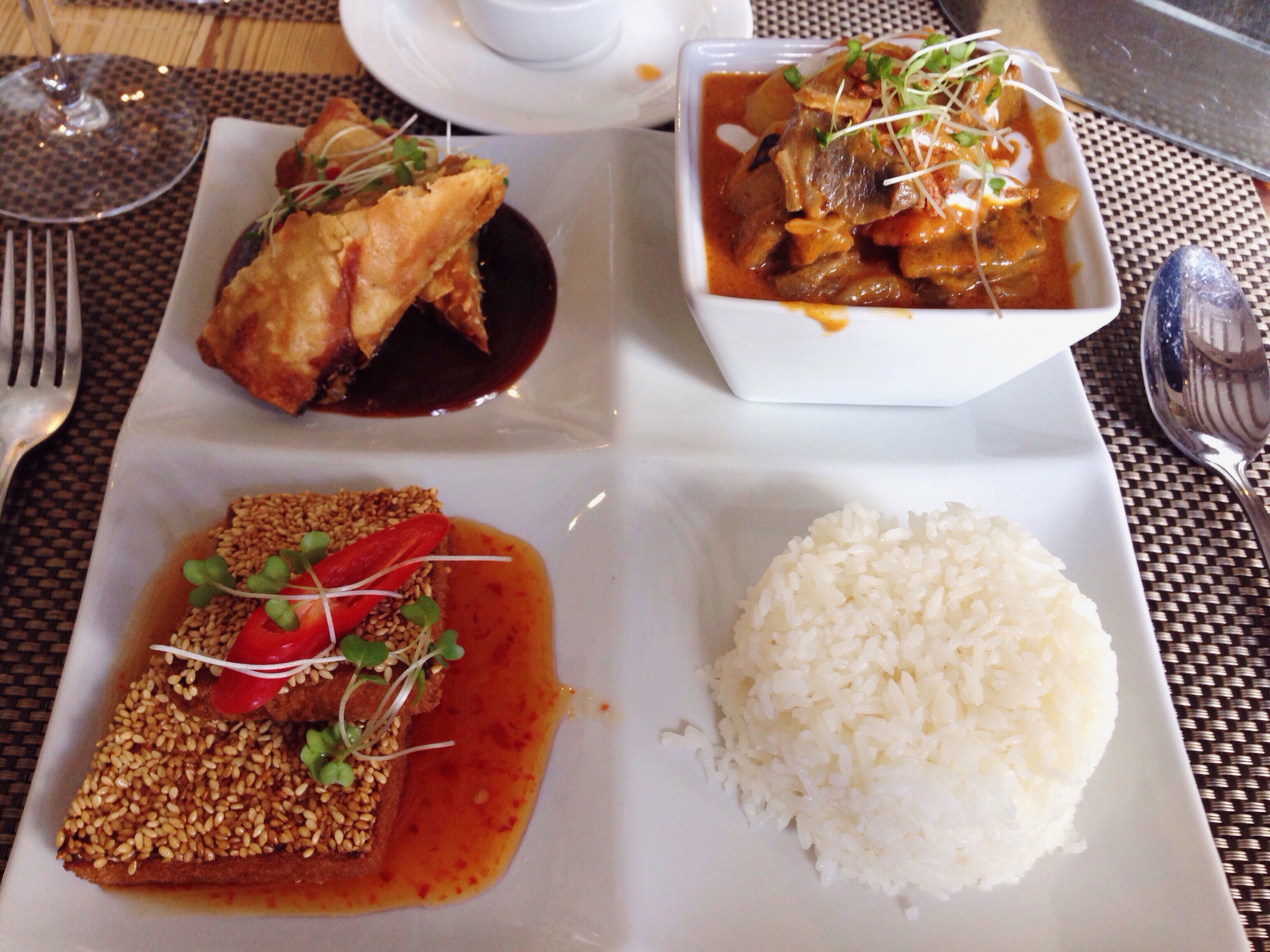
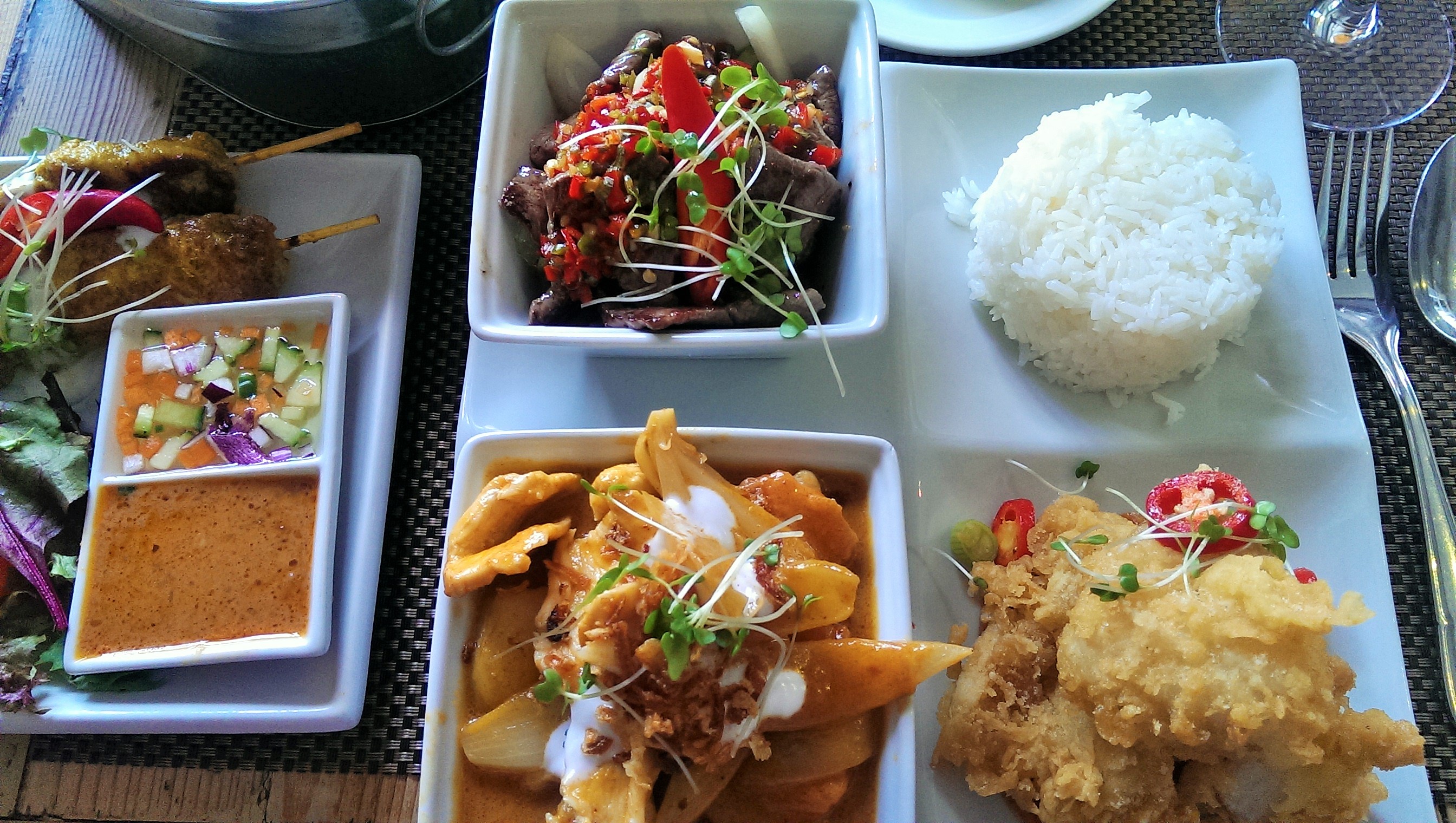
So, to redress the balance, even if only for one week: the service at Alto Lounge was some of the best I’ve had in a long time. The two women working the night I went were an absolute joy: friendly, likeable, helpful and interested. They stopped me going up to the bar to order more drinks when my food had just arrived, even though technically Alto Lounge doesn’t do table service. It properly felt like they wanted to make sure I had a good evening, and when I settled up and left the goodbyes were so genuine that it made me want to go back.

Subscribe to continue reading

Become a paid subscriber to get access to the rest of this post and other exclusive content.

Kyrenia

Bit of a weird one, this: Kyrenia changed its name in January 2016 to Ketty’s Taste Of Cyprus as it was under new ownership. They never changed the facade, just the website and menu. In Summer 2020 it reopened under a completely new name as Spitiko. I’ve marked this restaurant as closed, and kept the review up for posterity.

I’m sorry, but I’ve got a confession to make. I’m burned out. Running on empty. This whole business of going to a restaurant every week takes its toll, you know (I’m not expecting sympathy, don’t worry). And it’s the end of the year – Christmas party season is fast approaching and I’ve got very little left in the tank. So this week, rather than go somewhere that would be a voyage of discovery for all of us, I went somewhere I know well: I’ve been going to Kyrenia, Caversham’s Greek Cypriot restaurant, for as long as I can remember. I love it – and I’m going to spend this review telling you why, because when I visited it on duty it was as terrific as always.

Besides, it’s been a bit of a bad run recently, hasn’t it? So think of this week’s review as a present to me (because I bet you haven’t got me anything, not even a box of Toffifee).

Kyrenia’s dining room hasn’t really changed in all the time I’ve been going, because it doesn’t need to. It’s perfect, simple but smart – no exposed brickwork and bare bulbs here – with clean white tablecloths, crisp cloth napkins and comfortable unfussy chairs. There are black and white photos on the walls and not much else. The greeting is warm and friendly and Ihor, who runs the front of house, is charm personified (in an endearingly apologetic way, truth be told). Kyrenia has a number of different menu options – they do a la carte, it’s two for one on Tuesdays, there’s a smaller set menu some of the week, but the thing to do here is order the meze, especially if it’s your first visit. I can’t stress this strongly enough: for twenty four pounds a head you get an incredible array of courses and variety (that’s your first tip, right there).

The first thing to arrive were the cold meze, a range of familiar friends and a very easy way to be led astray. Houmous was rich and smoky with a touch of garlic, a world away from the contents of a plastic supermarket tub. Taramasalata – something I avoid anywhere else because it’s often too oily and fishy – was light and delicate. Tzatziki was zingy and fresh, just the right side of tart, the flavour softened with cucumber. All of these came with a basket of warm, griddled, slightly charred pitta bread. That alone would be a feast, that alone would be enough but the other cold dishes were equally delicious. Beetroot, apple and walnut salad was fragrant and sweet rather than sharp and astringent, and potato salad was light and simple, just potato, good oil and parsley.

If I’m being critical (and it’s hard, where Kyrenia’s concerned) the tabouleh wasn’t as vibrant – in colour or flavour – as I’ve had elsewhere, and the olives felt like a space filler, but they were minor issues. This was a wonderful range of dishes, and the nature of it means it works equally well if you’re dining a deux or part of a much bigger group (here’s your second tip: I’ve been in those groups and watched people make the classic mistake – overdoing it on pitta bread and filling up ahead of the other courses. Don’t do this, because the best is yet to come).

Meze1

The hot meze only came out when the staff had checked that we were ready – a lovely touch, I thought – and when they did, as always, it became time to reassess how hungry I really was. Meze is about playing the long game, but the problem was that again, everything was too delicious to leave. Some of the classics – halloumi and calamari – were present and correct. The halloumi was unsurprising (halloumi in restaurants is pretty much always the same, everywhere) but still gorgeous, but the calamari was spot on – no hint of rubber, just light batter and fresh squid. They’re classics for a reason, after all.

Most of the other dishes were every bit as good. Lamb meatballs were possibly the pick of the bunch – juicy, coarse and savoury, studded with herbs and onions and a touch of garlic. Loukanika (Greek sausage) was Peperami’s glamorous continental cousin, warm with cinnamon, almost perfumed rather than one-dimensionally spicy. Dolmades had more of that delicious minced lamb folded into them, though there was probably too much leaf and not enough stuffing. The beans in tomato sauce were the only real disappointment – big, bland and filling, they were soon abandoned. Those six dishes may only merit a sentence or so each, but add that to the seven that came before and it starts to become clear: this is a marathon, not a sprint.

Meze2

Of course, I knew from personal experience to keep something in reserve for what came next: although again, only when the staff knew I was ready. The souvlaki – grilled skewers of pork and beef – were pleasant enough (possibly a tad on the dry side), but they weren’t the main attraction here because that was indisputably the kleftiko. I’ve had this dish countless times in Greece on holiday trying to find anyone who can match Kyrenia’s version, and I’ve given up now because what Kyrenia does to lamb is a work of utter genius: the almost godlike kitchen knows how to slow cook it until mere mortals like me struggle to describe how good it is.

It came on a large piece of bone but the merest whisper of effort soon sorted that out, leaving me with an awful lot of the most tender lamb I’ll probably ever eat. It broke into moist, sticky shreds, almost like confit, perfect for smooshing into the juices on the bottom of the plate before eating in nodding, smiling, euphoric silence. Again, because I feel I ought to be critical, the Greek salad it came with was a little underwhelming – but it’s only salad, isn’t it, and a cubes of feta is the perfect partner for a piece of lamb (that’s your third tip, if you’re counting).

Meze3

I also know from personal experience that if you’ve made the rookie mistake of filling up on pitta and tzatziki, Ihor will bag up all your leftover meat in a little foil parcel for you to take home and enjoy the next day. I also know from personal experience that it’s almost as good cold the next day, but take it from me if you go: pace yourself and eat it on the night.

One of the only other disappointing things about Kyrenia is the wine list. Greek wine can be absolutely fantastic, and is much underrated, but Kyrenia only sells a handful of bottles. None the less, the ones they do are lovely – we had a bottle of Naoussa Grande Reserve which was nicely balanced against both the meat and fish in the meal, far too easy to drink on a school night and not at all unreasonable at £23.50.

The last course at Kyrenia, the fruit salad, is really just a palate cleanser. I would be astonished if anyone could eat a “proper” dessert after all those meze so it seems apt that the meal ends with a plate of orange, melon, grapes and strawberry. It worked, though: fresh, bright, sweet and healthy (like Miley Cyrus before it all went so horribly wrong). It didn’t redeem the sins of all that lamb but it helped me fool myself, and very few desserts achieve that.

I’ve mentioned Ihor a few times, but service in general was perfect. All of the staff are so good at what they do, getting all the little touches right. Asking if you’re ready for the next set of courses, finding time to chat, knowing when to offer you extra pitta (although if you’ve read this far, you’ll know to turn that offer down – trust me on this). Again, to be critical I’d say that you should ask to be seated downstairs: sitting upstairs, in a smaller less buzzy room, far from the bar and the kitchen you can sometimes feel a little overlooked. That’s your fourth and final tip – ask for a table downstairs when you book, because they get busy at weekends. Dinner for two – all those dishes and a bottle of wine – came to £71 excluding service. It’s probably the best £71 meal I’ve had all year.

I recommend Kyrenia all the time – to friends and on Twitter – and it was getting to the point where not having reviewed it was looking like a glaring oversight. I went on duty hoping that they had a good night, but I really needn’t have worried because I’m not sure they know how to be anything but brilliant. There’s loads of stuff on the a la carte that I haven’t tried (I’d love to have a go at their stifado, or their monkfish souvlaki) and I know for a fact that their octopus is out of this world, but all of the best evenings I’ve had here have all involved the meze. Unlike most restaurants in Reading, Kyrenia feels like it’s perfect for everything – small intimate evenings, big raucous evenings and everything in between. It’s only a matter of time before I go back – in fact, on the way out I looked in the front door, still shining with that cosy welcoming light, and saw that they’re offering their standard menu on New Year’s Eve. See you there? I’ll be wearing the white carnation and the gold party hat and drinking the Greek red. Yamas (and Merry Christmas!).

Kyrenia – 8.6
6 Prospect Street, Caversham, RG4 8JG
0118 9476444

http://www.kyreniarestaurant.com/

Quattro

One of the drawbacks of this gig is taking the photographs, especially when I visit a restaurant and find myself sitting in a very empty room trying to take sneaky pictures without the staff noticing (this is more of a problem in some places than others: where the service is poor you could probably get on a table and belt out I Will Survive without anybody batting an eyelid). Empty Room Syndrome happens much more often if I’m dining at quiet times, so Quattro immediately had me feeling hopeful when I rocked up on a Monday night to a bustling dining room.

Subscribe to continue reading

Become a paid subscriber to get access to the rest of this post and other exclusive content.

Bill’s

If you’re surprised that I’ve written a review of Bill’s the main thing I can say is this – me too. I had written it off: it’s always struck me as a chain trying its damnedest to convince people that it isn’t one, the rustic reclaimed school chairs and blackboards full of homespun quotes a sleight of hand concealing a respectable-sized chain (over fifty restaurants and growing), backed by Richard Caring, who also owns or has owned parts of Strada, Carluccio’s and Cote. So I was surprised when someone suggested I review the place, but he made some interesting points; it wasn’t a chain when it came to Reading, he said, and it offers something different to other Reading restaurants.

My first instinct was to say thanks but no thanks, but then I thought about it a bit more. I’ve always said that not all independents are good and not all chains are bad, and one of the plusses of writing Edible Reading has been eating at restaurants I’d otherwise never have considered. Why shouldn’t that apply to Bill’s, too? So I found myself sitting in Bill’s on a weekday night, at one of those reclaimed chairs (are they reclaimed, I wonder, or do they have a supplier who makes all these distressed-looking chairs, tables and defeated-looking leather armchairs for them?) reading the menu, not entirely sure what I was doing there.

Subscribe to continue reading

Become a paid subscriber to get access to the rest of this post and other exclusive content.

The Bull Inn, Sonning

As regular readers will know, the overwhelming majority of restaurants I review are requested by people who read the blog week in, week out. If there’s one thing that comes out of those requests, it’s that you really want to see reviews of pubs that do food. And that, generally speaking, means leaving Reading and heading out into the countryside. There’s only one problem with that, which is that a lot of pub menus look really uninspired. In fact, once you read enough of them they all start to blur into one. They all do a burger, they all do fish and chips, they all do sausages and mash, they nearly all do confit duck these days. They’re all so similar, in fact, that you start to wonder if they’re all being supplied by the same person, perhaps in a big lorry of some description (surely not).

So I’m afraid I’ve cut a lot of the pubs from my to do list. They might be well worth a visit if they’re your local and you can stagger home afterwards, but I think they have a limited appeal for people those of us who would need to drive out into the sticks to go there. If I’m going to forego the delights of more than a solitary glass of wine I do want to feel like the food is worth it. So what stayed on the list? Pubs that had menus with a little bit more about them. Menus with interesting combinations of ingredients. Menus that weren’t going through the motions and dead behind the eyes. The Bull at Sonning was one of those pubs, so I turned up there on a midweek night to see if my menu spotting skills had let me down.

It really is a beautiful pub, inside and out. It’s your typical ancient timbered pub with enough low beams to require a special stooped walk, lest visitors wake up to find themselves on a trolley at the Royal Berks. It has a warm, inviting fireplace in the front bar, mismatched furniture all over the shop (I don’t think I saw two tables the same) and loads of nooks and crannies, just as an authentic pub should. Eating there a deux, in a little table tucked away, felt beautifully conspiratorial. What is also has, on a cold it-feels-like-winter-even-though-it-was-sunny-only-last-week school night is an absolutely packed bar and dining area (it was impossible to tell how many people were locals and how many had been drawn there by the recent not very extensively reported news about properties in the area – really, the Sonning residents should have worn badges, or red trousers, or both).

I got a sinking feeling when I looked at the Bull’s menu again and started to think I might have made a mistake. It’s a big old menu, broken into two parts: a section of pub classics on the one hand and what they term “chef’s creations” on the other. This felt like an awfully brave, rather clumsy (and slightly silly) way to describe half of your menu. I was also, and this is probably a bit unworthy, put off by the typos: the menu extolls the virtues of eating “seasonably” and includes “noddles”, which made me chuckle (I thought you were meant to use these but not necessarily cook with them). As if those fourteen main course options weren’t quite enough, there was also a handwritten sheet with half a dozen more specials on it. Things were starting to look distinctly iffy.

Well, to deflate the mounting sense of dread nice and quickly, I was worrying unduly: everything I had was fantastic. They may not be able to do a decent job of every single thing on that menu, but they barely made a mistake with anything I ordered (this is why I write restaurant reviews and not mystery novels).

I never order soup, because it inevitably leaves me too full for my main course. But when I saw that The Bull had honey roasted parsnip (probably my second favourite vegetable) soup with chestnut dumplings I was powerless to resist it. I was so glad I had it, too. It came in a miniature casserole filled to the brim with smooth puréed parsnip and nestled on top were two walnut-sized dumplings. On the side was a warm, crusty miniature loaf, in a miniature bread tin, and a small pot of room temperature butter (a detail many places get wrong, and such a bugbear of mine).

This dish was a good example, I think, of why I’d picked The Bull to review. The soup was very good – maybe a little underseasoned (a touch of spice would have gone well here) but beautifully sweet and smooth. But what elevated it were the extra touches – the bread and in particular the dumplings: rich and soft with their own hint of sweetness from the chestnuts. The loaf was slightly chewy (I wondered if it was quite as freshly baked as it appeared) but was more than up to its two main jobs: having butter melted onto it and being dunked into the soup to make sure no mouthful of parsnip got away.

Soup

The other starter was equally appropriate on a cold, miserable day and was every bit as delicious: mulled pear and Barkham Blue tart. Some people will read that and turn their noses up, which is fair enough, so perhaps I’m just speaking to the rest of you now, but my goodness it was gorgeous. Soft, spiced, slightly gritty pear covered in molten creamy blue cheese, the rind the only solidity left, all served on a disc of crispy pastry. Again, there were more cheffy flourishes than the dish needed – pickled walnuts around the outside, sweet caramelised red onions (maybe a few too many) on top and a mulled wine syrup traced around the edge. I could have happily eaten a tart like this the size of a paddling pool. It just had everything: sweetness, saltiness, crispiness, gooeyness.

Tart

Did the mains live up to that standard? Well, to my increasing surprise and delight, yes. Chicken pie, again, is exactly the sort of thing I’d seen and discounted on many pub menus. But here the filling was a slow cooked stew of tender thigh, soft leek and a rich, glossy gravy which was made to be soaked into pastry and devoured with gusto (the pastry, a flaky buttery lid, was perfect for the job). I know some people feel that a dish like this, with a top crust, isn’t technically a pie and I have some sympathy with that view. But it was too delicious for me to care. On the side, a decent but not overwhelming pile of dark, crinkly savoy cabbage simply steamed, buttered and salted: a great ingredient left to speak for itself. The only disappointment was the goose fat roasted potatoes. I’m sure there’s a rule somewhere which says that there’s no such thing as too many roast potatoes but I don’t think it applies when the potatoes are like this: they looked the part but lacked that almost glass-like exterior of a truly great roastie. Instead, they felt chewy and unremarkable, almost as if they’d been reheated. Still, by then I was full and at least, if nothing else, I wasn’t devastated not to be able to finish them.

ChickenPie

The other main was, despite being on their autumn menu, a wintry and comforting delight. There was so much going on on the plate (or slate in this case, as it happens) that it’s difficult to know where to begin describing it. So there was a confit leg of pheasant – delicious and gamey, if a bit difficult to detach from the spiky, spindly bones. There was a breast, filled with stuffing and rolled almost into a ballotine, rich, salty and herby. There was a big pile of red cabbage, full of the flavours of winter, a giant heap of spiced comfort. There was a root vegetable dauphinoise, so imaginative compared to a bog standard potato gratin, with a whack of garlic offsetting the sweetness of carrot and parsnip. And there was celeriac puree. It was described on the menu as “flavour bursting celeriac puree”, which again I found more than a little silly, but the last laugh was on me because it was exactly that – sweet but punchy, a little went a very long way. Bringing it all together was a little jug of something which was described as “mulled wine sauce” on the menu but just tasted like amazing gravy to me. I smiled from beginning to end while eating this dish: if plates of food were people, I’d have married it.

Pheasant

That main, as it happens, was recommended by our waiter – although, having read the description on the menu, I probably still would have ordered it if he’d said “my one tip is to avoid the pheasant, I’m pretty sure it has bits of asbestos in it”. But the service overall was pretty decent considering how full the place was. There were no empty tables when I got there, no empty tables when I left and the bar got buzzier as the evening went on. What were all these people doing in Sonning, a village which never troubles the national press? Your guess is as good as mine.

I’m sorry to confess that I’ve let you down, because I didn’t order dessert; I just didn’t have space (I blame all that soup) and there was nothing light enough that I could have managed it even after a breather. In any case, the dessert menu is probably the most conventional thing about the pub – brownies, sticky toffee puddings and the like – so I’m not sure I missed much, though I imagine they’d have done it well. Maybe with winter coming I’ll have to get into training to make sure I can manage all three courses. So instead, we settled up and left. The bill, excluding tip, came to sixty-two pounds. Apart from the two courses each we had a couple of pleasant, if unremarkable, glasses of red and a couple of drinks in the bar beforehand (the wine is much better value than the cider: a pint of cider is eye-wateringly close to a fiver). The main courses were definitely more at the restaurant than pub end of the price scale – the pie was fifteen pounds and the pheasant was seventeen pounds – but more than worth it, I think.

I can’t help but feel that the Bull has justified my new approach to picking pubs to eat in. It was a bit of a rollercoaster – I was excited before I turned up, distinctly unconvinced when I got there and then thoroughly wowed once the food arrived. The food was far better than I expected and got the balance just right – close enough to standard pub food not to alienate people who want that sort of thing but with just enough personality to interest people who are looking for a little bit more. What can I say? It won me over. If I lived in Sonning I would come here all the time, and as it is I’m wondering how quickly I can get away with going back. Maybe the village’s newest and most famous resident will drop by at some point; if she manages to get the Elgin Marbles returned to Greece I can’t think of anywhere more appropriate to celebrate.

The Bull Inn – 8.1
High Street, Sonning, RG4 6UP
0118 9693901

http://bullinnsonning.co.uk/