
I imagine that you are reading this in the strange hinterland that is the time between Christmas and New Year. Whether you’re working, “working from home but not really” or have the time off, it’s a funny period when days lose their meaning, leftovers become meals, the fridge takes a lot of emptying and the liver takes a lot of punishment. It’s usually one of my favourite times of the year, even if it’s also a strange limbo. If nothing else, it’s the last seven days before I have to at least pretend to want to lose weight.
But if that is you, spare me a thought. Because this year (as you may already know) I’m at home convalescing from an impressively broken arm as I write this – or, rather, dictate it on my MacBook. Which means that my last few weeks have been like the week you’re going through now, and the next few weeks most likely will be too. Except I don’t get to do the socialising or the drinking with reckless abandon, although I still badly need to pretend to want to lose weight. Ideally, I need to genuinely want to lose weight, and not only that but I need to want to enough to actually do it. That’s a challenge at the best of times.
But this period lends itself well to reflection. So there’s no better time to look back on the year drawing to a close and ahead to the year to come. Traditionally, this annual blog post has been a bit gloomy, because ever since the pandemic either restaurants have been closing left right and centre or I’ve been saying “well, it might not have been so bad this year but just wait till next year: next year is going to be dreadful”. It’s always made for a cheery read, don’t you think?
So it might surprise you to find, as it has surprised me, that this year hasn’t been like that at all. I regularly read about London restaurants closing, or read essays from restaurateurs about how Rachel Reeves single-handedly hammered the final nail in their restaurant’s coffin (even though that is staggeringly reductive), but Reading has been weirdly buoyant in 2025. That doesn’t mean we haven’t had our fair share of farewells, but this year that’s been far outweighed by the number of hellos.
Some newcomers have jumped in the graves of recently departed favourites, but others have opened in sites that have been dormant for some time, or that weren’t previously restaurants at all. Where’s the money coming from? Why are people gambling on this in 2025 of all years, when the consensus seems to be that the dice are loaded against hospitality like never before?
Search me. That requires the kind of socio-economic analysis you would get from Reading-on-Thames, not me. I just report the stuff, so with that in mind let’s have a look at this year’s comings and goings, to see if we can make any sense of it all. What’s the worst that can happen?
* * * * *
It’s traditional for restaurants to bite the bullet in January, having banked their Christmas takings and come to the realisation that they don’t fancy three bitterly cold months when punters have no cash, are on diets, are taking part in Dry January etc. But the only restaurant to take that course of action this year was Bluegrass BBQ. I thought that was quite sad, as it happens, because although I know its quality was variable I always loved their breakfast. There is still a gap in the market for a restaurant doing a high-quality breakfast in the centre of Reading, and Bluegrass’ departure leaves Côte as the only serious alternative to Bill’s for the most important meal of the day.
Departures started to bite in the Oracle across the rest of the winter. Mission Burrito decided to close at the start of February, which again saddened me even though I had to be honest and say that I couldn’t remember the last time I ate there. Maybe that was the problem, perhaps nobody could. In March we lost Gordon Ramsay Street Burger – weirdly one of the most widely read restaurant reviews I’ve ever published – and I’m not sure it was really mourned by anyone who didn’t work there.
When I went, I remember saying that it wasn’t as bad as you might expect but that it still couldn’t match the standard of Honest: its closure suggests that at least a few people agreed with me. Maybe things will get surreal next year – Jamie Oliver announced that he is reviving the Jamie’s Italian brand, all transgressions seemingly forgiven, and you wouldn’t bet against him returning to Reading. Maybe it can move into that giant site that has been vacant ever since Lemoni gave up the ghost, and we can all feel like there’s been a glitch in the Matrix.
There was far more openly expressed sadness at the very end of March when Munchees closed. And even though I never went, and the last time I saw the interior was when it featured briefly in Broadchurch, I did understand this one. It was one of the very last of a breed of caffs that used to be part of the fabric of Reading, along with the likes of Platters, Chelsea Coffee House and others I’ve forgotten.
I used to be a regular at Platters, drinking frothy coffee out of a plastic beaker, smoking like a chimney, doing the crossword in a red top tabloid and occasionally treating myself to bacon and eggs on toast (if it was just after payday). What can I say? It was the Nineties. And if my taste evolved and poncified, to Coffee Republic and then to the likes of Workhouse, Tamp and C.U.P. it didn’t mean that I didn’t hope there would still be a place for those kinds of cafés. But businesses can’t coast on nostalgia, they have to survive on takings; this leaves Rafina on West Street as the last of a dying breed.
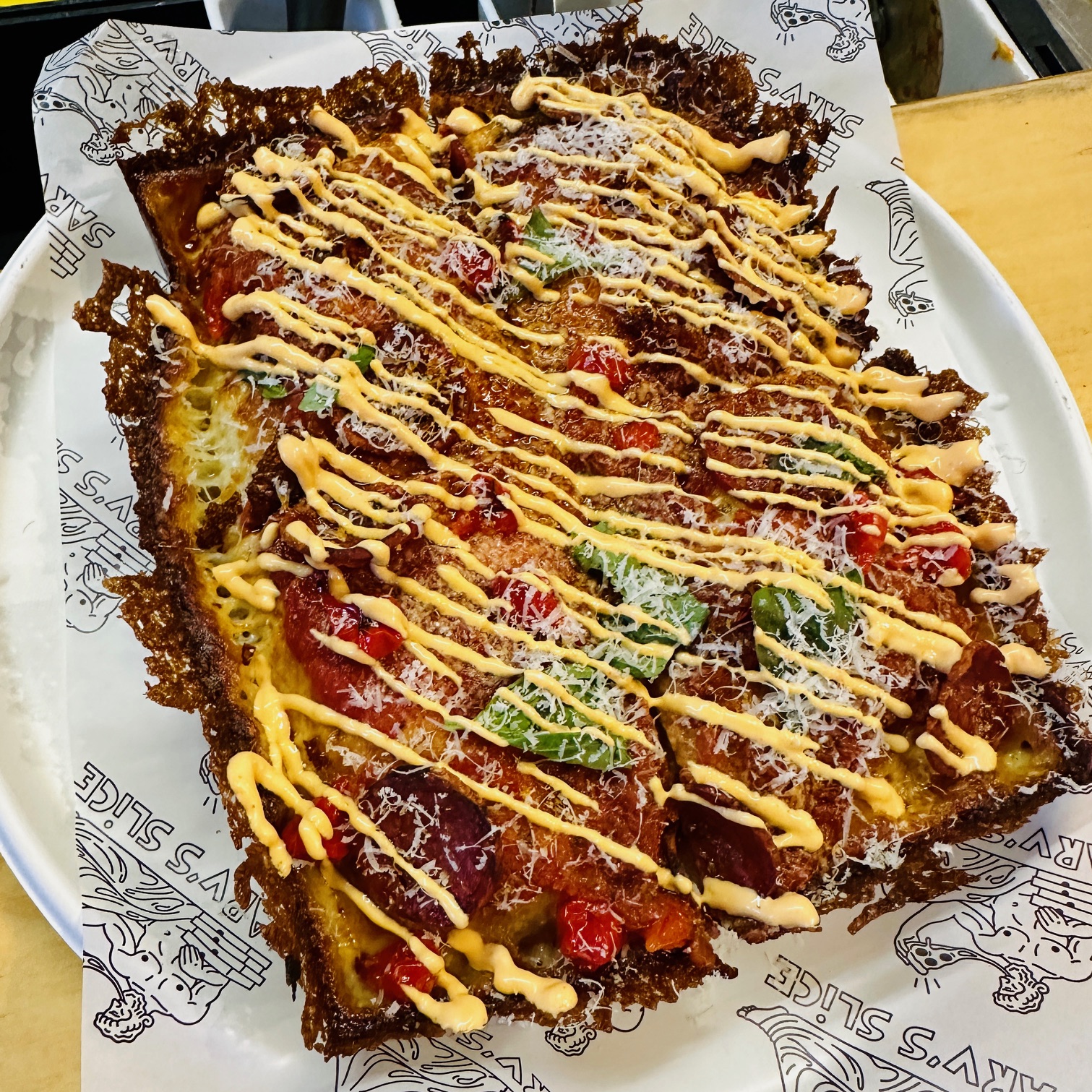
Spring and summer brought another spate of closures, although fewer than you might have expected. In May Sarv’s Slice quit the Biscuit Factory in a blaze of acrimony, making all sorts of allegations about the management interfering with their equipment. Apart from a few pop-ups at Double-Barrelled and the Nag’s Head, Reading has not seen them again, and probably won’t as they concentrate on their new base in Ealing: their reputation was also enhanced by an appearance on Saturday morning TV.
This is of course an enormous shame, but as we will see, Sarv may have made a very smart decision to get out of town just as a wave of new pizza challengers hit the town centre. But they will be missed, not only for their excellent Neapolitan pizzas but for the Detroit style pies; nobody in Reading has even tried to emulate those.
I’ve no idea what’s going on at the Biscuit Factory, which seems to be limping on amid constant speculation that it will close, but at some point this year we also lost Compound Coffee from its ground floor, a terrible shame as it did probably the best coffee that end of town. Also in West Reading, we said goodbye to Romanian restaurant Vampire’s Den at some point around May or June; I never ate there, so I can’t tell you whether their name was the biggest of their problems.
And also in June, a rather sad development: The Cellar, the restaurant which rose from the ashes of Valpy Street (and appeared to have the same owner and most of the same staff) stopped trading. At the time I thought this was a terrible shame but now, at the end of the year, I’m rather more suspicious of businesses that quit under one name and reopen under another, for reasons which will become clear before too long.
As autumn turned to winter, we got a closure which might represent some kind of record. Peppito, the new pizza restaurant on the first floor of John Sykes’s development (the one that used to be called King’s Walk) closed in October. Nothing surprising about that, you might think – John Sykes’ tenants don’t have the best survival rate – but it is noteworthy because Peppito only opened at the end of May. A cryptic message on Instagram said that the restaurant would be “pausing operations for a while” because of “circumstances”.
Your guess is as good as mine, but the one time I walked past Peppito it appeared to only have one table, which made it almost completely reliant on delivery apps. Given Sykes’ insatiable desire for rent, I’m not sure bunging a couple of pizzas to Readings resident influencers was ever going to overcome the site’s inherent shortcomings. “This isn’t goodbye – it’s a reset” said the Instagram post: okay, sure.
That brings us to the end of the year, and a few significant events. First of all Pappadams, which was taken over around March, completely rebranded and so ceased to be. That might be for the best, as I’ve heard reports from people who went there under the new management and said it wasn’t the restaurant it used to be, and not in a good way either.
Another sad announcement came from Whitley, where Dough Bros announced that they would be serving their last pizzas on the 20th of December. Happily, a buyer has been found for that business so it will reopen under the same name in the New Year, and it’s looking to add smash burgers to its repertoire. Let’s hope the new owners are worthy custodians of its reputation.
It’s common for restaurants to announce their closure early in the New Year, but this year Bierhaus wasn’t fucking about. They filled their last steins on the Sunday before Christmas, bringing to an end a nine year spell on Queens Walk. There has been speculation about whether they will crop up elsewhere, and whether vacating the site has anything to do with the wider redevelopment of the Broad Street Mall: in any event this leaves that stretch looking even more desolate than usual, with Sushimania at one end and ThaiGrr! at the other.
Then we had the weirdest event of all: three days before Christmas, Phantom Brewery made an announcement that it was closing its sites in Reading and Henley and suspending brewing for the foreseeable future while it moved to a new location. It added, ominously, that it would “undergo a period of restructuring to ensure the appropriate foundations are in place for the next phase”.
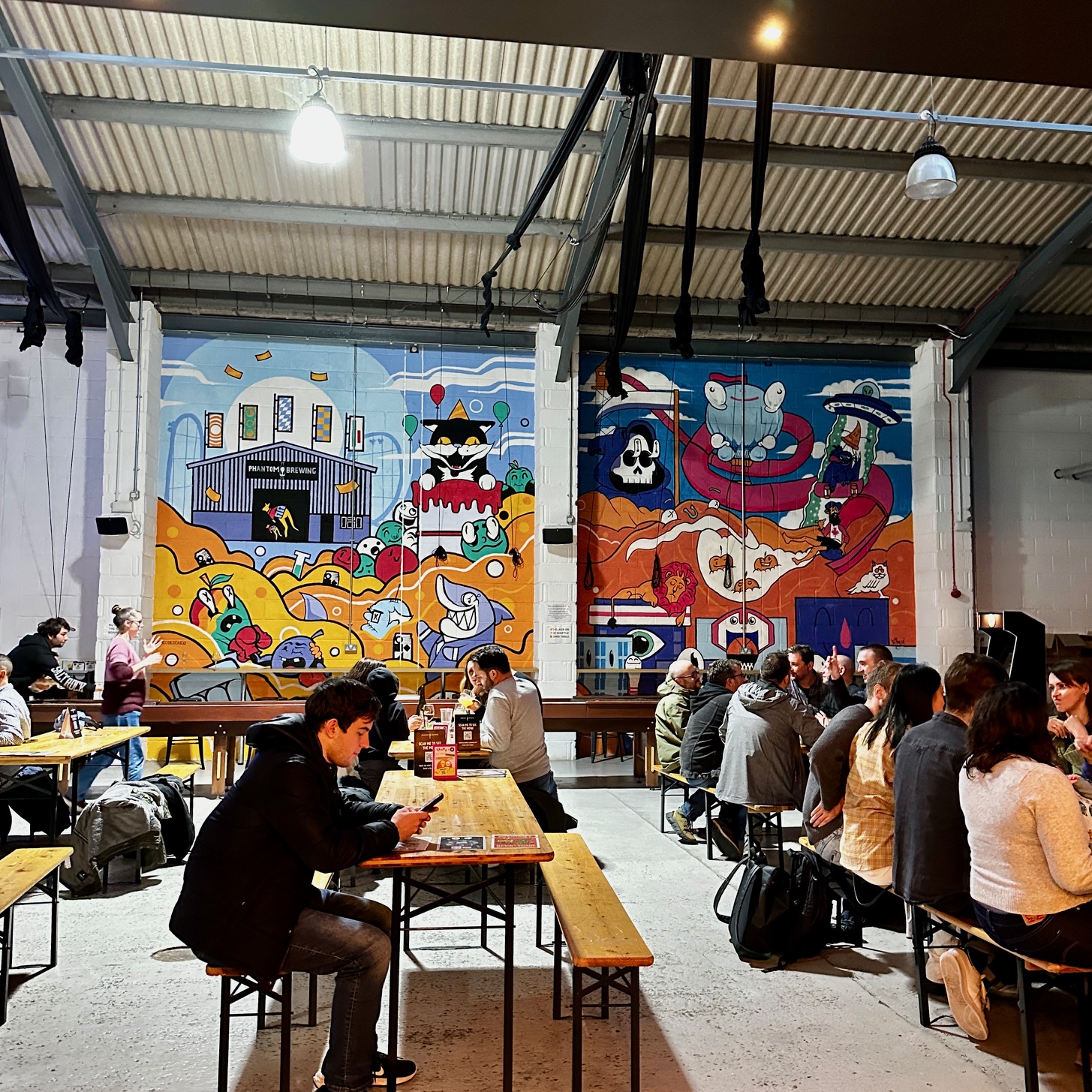
The announcement provoked a lot of discussion locally, with suggestions from one employee that they had not been aware of this, and some claims from suppliers that they hadn’t been able to get hold of the brewery for some time. It also appeared that one of Phantom’s partners in particular, 7Bone, had not been aware until they read the announcement that they wouldn’t be cooking at the tap room that week.
Since then Phantom has appointed liquidators, and it looks like long and complicated discussions lie ahead. Staff at the brewery have contacted me to assure me that all employees were fully paid for their work up to the point of closure, and intimated that there is a lot more to this situation than meets the eye: as a result I have amended the text I initially put in this round-up, and will be more circumspect in future. Fingers crossed that all affected suppliers are reimbursed as much as possible as soon as possible.
You would hope that that would be the final closure of 2025, but would you believe that there was time for just one more? Hard to credit, but it’s true: just after Christmas, the Blagrave Arms announced that its New Year’s Eve drinks would be its last. Now, that might not come as such a surprise to those of you who, like me, occasionally look at the business section of Rightmove, where the pub had been listed for sale for some time. The Hop Leaf on Southampton Street is on there too, if you have £420,000 to spare.
Rightmove also gives you an idea of what to expect in 2026. Sweeney & Todd is still for sale, although that hardly classes as news because the owners have been trying to offload it for a very long time. But there’s also a listing for a restaurant in Caversham which requires you to sign an NDA for its identity but is clearly, from the details in the listing, Papa Gee.
Similarly, there is a day café for sale in south Reading. And by all means sign the NDA to get details if you know literally nothing about Reading, but otherwise it’s clear from the specifics in the publicly available brochure – especially its layout and limited opening hours – that it can only be one specific establishment on Kennet Island. Will my 2026 roundup confirm that either of these businesses has closed or changed hands? Place your bets.
* * * * *
What a bummer! Let’s move on to happier news, and the glut of new hospitality businesses opening in Reading this year. I may not have captured all of them, but I do think this is most of them. And apologies in advance – it’s a lot.
January saw a number of places open in Reading. There was Paesinos, in the vanguard of the Italian invasion, which opened on King Street. Gurt Wings announced the start of a year long residency at Blue Collar Corner which was, to my mind at least, marred by consistency and staffing issues. It draws to an end on New Year’s Eve, so we will have to rely on pop-ups for our Gurt fix in 2026. The Lyndhurst re-re-opened, if that’s a thing, and have remained under the same management for a whole year, lending some badly needed continuity.
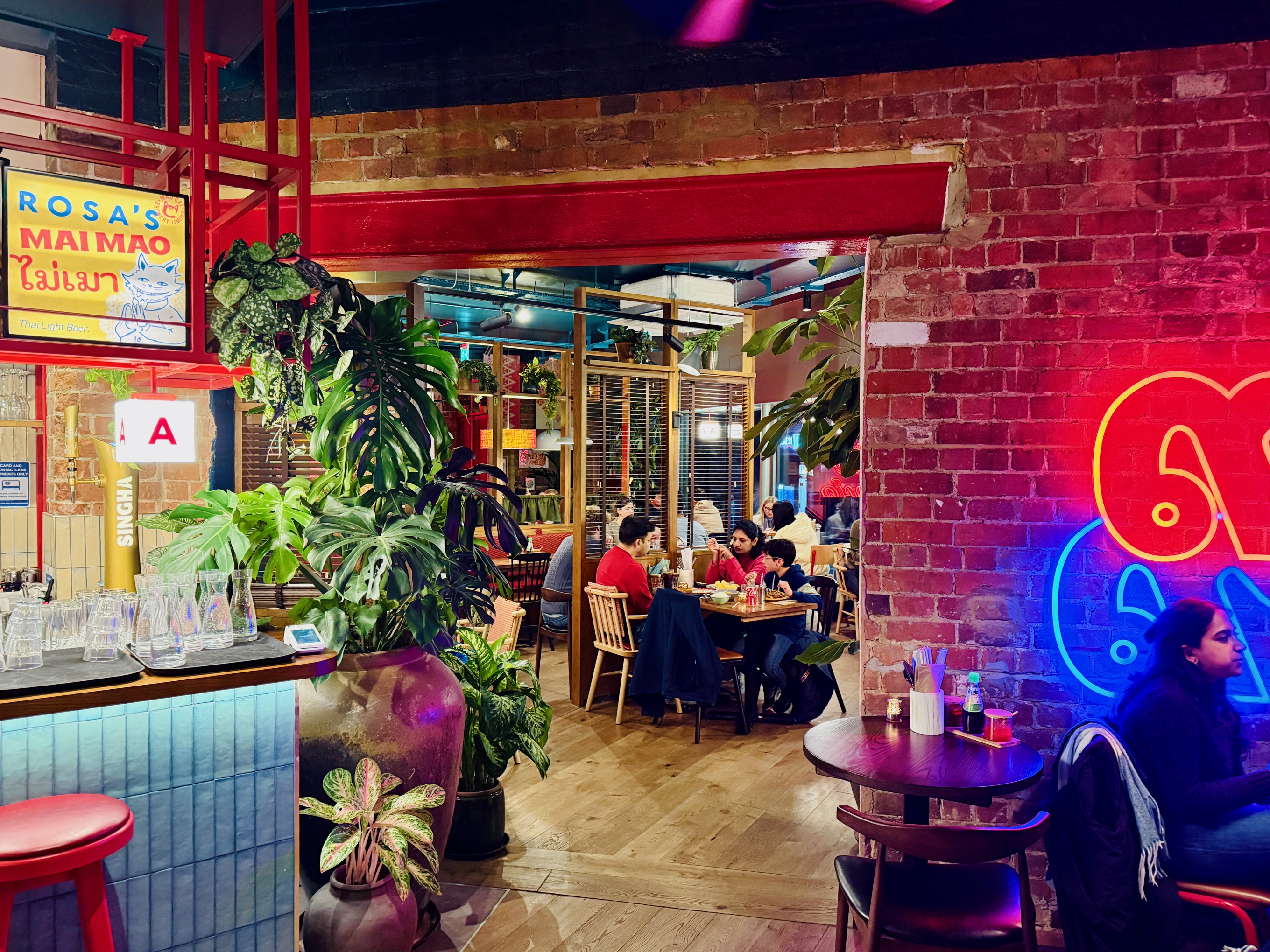
And finally, of course, we got our first big name opening of the year when Rosa’s Thai took on their spot on the ground floor of the iconic Jackson’s Corner building. The fit out, by Quadrant Design, is very fetching indeed and every time I walk past it I’m glad it’s open, glad that it’s brought life to that corner of town, and pleased that people are inside having a good time. I am, in truth, equally pleased that I don’t have to eat there again.
In February the Burger Society announced that they were also taking on a residency at Blue Collar Corner: great news for fans of burgers, fried chicken and so on but maybe less good news for vegetarians, who would’ve found Blue Collar Corner slightly lacking in options. There was a slight impression that the market was struggling to attract traders, because the third spot was often taken by another street food business run by the Burger Society. It will be interesting to see what next year’s shake-up brings.
February also brought us the second of Reading’s four – count them, four – Italian restaurants in the town centre this year. Zi Tore, in the Grumpy Goat’s old home on Smelly Alley, opened daytimes only selling pizza, gnocchi and Italian baked goods. I’m yet to review it, because it turns out that they close earlier than advertised, but I’ll do my best to get there next year.
Because that wasn’t enough pizza for the RG1 postcode, in April we got Amò, literally a couple of doors down from Paesinos. Amò is a collaboration between the owners of Madoo and Earley-based Pulcinella Focaccia, and has more space than Paesinos with a very different menu and a different focus during the day. I liked both but, as we shall see, they didn’t necessarily like me back.
April also heralded the arrival of Dolphin’s in the town centre where 7Bone used to be, and rather interestingly Food Stasian in Woodley precinct, a no-frills restaurant in the old Adda Hut site offering, by the looks of it, a combination of Vietnamese and Hong Kong dishes. The arrival of restaurants to serve the Hongkonger community would be another trend this year, although most of the activity there was towards the end of 2025.
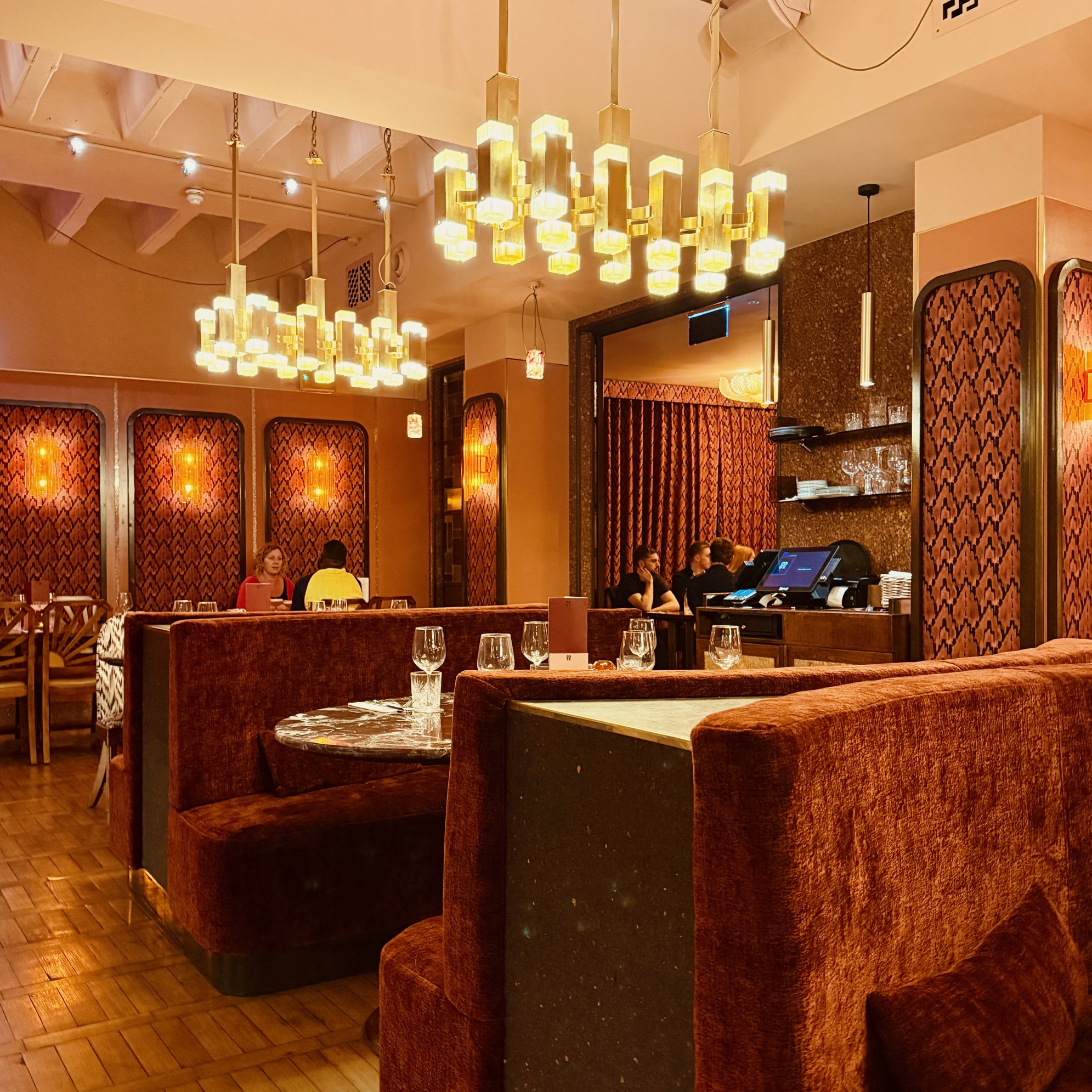
The final Italian restaurant to try its luck in the town centre this year opened in May. That was Peppito, and we’ve already talked about their record breaking reign. But May was also the month that we got our second significant opening of the year, with the arrival of Cosy Club at the edge of the Oracle, where Lakeland used to live. Cosy Club also leaned heavily on influencers, or content creators, or whatever else you want to call them: I went, spent my own money, and rather wished I hadn’t.
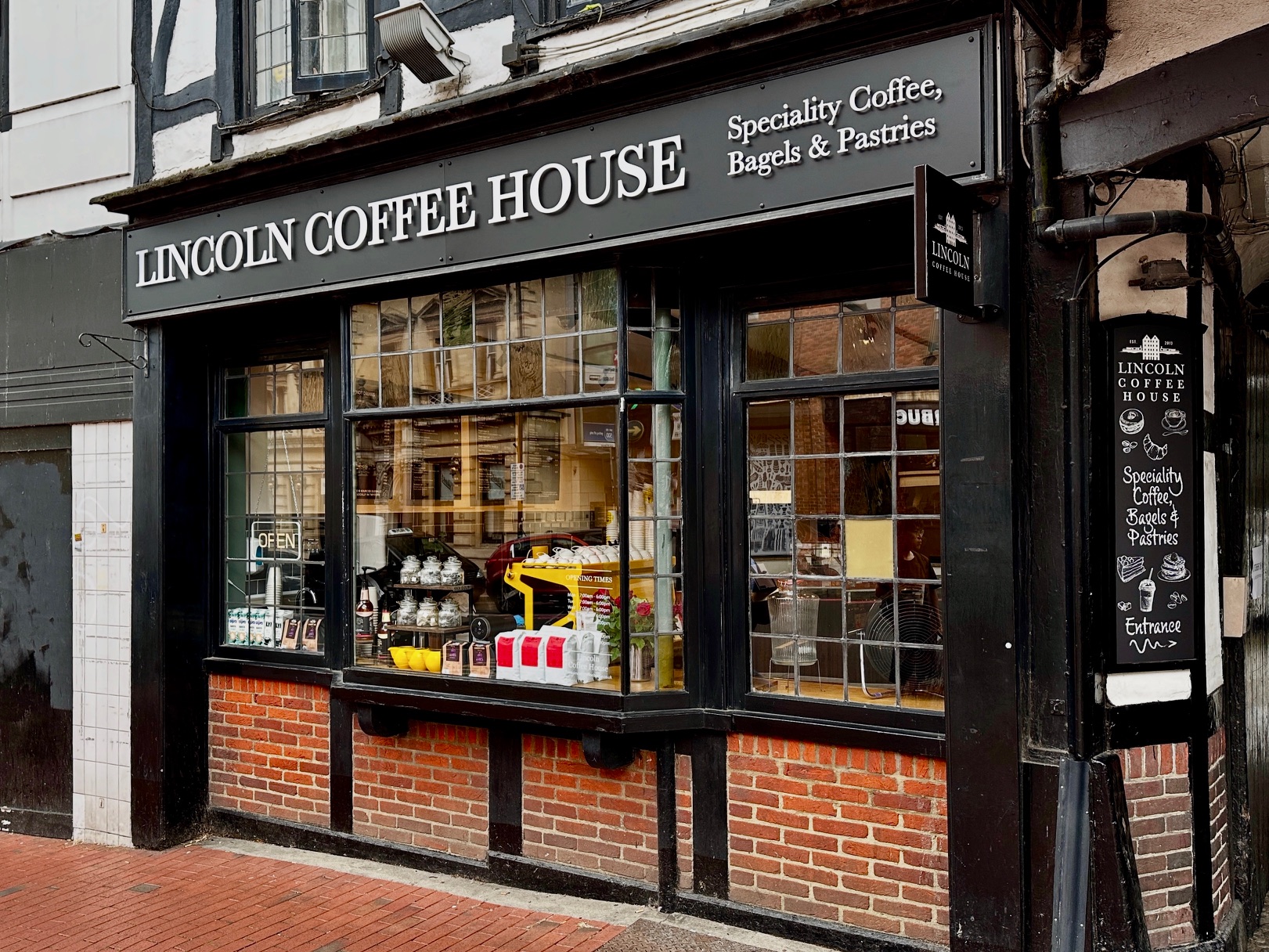
Things didn’t let up over the summer, and an awful lot of places opened in that time. July brought Club India out in Winnersh, potentially the most exciting thing to happen to Winnersh since it got name checked in that episode of The Office. Café Yolk opened their second site, colloquially known as Baby Yolk, with more emphasis on grab and go, and, at long last, Lincoln Coffee finally opened its second site in the old Workhouse Coffee building on King Street. The makeover they’ve done, which I imagine took ages and cost a lot, is fantastic. And the influencers just love the food, which they did not pay for.
The same day that Lincoln Coffee opened, it was all going on around St Mary’s Butts. The old County Deli site, where Kate Winslet used to work pre-Titanic, opened as Pho 86, a third Vietnamese restaurant in town. It had a slightly ropey hygiene rating from the council at first, but a subsequent inspection in October has largely sorted that out. Also that very day, possibly the single busiest day in Reading’s restaurant history since the opening of the Oracle, Thai restaurant Nua took over where Bluegrass used to be.
Station Hill also welcomed its first new business at the end of July, when Notes opened its first branch outside London; I was very excited about this one, which meant the disappointment when I ate there was even greater. We should see Italian wine bar Angelo’s (from the people behind Wokingham’s Ruchetta, which has now rebranded as Angelo’s) and Japanese restaurant Kawaii, from the owners of Coconut and Osaka, open next year. I do wonder if the spate of bars and cafés on Station Hill is largely connected to the lack of extraction at that site: it’s a pity there are so few proper restaurants there.
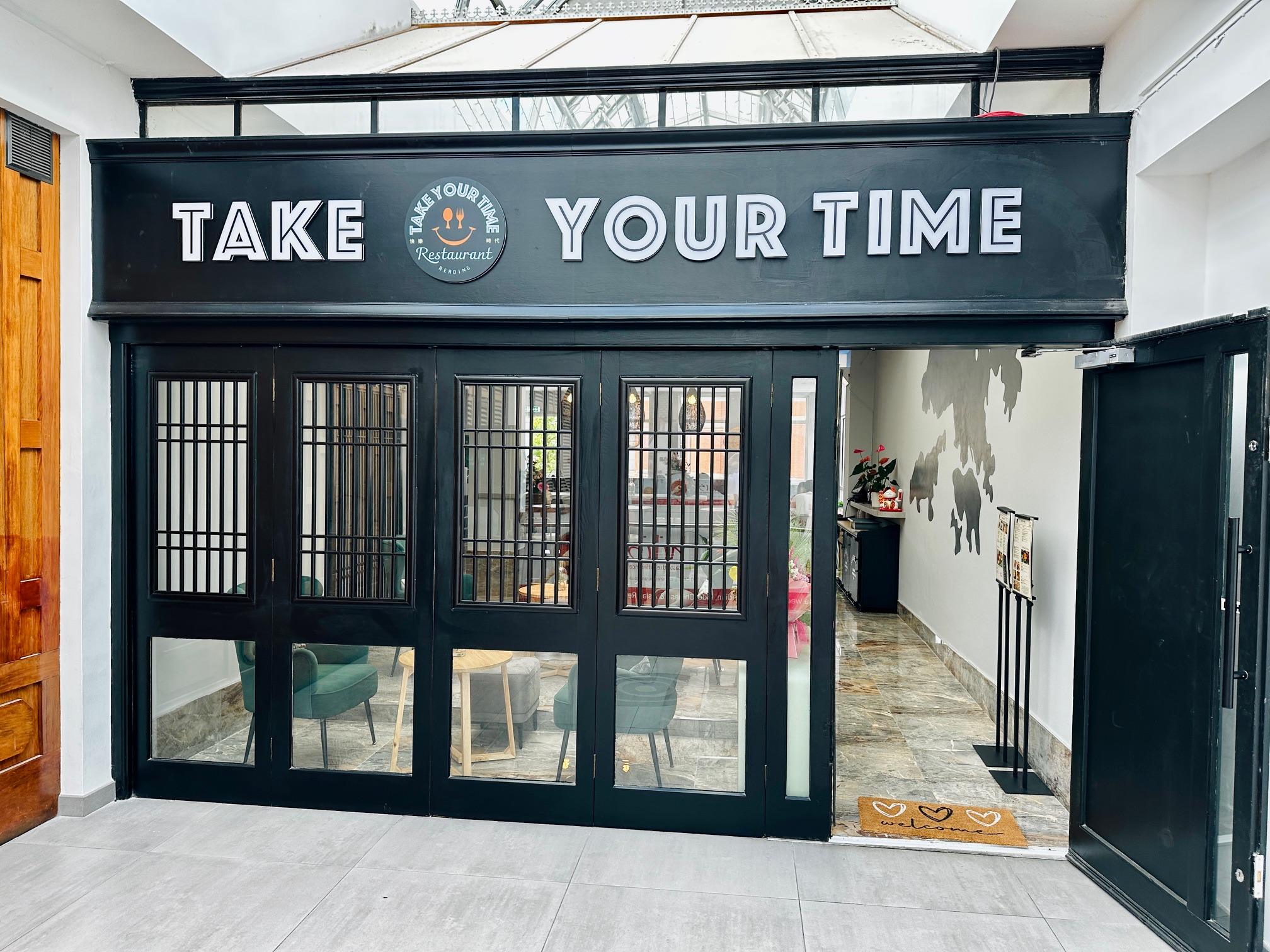
Hong Kong restaurant Take Your Time opened in August, taking over one of Reading’s most mothballed sites, the former home of Dolce Vita. Those are big shoes to fill, and with Reading’s most noted philanthropist John Sykes as your landlord there is no doubt also a big rent to pay. Best of luck to them with that: their menu is best described as iconoclastic.
August also brought two of the most interesting and surprising establishments I reviewed all year, namely Stop & Taste out in Emmer Green, where an ex-private chef cooked whatever he damn well pleased in a place that looked from the outside like a bog-standard chicken shop, and Mac’s Deli in Theale. The latter was the effortless second album from Mac Dsouza, the owner of Filter Coffee House, an outstanding day café selling brilliant sandwiches made from top-notch ingredients, showcasing Dsouza’s very own Japanese milk bread.
As so often, most of the interesting things in Reading’s food scene happened absolutely nowhere near the town centre. Why could that be, I wonder?
We’re on the home straight now, as autumn came to an end and winter began to bite. Indian restaurant Bagaara opened on the Shinfield Road in September, where Firezza used to be. October gave us Blip, a smash burger place in Tilehurst from the owners of The Switch and Zyka. The look and branding were a clear homage to bigger burger restaurants in London, and they won a slightly dubious award barely a month after opening, but the burgers might well be good. I’ll find out in the New Year.
In November, 1650 Coffee – no extractor fan required – also opened on Station Hill. The provenance of it is unclear: I’ve heard separately that it’s from the team behind Café Yolk and that it’s owned by one of the original founders of Yolk. Either way, you do have to be slightly impressed that the majority of units on Station Hill are being taken by independent businesses with some link to Reading.
Quite the contrast to that is Smoke & Pepper, which is part of a biggish chain and opened on the Butter Market in the place of Munchees. The best way to describe the food they do is to say that it’s a restaurant for influencers and teenagers: smash burgers, loaded fries, chicken tenders and so on. Basically if you don’t need cutlery to eat it, they sell it.
And it might be fantastic, and at some point I’m sure I will find out, but the opening of another restaurant with the same kind of menu as Mr. T on the edge of the Broad Street Mall, accompanied by gushing about how it hits different, or slays, or slaps, or whatever the fuck passes for English in those Instagram videos really doesn’t make me yearn to pay it a visit. Sorry-not-sorry about that.
One of the happiest events of Reading’s food year happened at the very start of December. After giving up her office job to re-enter the world of hospitality, and after a trial run in a couple of locations in Reading, Naomi Lowe re-launched the Nibsy’s brand with Beryl, her deeply fetching cream-coloured trailer, berthed permanently outside Reading station, offering gluten-free sweet and savoury treats and excellent coffee on the go.
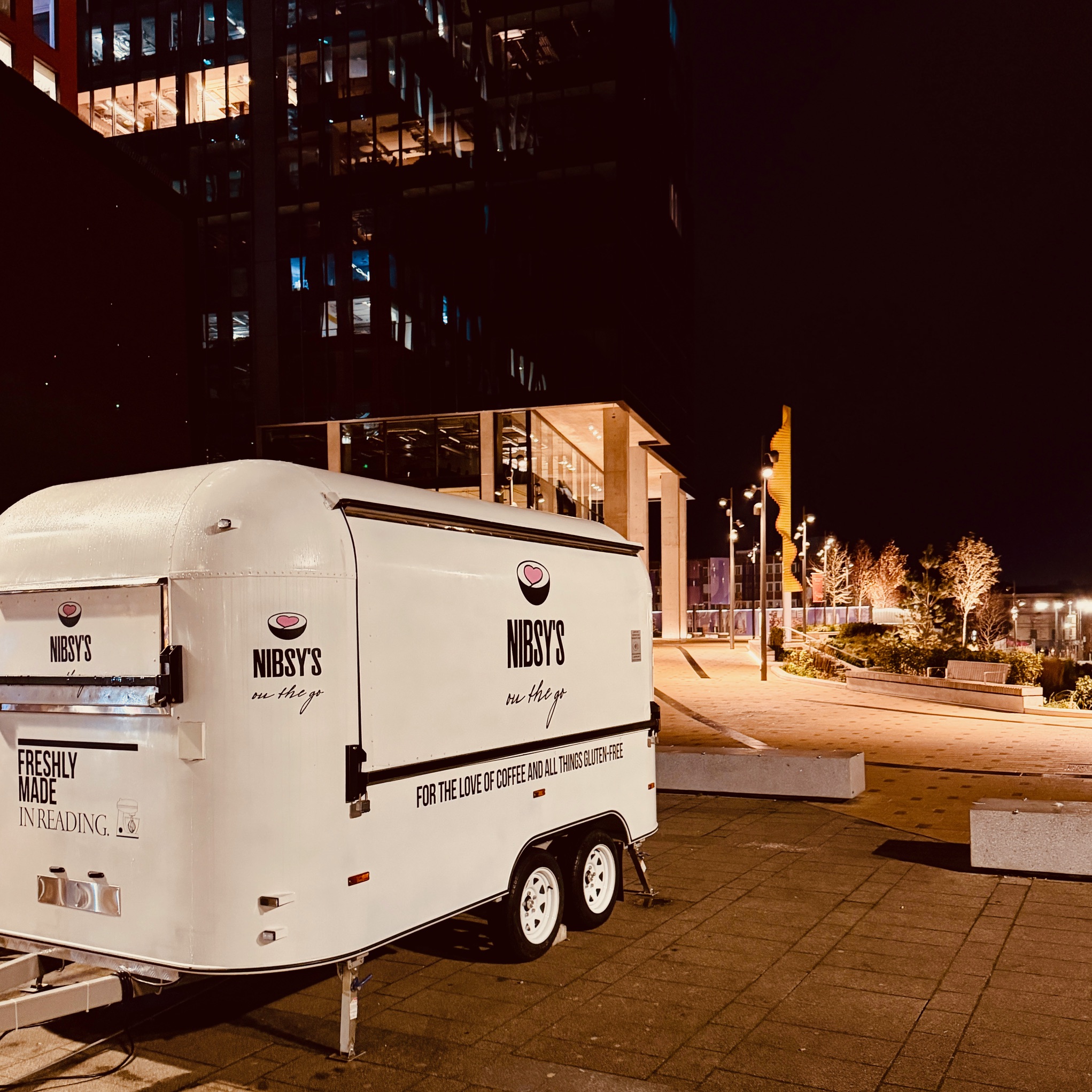
This is really welcome news, whether you need to eat gluten-free or not, if only because the coffee alternatives near the station are Prêt, Costa and Notes, none of which are any great shakes. But it’s also lovely to see one of Reading hospitality’s great innovators return to the business, after far too long away.
December also saw Pappadams close and rebrand as Anjappar – still south Indian, but part of a much bigger chain of what I presume are franchises. It also brought queues around the block when Hong Kong restaurant Me Kong opened at the back of the Blade. Along with Take Your Time, it again showed a subtle shift in the kind of restaurants opening in Reading, along with a hint about the communities they might serve.
You would think that was the last of it, but actually that prize goes to Matteo Greek Food & Bakery which opened where O Português used to be, right next to Palmer Park, on the 20th December. Details about it are sketchy, but the owner appears to be Albanian which puts it in the company of restaurants like Quattro and Spitiko. It could be an interesting one to watch next year.
Next year will also bring a new business where The Cellar used to be, called The Nook. Again, there’s not much information online yet (try googling “the nook Reading” and you just get loads of wholesome stuff about nice places to leaf through a paperback with a hot cuppa) but it sounds like it will be a coffee kiosk upstairs and God knows what downstairs. Time will tell, as it always does.
* * * * *
So what have the main trends of 2025 been? Well, you can probably discern the obvious ones from what I’ve just written: a lot of pizza restaurants, relatively few big names chancing a town centre opening and, perhaps more of a curveball, a recent influx of restaurants aiming to cater for the Hong Kong community in Reading. But more widely, there are a couple of other trends that I’ve noticed as a restaurant reviewer.
The first is an increase in the number of influencers or content creators. To some extent, that’s possibly the biggest sign in everybody’s minds that the pandemic is very much ancient history. Back then, some influencers expressed concern about taking free food when the industry was in so much trouble. Despite the climate remaining challenging those concerns seem to have dissipated, so we see a lot more content on Instagram – some paid, some unpaid, some unpaid and declared, some unpaid and undeclared – not just in London, where this stuff makes the national news, but here in Reading.
Perhaps more surprisingly, there is an increasing willingness for brands to engage with those accounts. That Rosa’s Thai or Cosy Club would authorise the people handling their PR to dish out free meals isn’t a surprise. But to see smaller independent businesses – the likes of Amò, Blue Collar Corner or Fidget & Bob – doing likewise suggests that, like it or not, this form of coverage is now normalised. Businesses are making a calculation that this brings in more money than it costs, and whether the free food is declared or not (and in fairness it sometimes is) any concerns about credibility are not that business’ problem.
The other trend that I’ve definitely seen is an increasing – how best to put this? – prickliness from businesses about reviews. Maybe that is tied to businesses increasingly paying for coverage which they know will be positive, and maybe it’s not. Earlier in the month the Observer published an article querying whether the “vicious restaurant review” was on its way out. I don’t know about that: on the rare occasions when I do publish a review with a very low rating the page hits very much suggest that people still enjoy reading them.
But I will say that businesses are definitely engaging with those reviews in a very different way. You may recall that I reviewed Vino Vita earlier in the year. You might also recall that I thought the food was atrocious – rating 4.6 – and the whole experience something of a bin fire. What you may not know is the significant backlash I received as a result of publishing that review.
So Vino Vita’s Head Of Sales – still a real job, apparently – took to Instagram to post what she believed was a photo of me, describing me as a xenophobic narcissist and urging all hospitality businesses, especially Italian ones, to refuse to allow me on the premises. I also got some fan mail from a supporter of Vino Vita calling out my “lack of support for Reading’s businesses”. What else to expect from a man who only appreciates fish and chips, she asked?
“I’ll make sure your face is known to every business you plan to visit in Reading – persona non grata” she signed off. Well isn’t that nice? At the time of writing, this boycott has so far failed to materialise: perhaps it will feature in a lot of restaurateurs’ New Year’s resolutions.
But what was really odd this year was that this kind of sensitivity was not limited to negative reviews. Even positive reviews received dissatisfied responses from the restaurants in question, as if you weren’t positive in the right way. For instance, I gave Paesinos – a restaurant I loved – a rating of 8.6, the highest I’d given out in the centre of Reading at the time. They blocked me on Instagram after reading a quote out of context about one item on their menu (to be fair, they subsequently read the whole review and relented).
Later in the year I reviewed Amò, which I also loved and also rated as 8.6. I then got an angry message on Instagram from one of the owners complaining that I’d spent the whole of my review talking about Paesinos, despite the fact that I had mainly been saying that it was almost impossible to choose between them and that they were both excellent. “You used my restaurant as a way to promote Paesinos” he said, rather epically missing the point.
The main lesson I’ve taken from all this is that maybe it’s best not to review Italian restaurants at all, or if I do not to give them a rating of 4.6 or 8.6. Perhaps I should just say that they’re all quite nice and give them 6.6, or just not bother. But even where a review is positive, I’ve had at least one occasion where the restaurateur thought it just wasn’t positive enough.
I reviewed one restaurant where I described a dish as ‘too well-behaved’. The restaurateur in question was so rattled by this that he wrote a whole blog post in which he said “what the fuck does that even mean?”, conveniently overlooking the fact that I’d explained exactly what it meant in that very paragraph. That was just part of a whole think piece that urged people to stop analysing food and just enjoy themselves: which is fine if you’re a punter, but is essentially arguing that people shouldn’t review restaurants at all (the blog in question, you might be surprised to hear, also reviews restaurants).
So it’s almost as if people in this climate, or people who run restaurants at least, want fewer people to review restaurants in general and for us to just accept bland uncritical gushing on TikTok or Instagram: nearly all the restaurants I’ve just mentioned gave free food to influencers in 2025. If you don’t like your food in a restaurant go home and cook for yourself, that think piece concluded. For me, this attitude is as good a reason as any for me to keep at it.
But it would be rank hypocrisy of me not to acknowledge at this point that I’m just as bad when it comes to taking pot shots at other people expressing their opinions of what they’ve eaten.
I do have enough self-awareness to realise this, and it’s something I will be changing next year. So this is the last time you’ll hear me take a swipe at slack-jawed gormless influencers, with their toddler palates and mindless waggling fingers, smashing junk food into their gaping mouths and describing things as “sick” or “insane”, words only simpletons bandy about.
It’s the last time I will criticise a restaurant blogger who constantly takes pot shots at those influencers on his social media, but was tacky enough to take a PR invite – food and accommodation, no less – for the first night of his actual honeymoon. And it’s the last time I will mock the unchecked privilege of a blogger who has claimed to cover the events in her city all year, while concealing the fact that she’s been on a hugely entitled gap year for practically all of 2025 and is probably writing that copy from a hammock in Ecuador.
Let them, as Mel Robbins likes to say. Grifters gonna grift. But it’s time to stop tilting at windmills because those battles are all over: I need to stop picking fights, stay in my lane and just do what I do, because that kind of competition is no competition at all. Don’t worry, I will still point out that the Chronicle is dogshit though, because some things don’t change.
* * * * *
I just don’t need to do those things any more. The blog has had an absolutely terrific year, with traffic up from 2024 which I genuinely thought was not possible. That’s despite some of my blog traffic being lost to email subscriptions, a by-product of the blog moving partially to a subscription model at the beginning of the year.
And I do have to say something about that. It felt like a huge leap into the unknown when I published that post in January, and I was fully prepared to be laughed out of my corner of the Internet. That it didn’t happen, and that so many of you were prepared to put your hands in your pockets and support quality independent writing means more to me than you can know.
I hope I’ve always made it clear that it wasn’t mandatory, and that much of the content on the blog would always be free to view, but I also hope those of you who have subscribed have felt that there was enough subscriber-only content to justify your support. I promise that it’s never, ever taken for granted.
That support has enabled me to do a number of things. First and foremost of course the blog is now ad-free, and will always remain so. That was literally the first thing I did. Secondly, it’s enabled me to widen the range of restaurants I review: I hope that I’ve got the balance right between Reading and outside Reading – although I plan to fine tune that in the New Year – but I certainly wouldn’t have reviewed Orwells for instance without the blog being on a subscription model.
It’s been nice, too, to hold back some reviews, like those of Rosa’s Thai, Cosy Club and Henley’s Three Tuns, for subscribers to read. Archive reviews of open Reading restaurants are also now subscriber only, and if you are a subscriber, I’d love to hear from you if you have any other ideas about the blog. The inaugural subscriber drinks over the summer was enormous fun too, and I do have to apologise that my accident has forced me to postpone the drinks planned for Christmas. We’ll just have to do spring drinks instead.
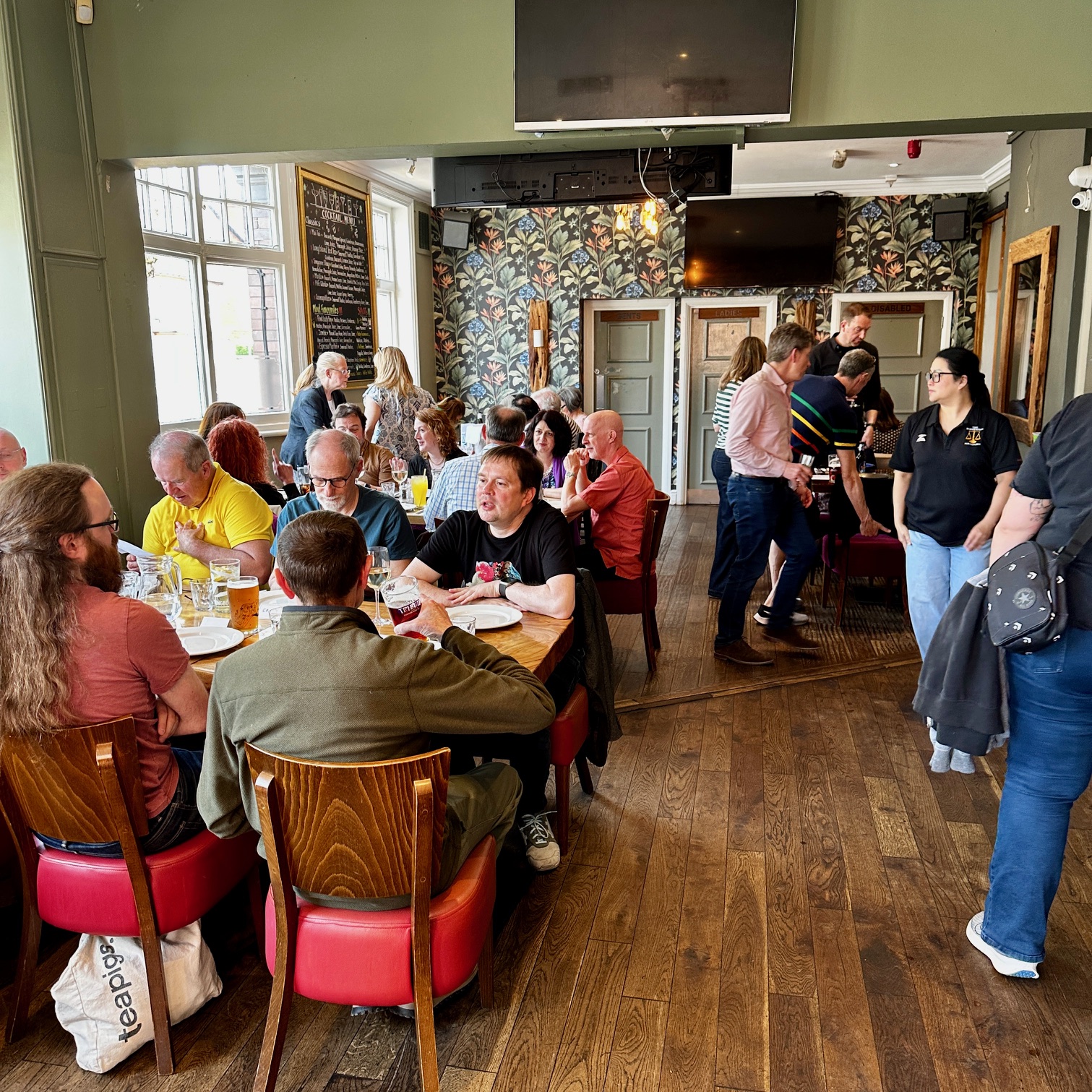
But it’s been such a terrific year in so many respects. Five readers’ lunches, including the first ever at The Moderation which was simply a magnificent meal from start to finish. Every bit as phenomenal was the event at Clay’s Kitchen in October where Nandana put together a fever dream of a menu, reinventing, elevating or restoring to classic roots the Anglo Indian dishes we all remember from countless Bangladeshi curry houses in the U.K.
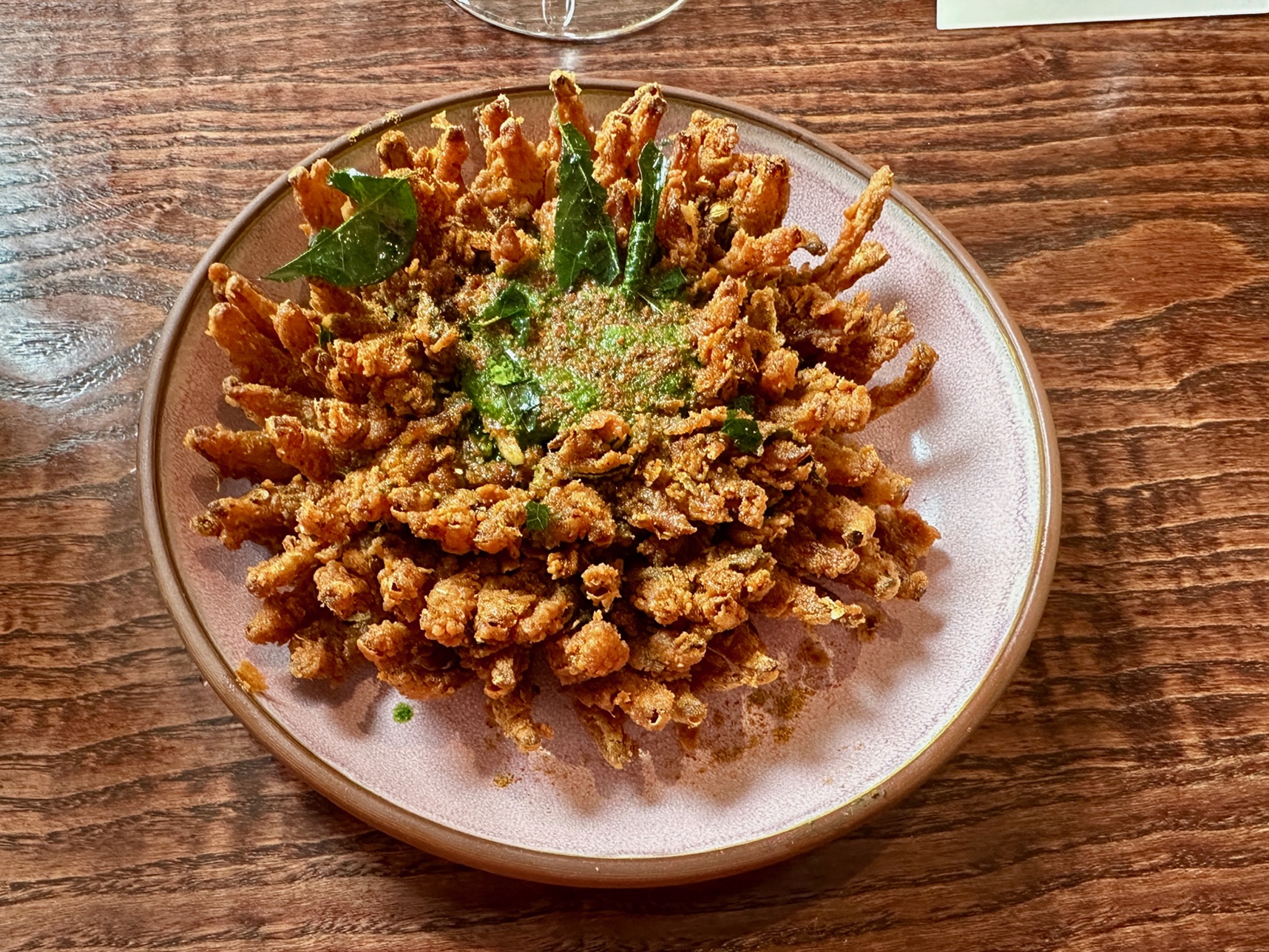
Nandana’s onion bloom pakora, miso glazed chicken tikka, her lamb keema pie and her pork vindaloo will stay with me long after I forgot many of the things I’ve eaten this year: of all of the meals I had in 2025, this one might have felt like the greatest privilege of all.
It’s also been a brilliant year for food. I’ll cover the best of it when I give out my awards imminently, but I’ve given out some of my highest ratings ever this year. I don’t think that’s rampaging grade inflation, it’s more a reflection that I’ve been to some outstanding restaurants. In London that’s been places like Paulette and The French House, in Bristol the spectacular RAGÙ. Closer to home Orwell’s and the Three Tuns have both knocked my socks off, almost equally but in completely different ways. That’s the beauty of restaurants.
I also think, though, that Reading’s restaurants have improved. After a very long barren period, which largely coincided with the pandemic and its aftermath, this year we got Club India, Stop & Taste, Mac’s Deli, Amò and Paesinos, and I made it to a revitalised Oishi. Any other year any of those restaurants might be the event of the year: how lucky we are that 2025 is the year when they all happened. There’s never been a better time to be in Italian in Reading, my friend Enza likes to say (and she isn’t even part of the vendetta against me, not as far as I’m aware).
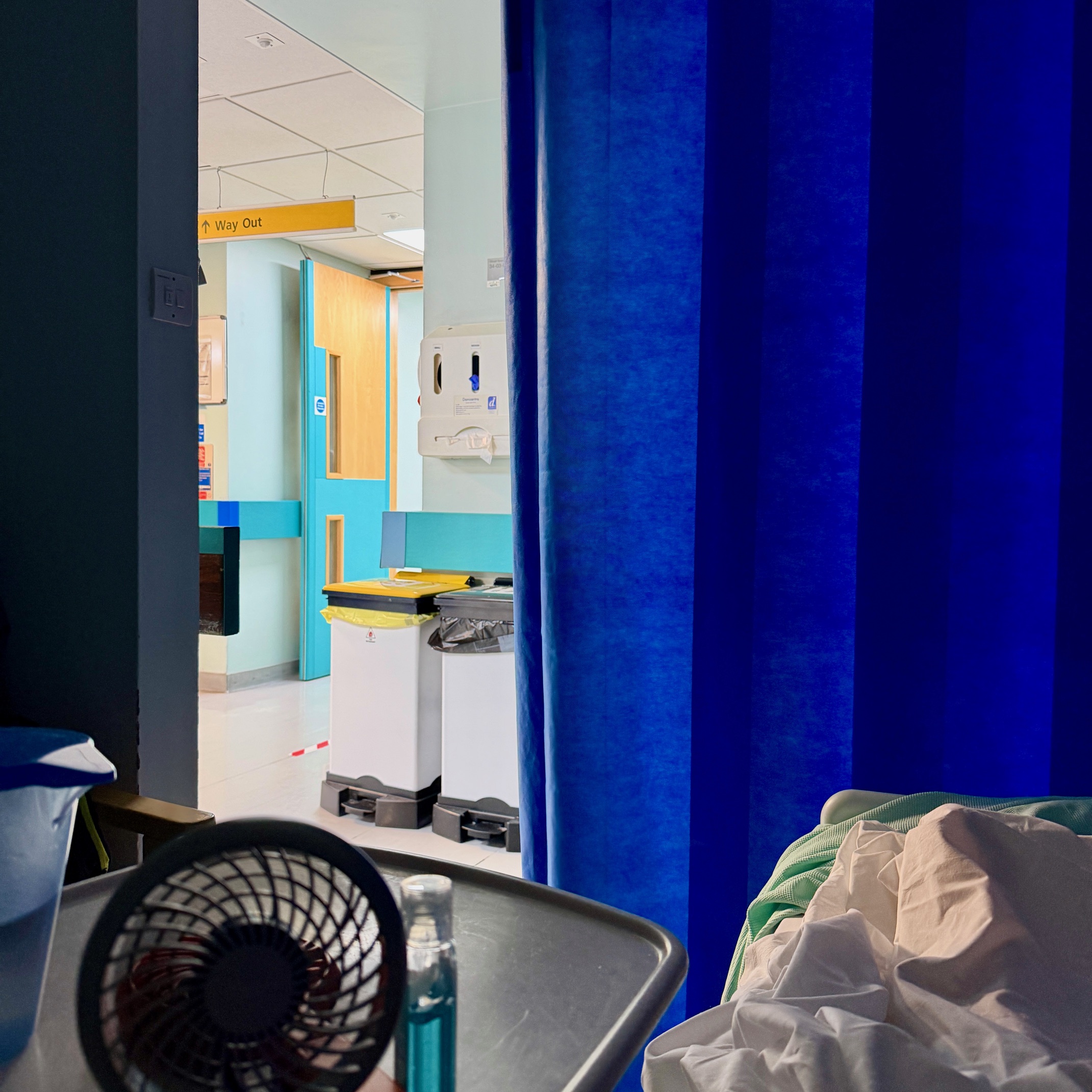
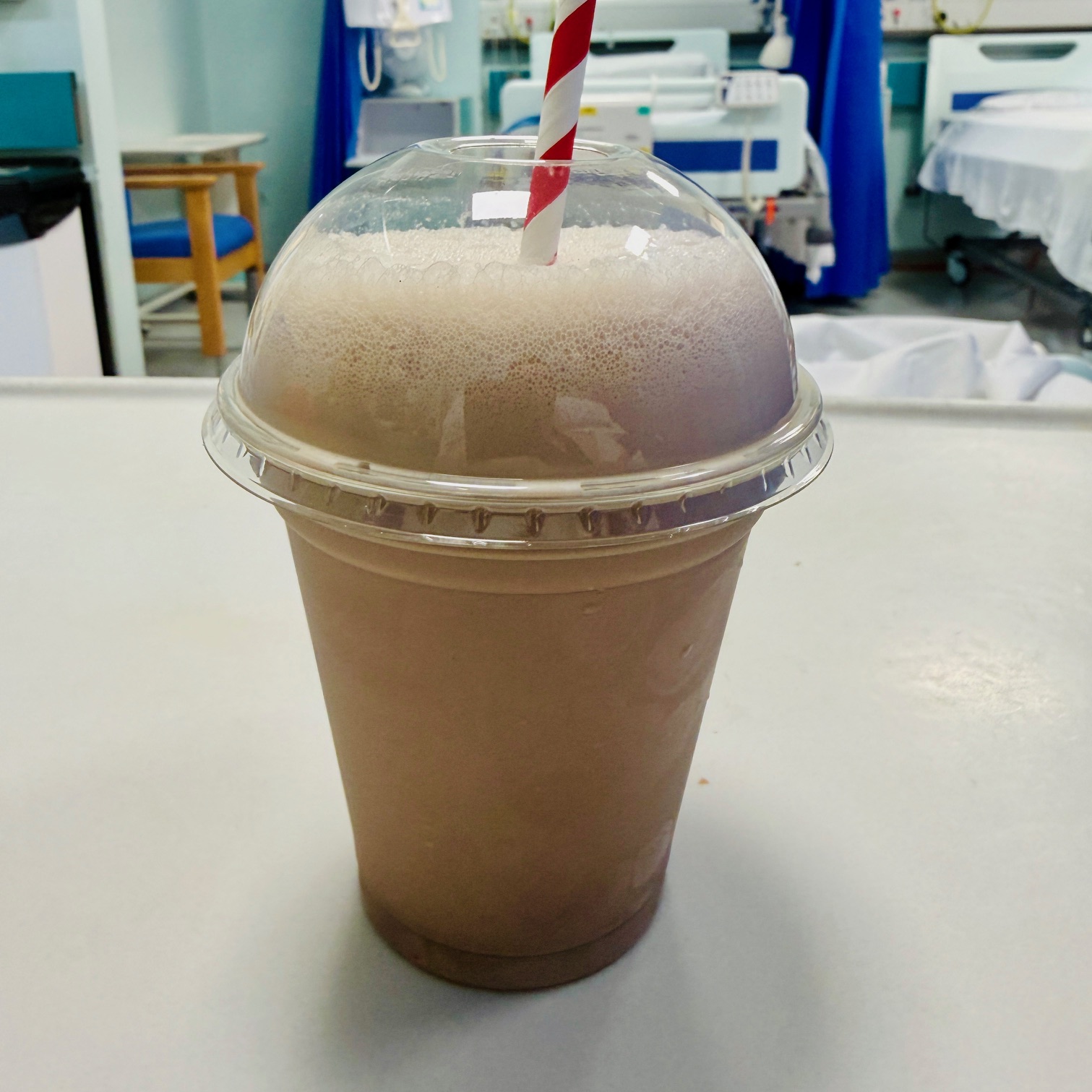
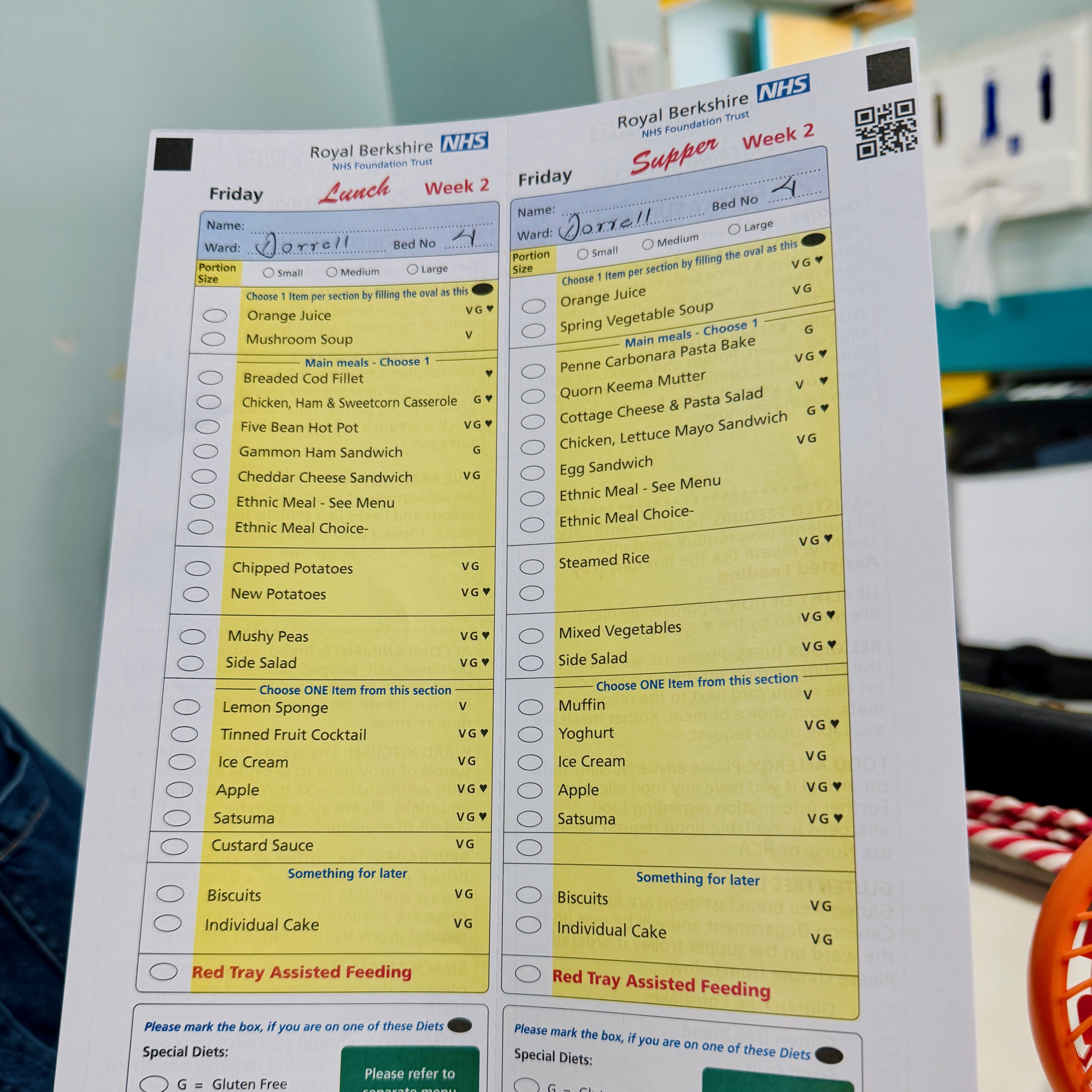
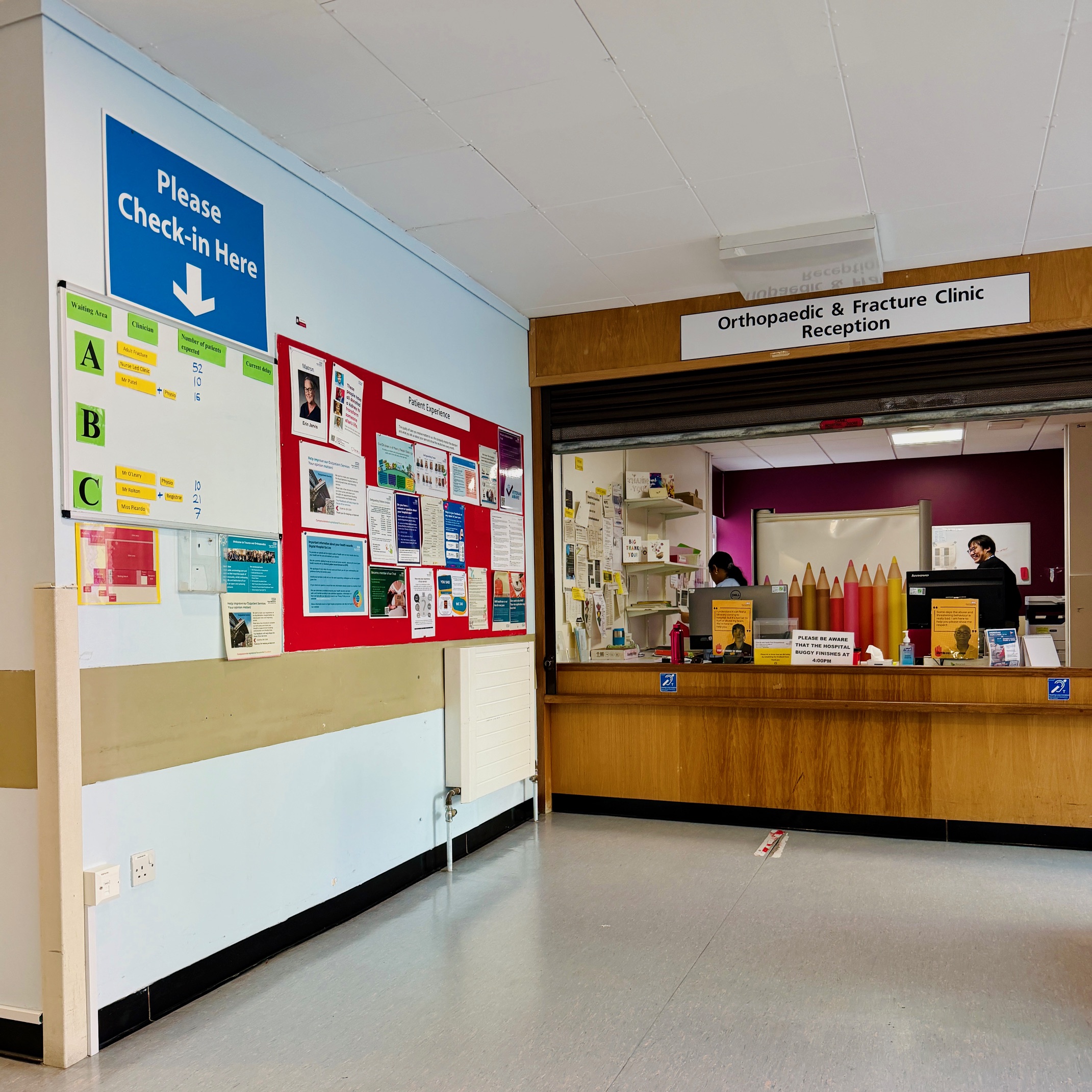
My year has ended in circumstances I could never have imagined at the beginning, with an accident, hospitalisation and an operation which has forced me to take the last month of the year very easy indeed. But even that has been an experience with plenty of beauty in it. I wrote about my time in the Royal Berks and the response from regular readers, newcomers, hospital staff and volunteers has been one of the most moving things I can remember in a very long time. But it also reminds me that food, and Reading, and this blog are all about connection.
So some of my favourite moments have been every time someone interacts with my content, to tell me I’m right, to tell me I’m wrong, to tell me they plan to check somewhere out or to tell me that they’ve checked somewhere out because of something I wrote. I’ve been sent photos by readers of them posing with the owners of restaurants I’ve recommended in a European city guide. I’ve had emails or WhatsApps or messages on Facebook with pictures of one of my favourite places to eat and drink, sometimes saying “look, I made it here!” and sometimes saying “guess where I am?” For the record, I usually guess correctly.
I’ve had messages from friends telling me that they are in some of my favourite cities – Granada more than once this year – and that they are eating or drinking in one of my beloved haunts. I’ve even had an email from an orthopaedic surgeon in Wagga Wagga, New South Wales, telling me that my city guides to Montpellier and Paris led to him eating and drinking brilliant things in both cities. He emailed me again this week to say how sorry he was to hear about my accident. Those are the things that make this so worth doing, and as I get to the end of another year of doing it – my thirteenth, unbelievably – it makes me very grateful that I’ve had this experience and excited to see what next year has in store.
So it just remains for me to thank you for every word you’ve read (sorry there are so many this week), every like, comment or share, even every time you’ve read a piece by me and said – to yourself, under your breath or out loud – that I don’t have a clue what I’m talking about, I appreciate it all. I hope you have a fantastic New Year’s Eve, however you are celebrating, and that 2026 brings you everything you could possibly hope for.
You will hear from me again early next year, because I have some awards to announce. Behave yourself until then.
Since January 2025, Edible Reading is partly supported by subscribers – click here if you want to read more about that, or click below to subscribe. By doing so you enable me to carry on doing what I do, and you also get access to subscriber only content. Whether you’re a subscriber or not, thanks for reading.





 Edible Reading